Saturday, 14 October 2017

How to Stop Overeating: 7 Natural Ways to Try Now

If you’ve ever reached for another serving of that lasagna even though you feel full (it tastes so good!) or reached for that second slice of cake, congratulations. You’ve overeating.
Sometimes it’s painfully obvious that we’re overeating, but other times you might not even realize it’s happening. So why are we overeating, and how to stop overeating once and for all? Let’s dig in.


A Nation of Overeaters?

If you’re an overeater, the reality is that in America, you’re far from alone. In fact, we’re a nation of overeaters. More than one-third of American adults are obese. Obesity-related health conditions, like type 2 diabetes, heart disease, stroke and some cancers, make up some of the leading causes of preventable death in the country. In 2008 alone, the annual medical cost of obesity in the U.S. was $147 billion.
And that’s just obese individuals. When you add in the amount of people who are overweight, the percentage of U.S adults shoots up to more than 70 percent.
There are a number of reasons Americans are overweight and obese. But one of the major reasons is simple: We’re eating more than ever before.


Main Causes of Overeating

The reasons so many U.S. adults are overweight or obese are varied. Too many grams of added sugar in our meals, processed foods and a lack of exercise all contribute to the epidemic. But overeating is also a major factor, and one that’s often overlooked. And while it seems pretty basic at face value — you’re eating too much food, duh — overeating causes can be a bit more complex at their core. What compels us to eat more than we mean to?

You’re responding to your habits and outside cues. If you normally settle down at 8 p.m. to catch up on your favorite TV programs and eat a few pieces of chocolate, you’ll likely find yourself reaching for chocolate even on those nights when you had a late dinner and aren’t hungry. You’ve created a habit that associates TV time with chocolate.
The same goes for external clues, like TV commercials or even just the availability of food (like snacks in the break room at work, for example). Because food used to be scarce, our bodies are designed to eat when we spot food.
And while we’re no longer foraging for food and stowing away calories for days when food isn’t readily available, our bodies haven’t changed much from those days. When we see food, our brains think, “Hey, there’s food there! Let’s eat.”

You’re eating foods that make you hungrier. Did you know that some foods are actually making you more hungry? If you’re eating foods with little to no nutritional value, particularly sugary foods, refined carbohydrates (like white bread and pasta) and artificial sweeteners, your blood sugar levels are likely to spike up, leaving you feeling hungry sooner.
Additionally, sugar activates the brain in a way unlike other foods, keeping it from feeling full.
You’re affected by one of these weird triggers. Just eaten but find yourself hungry again? Salty foods, certain medications and even air conditioning are hunger triggers that can be causing you to overeat.

You’re not eating enough regularly. The very American way of dieting — severely restricting calories until you’re starving, bingeing on whatever’s nearby, and then re-starting the diet all over again — plays a role in overeating causes.
When we restrict calories to a level under what’s needed to function optimally, our bodies think they’re starving. When we finally do eat, we’re more likely to stuff our faces, eating well past the point of satiety.

You’re stressed. You’re more likely to crave unhealthy, fatty foods when you’re stressed, especially if you’re female: women are more affected by stress eating than men. Interestingly (but not surprisingly), those people who are dieting, tend to increase their food consumption when stressed. But they’re not overeating carrot sticks; they opt for the same food they normally shun.

You’re hungry — but not for food. Similar to stress, when we’re dealing with difficult emotions, we often turn to food to soothe our feelings and help us escape. They don’t call it comfort food for nothing, after all.
You’re not paying attention to your food. If you’re scrolling through your newsfeed, watching TV or working at your desk while eating, it’s likely that you’re overeating. When you’re not practicing mindful eating, it’s easy to eat more than you intended in one sitting.
If you’re a snacker, you might also be eating more than you realize as you graze throughout the day. Even if they’re healthy snacks, if you’re not keeping track, you may be surprised to find that you’re eating well over what you thought.

You’re eating bigger portion sizes. This one isn’t entirely our own fault. But portion sizes began increasing in the 1970s and haven’t really stopped. It’s not just the usual culprits like fast food, either; restaurants are serving food on larger plates, muffins are getting bigger and those sugary coffee drinks are getting taller. With these bigger sizes comes overeating; as one study found, when portion sizes are increased, people eat more.


Overeating Treatment: 7 Natural Ways for How to Stop Overeating

You might have recognized yourself in some of the overeating causes. But how to stop overeating and reduce how much you’re chowing down? These natural overeating treatment options will help.

1. Eat nutrient-dense foods
Processed foods, refined carbohydrates, sugary drinks, artificial sweeteners — these are all food-like substances that add very little nutritional value. Eat them and you’ll find yourself hungry soon after.
Instead, reach for rich, nutrient-dense foods, like kale, berries, wild salmon, grass-fed beef, tomatoes, mushrooms, sweet potatoes and black beans. These foods are packed with vitamins, minerals and antioxidants, which not only will leave your body feeling good after eating, but they’re also filling. Choosing whole foods can also help you form a healthier relationship with food, where you’re less worried about overeating Cheetos and more in tune with your body’s nutritional needs.

2. Eat more fats
Conventional wisdom used to be that in order to lose weight, shunning fats were necessary. Now we know that low-fat diets aren’t that effective or even that healthy. Low-carb, high-fat diets like the ketogenic diet have been proven to be super effective at shedding pounds. Fats have the added bonus of being especially satiating and signaling to our brains that we’re full, reducing cravings and the urge to overeat.
Of course, you’ll want to stick to natural, healthy sources of fat, like avocados, high-quality dairy, coconut and olive oils and nuts and seeds.

3. Reduce stress levels
It’s easier said than done, but chronic stress affects your health in so many ways, and overeating is one of them. Activities like meditation, yoga, journaling and exercise are all proven ways to help manage stress, and won’t result in excess pounds the weight stress eating does. In fact, reducing stress levels is one of the best ways to lower cortisol, a hormone that, when we have too much of it, can lead to belly fat.

4. Incorporate natural appetite suppressants
If you’re wondering how to stop overeating, suppressants can help. Now, I’m not talking about the shady diet pills you find at the drugstore. Instead, natural appetite suppressants include high-fiber foods like chia seeds and legumes, hot spices like cayenne and turmeric and grapefruit essential oil, which helps curb cravings. These all-natural, fat-burning foods will help keep you from overeating without the health risks that come with traditional suppressants.

5. Eat more mindfully
One of the best ways to keep yourself from overeating out of boredom or losing track of how much you’ve consumed in one sitting is to practice mindful eating. Mindful eating is the opposite of the emotional eating that often leads to overeating. It makes eating a much more thoughtful process. You’ll be paying attention to when you’re actually hungry, not just when it feels like you should be eating because of the time of day or external cues.
It takes into account what you feel like eating, too, like perhaps you want something warm for lunch because it’s cold out. When you do sit down to eat, even for snacks, mindful eating asks that you give food your full attention and take note of how you’re engaging your senses. And finally, you slow down so that you can observe when you’re full. Intuitive eating is quite similar, too.

6. Consider intermittent fasting
Still searching for ways for how to stop overeating? If you’re someone who struggles with eating between meals, intermittent fasting can be helpful in preventing consistent overeating. The benefits of intermittent fasting and alternate day fasting range from regulating the hormones that decide when you feel hungry or full to weight loss. It doesn’t need to be drastic, either.
While there are tons of options for intermittent fasting, ranging from to just not eating for 12–16 hours, essentially you stay away from food for a determinate amount of time and then, during eating hours, you enjoy what you want, with a focus on protein and quality, complex carbohydrates. With intermittent fasting, the pressure is off on overeating to some extent, since you’ll completely ban food outside of eating hours and then have the freedom to enjoy as much as you’d like during meal times. You’re likely to find that eventually, you’re practicing more mindful eating naturally.

7. Keep track of what you’re eating
If you think you might overeat at times but aren’t too sure when or how much, keeping a food journal is a good way of identifying problem spots. Journals can be really handy in helping you uncover not just how much you’re eating daily when you actually tally up all your meals and snacks, but whether certain things trigger overeating.
Jot down everything you eat and how much (be honest!) shortly after you have it so that you don’t forget. But also take note of how you’re feeling before and after. Are you tired and reaching for an afternoon muffin? Do you find that when you go to a certain lunch spot, you tend to make healthier decisions? Look for patterns that can help identify where your overeating blind spots are.
Another way to keep track of what you’re eating? Learn what recommended portion sizes look like. There are handy visuals online, like this one, that illustrate what one serving of some of your favorite foods looks like.

Precautions

Overeating is something that many of us might struggle with at some point in our lives, or during an emotional period like a breakup. However, it’s not the same as binge eating, a serious eating disorder where you binge on “forbidden” foods and then experience intense feelings of shame, guilt and anger at yourself, followed by serious dieting and deprivation and then bingeing once again.
It’s normal to have times where you might eat more than you’d like, but if you find yourself in a cycle of binge eating, please reach out for help.
Additionally, if you find that much of your overeating stems from emotional issues, you may find it helpful to see a mental health professional in tandem with the natural tactics to overcome eating. Working through some of the deeper, underlying issues that are contributing to your overeating with a professional could really make a difference.

Final Thoughts

  • With more than two-thirds of U.S. adults either overweight or obese, overeating is a problem that needs to be addressed more.
  • There are a range of reasons people overeat, including the foods we’re eating, emotional and external cues and stress.
  • How to stop overeating? Fortunately, there are ways. Treating overeating is possible and there are a variety of safe, natural methods to do so.

Wednesday, 11 October 2017

Blueberries May Help Prevent Alzheimer's, New Research Suggests

Scientists say the fruit is loaded with healthful antioxidants which could help prevent the effects of the increasingly common form of dementia

Pickled blueberries
Blueberries were found to improve cognitive function 
Blueberries, already classified as a “superfruit” for its health boosting properties, could now also help fight dementia, new research suggests.
The study shows the berry, which can potentially lower the risk of heart disease and cancer, could also be a weapon in the battle against Alzheimer's disease.
Scientists say the fruit is loaded with healthful antioxidants which could help prevent the devastating effects of the increasingly common form of dementia.
One study involved 47 adults aged 68 and older, who had mild cognitive impairment, a risk condition for Alzheimer’s disease.
 

Researchers from the University of Cincinnati in the US gave them either freeze-dried blueberry powder, which is equivalent to a cup of berries, or a placebo powder once a day for 16 weeks.
Lead researcher Dr Robert Krikorian said: "There was improvement in cognitive performance and brain function in those who had the blueberry powder compared with those who took the placebo.
"The blueberry group demonstrated improved memory and improved access to words and concepts."
The researchers also conducted MRI scans which showed increased brain activity in those who ingested the blueberry powder.

Dr Krikorian said that blueberries' beneficial effects could be due to flavonoids called anthocyanins, which have been shown to improve animals' cognition.
A second study included 94 people aged 62 to 80 who did not have measurable cognitive decline but reported experiencing memory loss. They were tested with blueberry powder, fish oil, and a placebo.
"The results were not as robust as with the first study," said Dr Krikorian.
"Cognition was somewhat better for those with powder or fish oil separately, but there was little improvement with memory."

He said the MRI results also were not as striking for those receiving blueberry powder.
Dr Krikorian says that the effect may have been smaller in the second study because the participants had less severe issues when they entered the research.
He said the two studies indicate that blueberries may be more effective in treating patients with cognitive impairments, but may not show measurable benefit for those with minor memory issues or who have not yet developed cognitive problems.
Now the researchers plan to conduct a blueberry study with a younger group, aged 50 to 65, including people at risk of developing Alzheimer's, such as those who are obese, have high blood pressure or high cholesterol.

Dr Krikorian said the new work could help the researchers determine if blueberries could help prevent the onset of Alzheimer's.
The results were presented at the 251st National Meeting and Exposition of the American Chemical Society in San Diego, California.

Last year, researchers at Reading University found that wild blueberry juice helped improve the memory and concentration in primary school-age children.

Writing in the European Journal of Nutrition, Dr Clare Williams, who conducted the study, said: "We have known for some time that anthocyanins promote healthy brain function in adults, but now we can see the beneficial effects of anthocyanins on a variety of memory and attention tasks in children.”

Motivational Tip of the Day


Tuesday, 10 October 2017

11 Ways to Stop Cravings for Unhealthy Foods and Sugar

Food cravings are the dieter's worst enemy.

These are intense or uncontrollable desires for specific foods, stronger than normal hunger.
The types of foods that people crave are highly variable, but these are often processed junk foods that are high in sugar.
Cravings are one of the biggest reasons why people have problems losing weight and keeping it off.
Here are 11 simple ways to prevent or stop unhealthy food and sugar cravings.

1. Drink Water

Thirst is often confused with hunger or food cravings.
If you feel a sudden urge for a specific food, try drinking a large glass of water and wait a few minutes. You may find that the craving fades away, because your body was actually just thirsty.
Furthermore, drinking plenty of water may have many health benefits. In middle-aged and older people, drinking water before meals can reduce appetite and help with weight loss.
Bottom Line: Drinking water before meals may reduce cravings and appetite, as well as help with weight loss.

2. Eat More Protein

Eating more protein may reduce your appetite and keep you from overeating.
It also reduces cravings, and helps you feel full and satisfied for longer.
One study of overweight teenage girls showed that eating a high-protein breakfast reduced cravings significantly.
Another study in overweight men showed that increasing protein intake to 25% of calories reduced cravings by 60%. Additionally, the desire to snack at night was reduced by 50%.
Bottom Line: Increasing protein intake may reduce cravings by up to 60% and cut the desire to snack at night by 50%.

3. Distance Yourself From the Craving

When you feel a craving, try to distance yourself from it.
For example, you can take a brisk walk or a shower to shift your mind onto something else. A change in thought and environment may help stop the craving.
Some studies have also shown that chewing gum can help reduce appetite and cravings.
Bottom Line: Try to distance yourself from the craving by chewing gum, going on a walk or taking a shower.

4. Plan Your Meals

If possible, try to plan your meals for the day or upcoming week.
By already knowing what you're going to eat, you eliminate the factor of spontaneity and uncertainty.
If you don't have to think about what to eat at the following meal, you will be less tempted and less likely to experience cravings.
Bottom Line: Planning your meals for the day or upcoming week eliminates spontaneity and uncertainty, both of which can cause cravings.

5. Avoid Getting Extremely Hungry

Hunger is one of the biggest reasons why we experience cravings.
To avoid getting extremely hungry, it may be a good idea to eat regularly and have healthy snacks close at hand.
By being prepared, and avoiding long periods of hunger, you may be able to prevent the craving from showing up at all.
Bottom Line: Hunger is a big reason for cravings. Avoid extreme hunger by always having a healthy snack ready.
Advertisement

6. Fight Stress

Stress may induce food cravings and influence eating behaviors, especially for women.
Women under stress have been shown to eat significantly more calories and experience more cravings than non-stressed women.
Furthermore, stress raises your blood levels of cortisol, a hormone that can make you gain weight, especially in the belly area.
Try to minimize stress in your environment by planning ahead, meditating and generally slowing down.
Bottom Line: Being under stress may induce cravings, eating and weight gain, especially in women.

7. Take Spinach Extract

Spinach extract is a "new" supplement on the market, made from spinach leaves.
It helps delay fat digestion, which increases the levels of hormones that reduce appetite and hunger, such as GLP-1.
Studies show that taking 3.7–5 grams of spinach extract with a meal may reduce appetite and cravings for several hours.
One study in overweight women showed that 5 grams of spinach extract per day reduced cravings for chocolate and high-sugar foods by a whopping 87–95%.
Bottom Line: Spinach extract delays the digestion of fat and increases the levels of hormones that can reduce appetite and cravings.

8. Practice Mindful Eating

Mindful eating is about practicing mindfulness, a type of meditation, in relation to foods and eating.
It teaches you to develop awareness of your eating habits, emotions, hunger, cravings and physical sensations.
Mindful eating teaches you to distinguish between cravings and actual physical hunger. It helps you choose your response, instead of acting thoughtlessly or impulsively.
Eating mindfully involves being present while you eat, slowing down and chewing thoroughly. It is also important to avoid distractions, like the TV or your smartphone.
One 6-week study in binge eaters found that mindful eating reduced binge eating episodes from 4 to 1.5 per week. It also reduced the severity of each binge.
Bottom Line: Mindful eating is about learning to recognize the difference between cravings and actual hunger, helping you choose your response.

9. Get Enough Sleep

Your appetite is largely affected by hormones that fluctuate throughout the day.
Sleep deprivation disrupts the fluctuations, and may lead to poor appetite regulation and strong cravings.
Studies support this, showing that sleep-deprived people are up to 55% more likely to become obese, compared to people who get enough sleep.
For this reason, getting good sleep may be one of the most powerful ways to prevent cravings from showing up.
Bottom Line: Sleep deprivation may disrupt normal fluctuations in appetite hormones, leading to cravings and poor appetite control.

10. Eat Proper Meals

Hunger and a lack of key nutrients can both cause certain cravings.
Therefore, it's important to eat proper meals at mealtimes. This way, your body gets the nutrients it needs and you won't get extremely hungry right after eating.
If you find yourself in need of a snack between meals, make sure it's something healthy. Reach for whole foods, such as fruits, nuts, vegetables or seeds.
Bottom Line: Eating proper meals helps prevent hunger and cravings, while also ensuring that your body gets the nutrients it needs.

11. Don't Go to the Supermarket Hungry

Grocery stores are probably the worst places to be when you are hungry or have cravings.
First, they give you easy access to pretty much any food you could think of. Second, supermarkets usually place the unhealthiest foods at eye level.
The best way to prevent cravings from happening at the store is to shop only when you've recently eaten. Never -- ever -- go to the supermarket hungry.
Bottom Line: Eating before you go to the supermarket helps reduce the risk of unwanted cravings and impulsive buying.

Take Home Message

Cravings are very common. In fact, more than 50% of people experience cravings on a regular basis.
They play a major role in weight gain, food addiction and binge eating.
Being aware of your cravings and their triggers makes them much easier to avoid. It also makes it a lot easier to eat healthy and lose weight.

Eat Whatever You Want - But Only Between 9am and 5pm

New eight-hour diet promises weight loss of 10lbs in just one week


As millions of America's resolve to trim down for 2017, a new book has claimed that people can lose weight by eating anything they want, but only during a set eight-hour period.

The 8-Hour Diet: Watch the Pounds Disappear Without Watching What You Eat! authors David Zinczenko and Peter Moore argue that staying up late, and eating around the clock in our 24-hour culture is responsible for the country's high rates of diabetes and obesity. 

According to an excerpt from the book 'Our bodies can’t process the food we eat [after hours], and those calories end up where they shouldn’t - around our bellies and butts.'
Freedom to eat: As millions of America's resolve to trim down for 2013, a new book, The 8-Hour Diet, claims that people can lose weight by eating anything they want, but only during a set eight-hour period


The book claims we can lose ten pounds in a week and up to 20lbs in six weeks, and asks that we choose any eight-hour window for eating, such as 9am to 5pm, or 11am to 7pm.
It explains: 'The advent of artificial light has also led to an artificial extension of our feeding times. Our circadian rhythms have a natural stop sign built into them, and we run into that sign almost every day.


'Our extended eating interval throws our digestive system off-kilter and messes with the many hormones and enzymes that manage it.'
Dr Satchidananda Panda, from the Salk Institute for Biological Studies in La Jolla, California, says in the book: 'My hypothesis is that staying up and eating late may be the cause [of diabetes]. 

'For the past 50 years or so we’ve been staying awake late into the night. That’s when we see the rise of weight problems.'
 
To prove his theory, Dr Panda’s laboratory tested his ideas on mice.
The mice were divided into two groups and put on the same high-calorie, high-fat diet: One group was given the freedom to eat anything at any time of day.
The other mice could eat as much as they wanted but only within an 8-hour time frame. The study went on for 100 days, and it was only the all-day eaters that plumped up.

Dr Panda explains: 'Simply limiting food intake to 8 hours gives you all the benefits - without having to worry about food intake
 
The book explains: 'In the simplest terms, the 8-Hour Diet is a way of extending the period between your last snack and your “breakfast,” giving your body the chance to burn away your fat stores for the energy it needs. And burn them it does.'
This idea isn't new however. A 2007 American Journal of Clinical Nutrition study had researchers divide study participants into two groups, where each group ate the same number of calories.
 
While one group ate all their calories in three meals spread throughout the day, the other practiced intermittent fasting, eating the same number of calories but in a restricted time frame. 

Results showed that participants who ate in a smaller window of time had a 'significant modification of body composition, including reductions in fat mass.'
According to Dr Panda’s research, restricting the time period during which you eat makes your body burn more calories throughout the day - so the longer you eat, the lazier your metabolism becomes. 

However, if you fit you food intake into an eight-hour window, your body burns more calories day and night, as well as preventing disease such as diabetes, as well as heart and kidney disease.
 
In a study at the University of Copenhagen, researchers found that when men fasted every other day for two weeks, the insulin in their bodies grew more efficient at managing blood sugar.

Monday, 9 October 2017

How to Lose 20 Pounds by Eating Soup


How to Lose 20 Pounds by Eating Soup
The diet industry is exploding with fad diets, where you might eat only one kind of food, such as soup, or limit yourself to “detox” beverages to lose weight fast. When you want to drop 20 pounds, a quick fix may look appealing, especially with all those “before” and “after” photos to wow you. But the truth is, while you may lose weight on a fad diet, the odds are good that you’ll gain it back. You might even gain back more than you originally lost. However, some foods that make up fad diets, such as soup, may be beneficial when used as part of a healthy weight-loss regimen.

Recommendations for Losing 20 Pounds

You didn’t put on 20 pounds overnight. In fact, the average American gains about a pound annually during the fall and winter seasons, and then doesn’t take it off during the spring and summer. The best way to lose 20 pounds and keep it off is to go about it methodically -- at a rate of 1 to 2 pounds a week. In this way, you could lose 20 pounds in two to five months. Making a switch to a whole-foods diet – fresh fruits and vegetables, lean protein, whole grains, legumes and healthy fats – will not only help you shed those pounds, but will also provide the nutrition that fad diets don’t offer. Whole-foods diets, for example, tend to be rich in protein and fiber, two nutrients associated with satiety and weight management. This kind of diet – it's actually more of a lifestyle change – is also sustainable over a lifetime, meaning you’re likely to keep up with it instead of returning to unhealthy eating after you reach your goal weight.

The standard recommendation for weight loss is to create a calorie deficit of 3,500 calories a week to lose 1 pound and 7,000 calories to drop 2 pounds. That means if you’re currently eating 2,500 calories a day, you would reduce that number to 2,000 or 1,500. This is merely a goal to help you plan your regimen, however; weight loss will vary with the individual. Soup is a nutritious food that can help you make a daily calorie reduction.

Eating Soup for Weight Loss

Maybe you usually turn down a cup of soup before a meal, thinking it’s too much food. But in fact, some research suggests that eating low-calorie soups before your meal can assist your weight-loss efforts. In a study published in the journal Appetite in 2007, 60 normal-weight adults received a “pre-load” of low-calorie soup before lunch for five weeks. After they consumed the soup, they were served their main meal. In the group that ate their soup first, researchers found that the subjects consumed 20 percent fewer calories at that meal -- and because the soup was low-calorie, they reduced their caloric intake overall. The conclusion was that adding soup to your diet can be an effective means of curbing calories. Having soup before your meal may also force you to slow down – another technique shown to reduce overall energy intake.

Try this technique for a week – consume a serving of low-calorie soup before lunch or dinner and cut back on your main meal accordingly. For example, a cup of vegetable beef soup provides about 40 calories. If you have soup before dinner for a week and forgo a large, plain baked potato -- which is 290 calories -- you save 1,750 calories, or half a pound of body weight. Having soup instead of a serving of French fries nets you even bigger savings of 3,150 calories, or almost a full pound of weight.

Which Soups to Choose?

Not all soups offer the same benefits. In the Appetite study, participants ate low-calorie soups of broth and vegetables; chunky vegetables; chunky-pureed vegetables or pureed vegetables; all had the same calorie-reduction benefits. But in contrast, cream-based soups or those loaded with cheese or pasta can add significant calories to your regimen. A cup of broccoli cheddar soup at one popular chain, for example, has 220 calories. Instead, opt for vegetable-based soups made from clear vegetable broth or from clear chicken or beef broth. At the same restaurant chain, a cup of vegetable soup with pesto has 90 calories.

Soups can make excellent main-dish meals; try swapping out higher calorie pasta dishes or meat-and-potatoes meals for a main-dish soup one or two nights a week. When making bean soups, puree some of the cooked soup and add it back to the pot to give the dish a rich, velvety texture without the extra calories of cream or cheese. Serve your soups with a side salad instead of bread.

Other Considerations

Cutting calories by eating soup can help you shed pounds -- but unless you also incorporate regular exercise into your regimen -- you are likely to gain back the weight you lose, according to Harvard Medical School. Exercise not only helps curb your appetite, it also boosts your resting metabolism rate so you burn more calories and shed more fat. Standard guidelines suggest at least 150 minutes of endurance or aerobic exercise a week, plus strength training two or more days a week to build and maintain muscle.

Motivational Tip of the Day


Sunday, 8 October 2017

Five Surprising Reasons You Need Omega-3


A fish in a green bowl


Omega-3 is called an essential fatty acid for a reason – it’s essential for your body to function, but it has some surprising hidden health benefits too.

What is omega-3?

Two important omega-3s, DHA and EPA, are found mainly in oily fish including salmon, mackerel and sardines, but you don’t have to miss out if you don’t eat fish – linseeds, pecans, hazelnuts and walnuts are rich in another form of omega-3 called ALA, which gets turned into DHA and EPA in your body.

Omega-3 vs omega-6

Unfortunately, most of us aren’t getting enough omega-3. We tend to have much higher levels of a different fatty acid, omega-6, in our diets, found in foods such as vegetable oils and meat.
Omega-6 is still an essential fat but when we eat more omega-6 than omega-3, it can cause inflammation, which may be linked to conditions from arthritis to heart disease. The answer? Up your omega-3 intake. It’s recommended we eat one portion of oily fish every week, or try taking a fish oil supplement with a good balance of DHA and EPA.
You’ve probably heard that omega-3 is good for your joints, brain and heart, but we’ve found five more well-being benefits to this essential fat.
  • It can help you sleep better
  • It can soothe your skin
  • It can lower your blood pressure
  • It can boost your memory
  • It can ease PMS
Each one is explained below:

1. It can help you sleep better

One study found children who took an omega-3 supplement both slept for longer and woke up less during the night, and researchers think omega-3 could have similar effects on adults. Omega-3 helps the body make substances involved with helping you fall sleep, such as the hormone melatonin.

2. It can soothe your skin

Plagued by eczema or psoriasis? Spanish scientists discovered taking omega-3 supplements, as well as using topical treatments, could help ease psoriasis. Another study found taking omega 3 supplements reduced the severity of eczema. Experts think the effects could be down to omega-3’s anti-inflammatory properties.

3. It can lower your blood pressure

Omega-3 fatty acids have also been found to reduce blood pressure. It’s thought they help blood vessels dilate, so the heart doesn’t need to push blood around the body so forcefully. This may be one of the reasons they’re linked with a lower risk of stroke.

4. It can boost your memory

Keep forgetting where you put your keys? Research shows taking fish oil supplements for six months can sharpen your memory. It’s thought the DHA found in omega-3 fatty acids helps nerve cells communicate better with each other.

5. It can ease PMS

Do you get moody, tearful or anxious every month? Omega-3 could help; research found taking a supplement could reduce the psychological signs of PMS, and may also help with some of the physical symptoms, from bloating to breast tenderness.
It may be because omega-3 fatty acids help your body produce anti-inflammatory prostaglandins, which help reduce levels of another type of prostaglandin linked to swelling and pain.

Source:

Wednesday, 4 October 2017

6 Benefits Of Taking A Shot Of Olive Oil In The Morning


Welcome to the 21st century, where the low-fat diet is slowly but definitely on its way out to make room for a higher fat, lower carbohydrate diet. For decades we have been following the faulty advice to reduce our fat intake to a bare minimum while increasing the amount of sugar in everything. Even a well-known brand of packaged macaroni and cheese contains added sugar, leaving us wondering why noodles and cheese might possibly need to be sweetened.

Why fat is important

Fat is a macronutrient with many benefits, one of which is the absorption of fat-soluble vitamins A, D, E and K. It is also a building block of every cell membrane in the body. It provides energy, slows the absorption of other nutrients (so you feel full longer after a meal) and is required for healthy liver function. Plus, let’s face it, fat makes food taste better.
Also, did you know that the human brain is more than 50 percent fat? The brain requires fats — and especially essential fatty acids — for perfect health. The body doesn’t synthesize essential fatty acids so it needs to obtain them from a healthy diet.

Olive oil is key to the Mediterranean diet

Olive oil is a key part of the Mediterranean diet.
Olive oil is a key part of the Mediterranean diet for health and longevity.
It is no secret that Southern Europeans who eat a more Mediterranean Diet, consisting of vegetables, fruits, lots of fish and plenty of olive oil, have a higher life expectancy with fewer diseases. An average, Italians and Spaniards consume about 13 liters of olive oil per person per year. While the entire diet does play a big role in how healthy people are, it seems the use of extra virgin olive oil is the major contributing factor to longevity and health.
In a study published in 2013, researchers followed two groups of people for five years. One group ate a higher fat Mediterranean diet while the other group followed a low-fat diet. The higher fat group had a much lower incidence of heart disease, diabetes and better success with weight loss.

Olive oil to reduce inflammation

The high-grade extra virgin olive oil contains around 30 polyphenols that act as antioxidants and reduce inflammation in the body. The monounsaturated fatty acids in extra virgin olive oil help increase HDL (“good”) cholesterol while decreasing LDL (“bad”) cholesterol. Plus, the additional antioxidants have been shown to reduce the risk of heart disease.

Olive oil for better skin

Our European neighbors have known for many centuries of the many benefits of olive oil — they use it inside the body and out! On the skin, they use it as an exfoliant mixed into a sugar scrub or as a moisturizer. But you don’t have to smear olive oil all over you; drinking it will provide known anti-aging compounds, like antioxidants and vitamin E.

Olive oil for weight loss

Olive oil can help with weight loss by keeping you fuller for longer.
In the Mediterranean, many people start their day with a quarter cup of olive oil. The oleic acid in olive oil has a satiating effect. As mentioned above, it also slows the absorption of other nutrients, so you’ll feel full longer and won’t need to reach for that mid-morning sugary snack. While the calories in olive oil may be high, the overall consumption of calories throughout the day will drop when you’re just not that hungry.

Olive oil for a healthy gallbladder

Drinking olive oil can help increase the production of pancreatic juices and bile (which, incidentally, gives poop its brown color). With oil, the risk of gallstones decreases and bile is important for the breakdown of fats so they can be absorbed into the intestinal wall.

Olive oil for colon health

The polyphenols in extra virgin olive oil act as antioxidants to rid the body of free radicals that would otherwise damage cells, or even lead to cancer. A study found that drinking olive oil inhibited colon cancer at various stages of the disease. So why not use it to fend off cancer to begin with? This is not to say that you should skip those recommended colonoscopies after age 50, but go ahead and add olive oil to your daily regimen as a preventative measure.

Olive oil to manage blood sugar levels

A shot of olive oil can help balance blood sugar levels naturally.
Olive oil has the ability to keep blood sugar levels low. In one study, blood sugar levels stayed lower on those who ate their meal with olive oil, compared to a group of people eating a meal made with corn oil. This makes sense since corn is a starch and has the ability to raise blood sugar levels much more than olives.

How to start your day with olive oil

With all this talk of the great benefits of olive oil, let’s talk about how to take it. We know, of course, that it may be a bit difficult to start your day with an entire shot of olive oil on an empty stomach first thing in the morning. In fact, if oil is consumed in large amounts, it may actually upset the stomach that is not used to it. Here are a couple more ways to go about it.
First, start with a tablespoon and increase the amount over time. Another option is to mix olive oil in a blender with a cup of warm water and the juice of a lemon. It makes it much more palatable and the lemon juice will help with the easier digestion of the oil. Plus, lemon juice has been linked to improved liver function. A healthy liver produces more bile, which in turn is needed for the proper breakdown of fats (and oils) in the small intestine.
benefits-of-morning-shot-of-olive-oil

Cooking with olive oil

Cold pressed extra virgin olive oil has many benefits when used properly. You may not want to cook with it at high temperatures, though. While it appears to be more stable than other vegetable oils, all oils break down and lose their nutrients and flavor when cooked on high heat. Plus, the oxidation that happens during cooking may actually create compounds that attack healthy tissues in the body. For cooking at extremely high temperatures, it may be advisable to use a more stable fat that’s a shorter chain fatty acid, like coconut oil or avocado oil.  
So, instead of cooking olive oil and losing the health benefits, pour yourself a little shot to get your day started. Bottoms up!

Tuesday, 3 October 2017

How to motivate yourself to lose weight and find the motivation to get fit

Renee Zellweger in Bridget Jones's Diary 
Loosing weight is tough, but rewarding

Getting motivated to start a diet and exercising can often be the hardest part of the diet. But fear not because help is at hand. We spoke to Anthony Healy, a personal trainer at Vivacia, about why motivation is so important for successfully loosing weight, “Weight loss is anything but easy".

The reason Katie Hopkins was so successful in her recent weight loss TV show is because she is so incredibly motivated! Her entire identity, TV persona, and livelihood is wrapped up in its success.

Failure is simply not an option!”

So how do you muster that motivation?

Here are Anthony's top tips on how to motivate yourself to lose weight:

1. Decide why you want to lose weight

Is is to look good in a bikini, to feel better about yourself or another reason?

2. Set goals

'Lose weight' is too vague. You need a clear and achievable goal, such as 'lose 10lb in 10 weeks'. Write down how you're going to achieve this, such as 'run three times a week' or 'go to the gym every Monday, Wednesday and Friday' and STICK TO IT.

2. Create visual goals

Visual cues are a great motivator. If you want to look good on the beach in a size 10 bikini then buy that bikini (or dress for special occasion/favorite pair of jeans) and hang it outside your wardrobe.

3. Write a morning mantra

Write and then read a motivational mantra every day. Make the goal seem like something that has already having been achieved,
E.g. “I have successfully lost 10lbs, and I am about to board the plane for Spain at Heathrow airport. I can’t wait to get to the beach in my yellow bikini….”
By doing so you get the good feelings associated with the goal ahead of time.

4. Kick the bad habits

Long term transformations take time.
To get quick results and keep the weight off you need to kick bad habits.
In the beginning you need to go cold turkey. For many people the enemy is booze, processed food and/or sugar in all its forms - most obviously, chocolate and sweets.
Giving these up for at least 6-12 weeks "breaks the back" of the usual suspects, forms some good eating habits, and brings about those quick results - which will keep you motivated and “hungry” for more success.

5. Think positive

With sufficient motivation anything is achievable, and those obstacles can now be overcome.

More tips on getting your weight loss started!

Outspoken weight loss guru Steve Miller of Sky1's Fat Families shares his tips on how you can stop complaining you're fat - and actually lose weight.

Carry a mirror

In order to eat healthily, it’s really important to watch your portion sizes. To help you do this, carry a mirror everywhere you go, ensuring you remind yourself of how fat you are, which will automatically motivate you to eat less.

Be your own weight loss whip

This may sound odd, but you need to give yourself some tough love. Motivating yourself is not just about carrot, it’s also about stick – you need to whip yourself into controlling your eating. Without control, it’s too easy to get carried away bingeing on treats and then swilling them down with booze.

Ditch the fat feeding excuse

Year after year, many people say, "Oh I’ve put so much weight on over Christmas, I may as well eat what I want." This is just an excuse. Stop making them. Always remind yourself to stop eating when you feel full, and then take your mind into something non-food related.

Keep treats hidden

Or don’t buy them at all. Out of sight will mean out of mind. You won’t be able to resist if you have chocolates and biscuits lying around the house.

Ditch diets

The first and immediate step is never ditch junk food all together. Instead, create a diet plan and live each day eating healthily 80 per cent of the time and eating some junk for 20 per cent of the time.
This way you’ll ensure you don’t deny yourself, which can lead to bingeing.

Steer clear of conflict

  After the stresses of the holidays, new year can be the time of year when we rub each other up the wrong way and end up having a number of verbal brawls. Steer clear of them, otherwise you will probably end up comfort eating. Bite your tongue and walk away as soon as you sense you are about to throw a verbal bullet.

Carry a warning sign

Make yourself a credit card size warning sign that reads, "If you are fat THINK before eating." Look at it before you eat to help you control what you consume, and how much. The truth hurts, but the truth is the truth.

Try on the frock

Just before you sit down to eat at home, pop to the bedroom and try on that dress you are desperate to fit into. Let it motivate you to control your food intake.

18 Superfoods For Your Heart

To prevent heart attacks, avoid unhealthy food, and eat foods rich in nutrients, fiber, and healthy fats. 

Heart-healthy foods

While deaths due to heart disease have dropped in recent years, it's still the No. 1 killer of Americans. The good news is that we now know a ton about how to prevent cardiovascular disease, which includes both strokes and heart attacks.

It's clear that healthy eating and living (like exercising more!) can make a huge difference.

Read on to see what you should be including in your diet to keep your ticker happy for decades to come.

Image result for salmon

Salmon

Salmon and other fatty fish such as sardines and mackerel are the superstars of heart-healthy foods. That's because they contain copious amounts of omega-3 fatty acids, shown in studies to lower the risk of arrhythmia (irregular heart beat) and atherosclerosis (plaque build-up in the arteries) and decrease triglycerides. The American Heart Association recommends eating fish and preferably fatty fish at least twice a week. Omega-3 fatty acids are also available as dietary supplements. Image result for oatmeal

Oatmeal

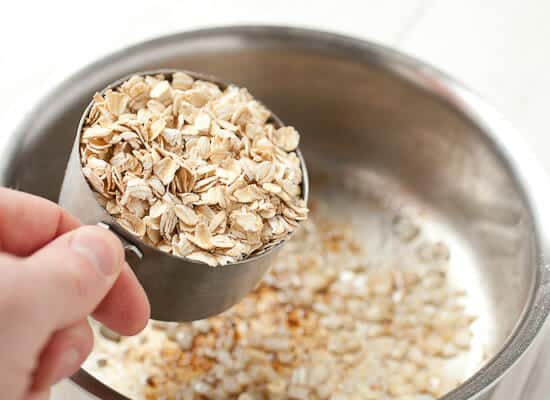
Oatmeal is high in soluble fiber, which can lower cholesterol. "It acts as a sponge in the digestive tract and soaks up the cholesterol so it is eliminated from the body and not absorbed into the bloodstream," says Lauren Graf, a registered dietician and co-director of the Cardiac Wellness Program at Montefiore Medical Center in New York City. Graf recommends avoiding instant oatmeal, which often contains sugar, and heading instead for old-fashioned or even quick-cooking oats. Other whole grains such as bread, pasta and grits are also good for the heart as long as they still contain the entire grain.

Image result for blueberries

Blueberries

Not just blueberries, but strawberries and other berries as well. According to a 2013 study women aged 25 through 42 who ate more than three servings of blueberries and strawberries a week had a 32% lower risk of heart attack compared with those who ate less. The authors of the study attributed the benefit to compounds known as anthocyanins, flavonoids (which are antioxidants) that may decrease blood pressure and dilate blood vessels. Anthocyanins give plants their red and blue colors.

superfoods-heart-chocolate

Dark chocolate

Several studies have now shown that dark chocolate may benefit your heart, including one in 2012 that found that daily chocolate consumption could reduce nonfatal heart attacks and stroke in people at high risk for these problems. The findings applied only to dark chocolate, meaning chocolate made up of at least 60-70% cocoa. Dark chocolate contains flavonoids called polyphenols, which may help blood pressure, clotting, and inflammation. Unfortunately, milk chocolate and most candy bars don't make the grade when it comes to protecting your heart.


superfoods-for-citrus

Citrus fruits

Women who consume high amounts of the flavonoids found in oranges and grapefruits have a 19% lower risk of ischemic stroke (caused by a clot) than women who don't get as much of these compounds, a 2012 study found. Citrus fruits are also high in vitamin C, which has been linked with a lower risk of heart disease. Beware of citrus juices that contain added sugar. And be aware that grapefruit products may interfere with the action of the cholesterol-lowering drugs known as statins.


superfoods-heart-soy

Soy

Soy products, including tofu and soy milk, are a good way to add protein to your diet without unhealthy fats and cholesterol. Soy products contain high levels of polyunsaturated fats (good for your health), fiber, vitamins, and minerals. What's more, soy may reduce blood pressure in people who eat a diet high in refined carbohydrates. And compared with milk or other proteins, soy protein can actually decrease LDL or "bad" cholesterol.


superfoods-for-potato

Potatoes

There's no reason to shun potatoes because they're white and look like a "bad" starch. As long as they're not deep fried, potatoes can be good for your heart. They're rich in potassium, which can help lower blood pressure. And they're high in fiber, which can lower the risk for heart disease. "They are definitely not a junk food or refined carbohydrate," says Graf. "They have a lot of health benefits."


superfoods-heart-tomatoes

Tomatoes

Tomato consumption in the U.S. has been rising and that's a good thing. Like potatoes, tomatoes are high in heart-healthy potassium. Plus, they're a good source of the antioxidant lycopene. Lycopene is a carotenoid that may help get rid of "bad" cholesterol, keep blood vessels open, and lower heart attack risk. And because they're low in calories and low in sugar, they don't detract from an already-healthy diet. "They're excellent for the body in a number of ways," says Graf.


superfoods-heart-nuts

Nuts

This includes almonds, walnuts, pistachios, peanuts and macadamia nuts, all of which contain good-for-your-heart fiber. They also contain vitamin E, which helps lower bad cholesterol. And some, like walnuts, are high in omega-3 fatty acids. "Some people in the past have avoided nuts because they're higher in fat, but most of the studies show that people who consume nuts daily are leaner than people who don't," says Graf. And leaner people are at a lower risk for heart problems. Look for varieties that don't have a lot of added salt.


superfoods-for-legumes

Legumes

Because they come from plants, legumes such as beans, lentils, and peas are an excellent source of protein without a lot of unhealthy fat. One study found that people who ate legumes at least four times a week had a 22% lower risk of heart disease compared with those who consumed them less than once a week. And legumes may help control blood sugar in people with diabetes. Lowering blood sugar levels is key in helping people avoid diabetes complications, one of which is heart disease.


superfoods-heart-olive-oil

Extra-virgin olive oil

In a landmark study, people at high risk for heart disease who followed the Mediterranean diet (high in grains, fruits, vegetables) supplemented by nuts and at least four tablespoons a day of olive oil reduced their risk of heart attacks, strokes, and dying by 30%. Olive oil is a good source of monounsaturated fats, which can help reduce both cholesterol and blood sugar levels. Olives themselves—both green and black—are another source of "good" fat, says Graf. And they "add a lot of flavor to salads," she notes.


superfoods-for-wine

Red wine

Red wine, or small amounts of any type of alcohol, are thought to lower heart disease risk. (Higher amounts, more than a drink or two a day, can actually increase risk.) While some say a polyphenol found in red wine, resveratrol, gives that beverage an added benefit, research suggests that any type of alcohol in moderation works. As with coffee, though, none of these properties are a reason to start drinking alcohol, says Graf. You can also get resveratrol from non-alcohol sources, like natural peanut butter and grapes.


superfoods-heart-green-tea

Green tea

Long a favorite in Asia, green tea has grown more popular in the West and may bring with it significant health benefits. A 2013 study found that people who drank four or more cups of green tea daily had a 20% reduced risk of cardiovascular disease and stroke compared with people who "seldom" imbibed the beverage. The findings echo a previous study that found lower rates of death, including death from heart disease, among avid drinkers of green tea. Antioxidants known as catechins may be responsible for the effect.


superfoods-heart-spinach

Broccoli, spinach and kale

When it comes to your health, you really can't go wrong with vegetables. But green vegetables may give an extra boost to your heart. These are high in carotenoids, which act as antioxidants and free your body of potentially harmful compounds. They're also high in fiber and contain tons of vitamins and minerals. Kale also has some omega-3 fatty acids. "Green vegetables are super health-promoting foods," says Graf.

Coffee

Another widely consumed beverage—coffee—may also promote heart health. One study found a 10 to 15% lower risk of dying from heart disease or other causes in men and women who drank six or more cups of coffee a day. Other research has found that even two cups a day could lower the risk of cardiovascular disease and stroke by 30%. It's not clear where the benefit comes from and the news isn't necessarily a reason to pick up the habit. "If you're already drinking coffee and enjoying it, continue," says Graf. "If not, there's no reason to start."


superfoods-heart-flaxseed

Flax seeds

Flax seeds as well as the ultra-chic (among the health conscious) chia seeds are high in omega-3 fatty acids, says Graf. That's one reason they're good for your heart. Another reason is their high fiber content. Plus, there are a million ways to enjoy them. Try them ground up with other heart-healthy foods, such as dried blueberries, cranberries, or oatmeal or even blended with soy milk and fruit to create a smoothie.

Avocado

These soft, tasty fruits have a well-established reputation for providing the body and heart with healthy fats. Like olive oil, they're rich in the monounsaturated fats that may lower heart disease risk factors, such as cholesterol. They're also high in antioxidants and in potassium, says Graf. They can be eaten on their own or blended into guacamole, perhaps with some heart-promoting tomatoes.


superfoods-for-pomegranate

Pomegranate

Pomegranates contain numerous antioxidants, including heart-promoting polyphenols and anthocyanins which may help stave off hardening of the arteries. One study of heart disease patients found that a daily dose of pomegranate juice over three months showed improvements in blood flow to the heart. Ultimately, though, it's important to have variety in your diet. If you don't like pomegranates or can't afford them, reach for apples, which also contain plenty of health-promoting compounds, says Graf.

Weight loss diet: Five vitamins and minerals that slash fat and build muscle

IF YOU want to get ripped make sure you include these five nutrients in your diet. Eating healthy foods and exercising is the bes...