Showing posts with label Calories. Show all posts

Tuesday, 22 August 2017

Can Eating Too Few Calories Stall Your Metabolism?

Learn why cutting out too many calories can keep you from losing weight.


If you're like most people who want to lose weight, you want to lose it fast. So you may be tempted to make drastic changes in your diet to dramatically reduce the number of calories you consume. But what you may not know is that eating too few calories can actually backfire and sabotage your weight-loss efforts.

"It would make sense to stop eating [when you are trying to lose weight], but it actually works in the opposite way," says Kimberly Lummus, MS, RD, Texas Dietetic Association media representative and public relations coordinator at the Austin Dietetic Association in Austin, Texas.

Calories and Your Health
The most effective way to lose weight is to consume fewer calories than you expend, creating a calorie deficit. But if your calorie intake dips too low, says Lummus, your body could go into starvation mode. "Your body will start to store fat because it thinks it is not going to get anything," says Lummus. "You will be at a point where your body is kind of at a standstill."
Lummus says that when your body goes into starvation mode, your metabolism slows to a crawl, burning calories as slowly as possible to conserve its energy stores. This is why people who cut their calories too much may reach a plateau and stop losing weight.
Eating too few calories can be the start of a vicious cycle that causes diet distress. When you cut your calories so low that your metabolism slows and you stop losing weight, you probably will become frustrated that your efforts are not paying off. This can lead you to overeat and ultimately gain weight.
"It is so hard to sustain cutting calories and eating too little. What typically happens is that the person will go in the opposite direction; they will just become too hungry and go into a binging mode," says Lummus. "Because you are getting frustrated by not seeing any weight loss, you just sort of throw in the towel."

Jillian Michaels: 3 Tips for Losing Those Last 10 Pounds

Why is it so hard to lose the last 10 pounds? Jillian Michaels shares her secrets for shedding that stubborn weight.
In addition to sabotaging your weight-loss efforts, eating too few calories can also harm your health. When your body goes into starvation mode, you are at increased risk for the following:
  • Abnormally low blood pressure and slow heart rate
  • Heart rhythm abnormalities
  • Electrolyte imbalances, especially potassium deficiency
  • Gallstones
  • Hair loss
  • Brittle fingernails
  • Loss of menstrual periods in women
  • Soft hair growth over entire body
  • Dizziness
  • Trouble concentrating
  • Anemia
  • Swelling in your joints
  • Brittle bones
  • Depression
Coming to Terms With Calories
Remember that calories are not your enemy. They are a vital part of a healthy and energetic life. "Your body needs a certain amount of calories just to sustain proper function," says Lummus. This is why fad diets that force you to cut out too many calories leave you feeling lethargic, shaky, and ready to give up.
Instead of opting for a fad diet, find a reasonable eating and exercise plan that allows you to lose one-half to two pounds per week. There is evidence that people who lose weight at this rate — by making better nutrition choices, eating smaller portion sizes, and exercising — also have the best chance of keeping it off. Make a plan to adopt new healthful habits that you will be able to stick to indefinitely, and always allow yourself a little wiggle room for special occasions.

Source:

15 common mistakes people make when trying to lose weight


Losing weight can seem very tough. Sometimes you feel like you’re doing everything right, yet still not getting results.

You may actually be hindering your progress by following misguided or outdated advice.
Here are 15 common mistakes people make when trying to lose weight.

1. Only focusing on the scale weight 
weight-scales.jpg

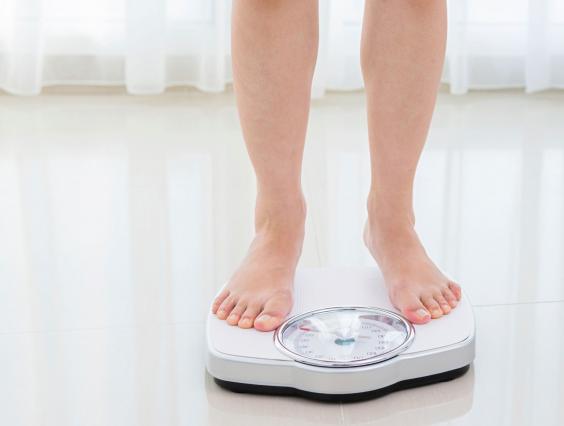
It’s very common to feel like you’re not losing weight fast enough, despite faithfully sticking to your diet. However, the number on the scale is only one measure of weight change. Weight is influenced by several things, including fluid fluctuations and how much food remains in your system.
In fact, weight can fluctuate by up to 4 lbs (1.8 kg) over the course of a day, depending on how much food and liquid you’ve consumed.

Also, increased estrogen levels and other hormonal changes in women can lead to greater water retention, which is reflected in scale weight

If the number on the scale isn’t moving, you may very well be losing fat mass but holding on to water. Fortunately, you can do several things to lose water weight.
If you’ve been working out, you may be gaining muscle and losing fat. When this happens, your clothes may start to feel looser — especially around the waist — despite a stable scale weight.
Measuring your waist with a tape measure and taking monthly pictures of yourself can reveal you’re actually losing fat, even if the scale number doesn’t change much.

Bottom Line: Many factors can affect scale weight, including fluid fluctuations, muscle mass gain and the weight of undigested food. You may be losing body fat even if the scale reading doesn’t change much.

2. Eating too many or too few calories
sugar-tax-getty.jpg

A calorie deficit is required for weight loss. This means you need to burn more calories than you consume.

For many years, it was believed that a decrease of 3,500 calories per week would result in 1 lb (.45 kg) of fat loss. However, recent research shows the calorie deficit needed varies from person to person.

You may feel as though you’re not eating very many calories. But in fact, most of us have a tendency to underestimate and under report what we eat.
In a two-week study, 10 obese people reported consuming 1,000 calories per day. Lab testing showed they were actually taking in about 2,000 calories per da.
You may be consuming too many foods that are healthy but also high in calories, such as nuts and cheese. Watching portion sizes is key.
On the other hand, decreasing your calorie intake too much can be counterproductive.
Studies on very low-calorie diets providing less than 1,000 calories per day show they can lead to muscle loss and significantly slow down metabolism.

Bottom Line: Consuming too many calories can stop you from losing weight. On the other hand, too few calories can make you ravenously hungry and reduce your metabolism and muscle mass.

3. Not exercising or exercising too much
exercise-getty.jpg

During weight loss, you inevitably lose some muscle mass as well as fat, although the amount depends on several factors (8). If you don’t exercise at all while restricting calories, you’re likely to lose more muscle mass and experience a decrease in metabolic rate.

By contrast, exercising helps minimize the amount of lean mass you lose, boost fat loss and prevent your metabolism from slowing down. The more lean mass you have, the easier it is to lose weight and maintain the weight loss.

Over-exercising can also cause problems.
Studies show excessive exercise is unsustainable in the long term for most people and may lead to stress. In addition, it may impair the production of adrenal hormones that regulate stress response.

Trying to force your body to burn more calories by exercising too much is neither effective nor healthy.

Lifting weights and doing cardio several times per week is a sustainable strategy for maintaining metabolic rate during weight loss.

Bottom Line: A lack of exercise can lead to loss of muscle mass and lower metabolism. On the other hand, too much exercise is neither healthy nor effective, and it may lead to severe stress.

4. Not lifting weights
weights_RF_Getty.jpg

Performing resistance training is incredibly important during weight loss.
Studies show lifting weights is one of the most effective exercise strategies for gaining muscle and increasing metabolic rate. It also improves overall body composition and boosts belly fat loss.

In fact, a review of 15 studies with more than 700 people found the best strategy of all for weight loss appears to be combined aerobic exercise and weightlifting.

Bottom Line: Weightlifting or resistance training can help boost metabolic rate, increase muscle mass and promote fat loss, including belly fat.

5. Choosing low-fat or “diet” foods 
Processed low-fat or “diet” foods are often considered good choices for losing weight, but they may actually have the opposite effect.
Many of these products are loaded with sugar to improve their taste.
For instance, one cup (245 grams) of low-fat, fruit-flavored yogurt can contain a whopping 47 grams of sugar (nearly 12 teaspoons.
Rather than keep you full, low-fat products are likely to make you hungrier, so you end up eating even more.
Instead of low-fat or “diet” foods, choose a combination of nutritious, minimally processed foods.

Bottom Line: Fat-free or “diet” foods are typically high in sugar and may lead to hunger and higher calorie intake.

6. Overestimating how many calories you burn during exercise
gettyimages-589922100-0.jpg
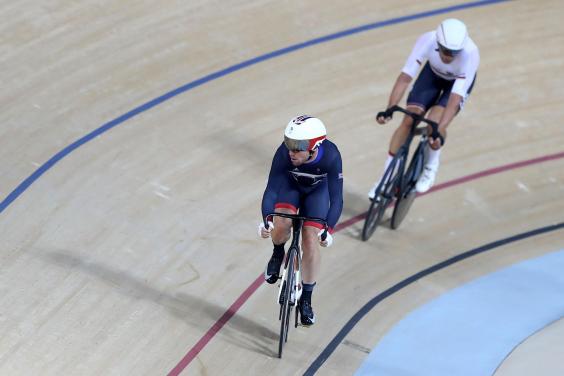
Mark Cavendish of Great Britain competes in the Cycling Track Men's Omnium Points Race (Getty)
Many people believe that exercise “supercharges” their metabolism.

Although exercise increases metabolic rate somewhat, it may actually be less than you think.
Studies show both normal and overweight people tend to overestimate the number of calories they burn during exercise, often by a significant amount.

In one study, people burned 200 and 300 calories during exercise sessions. Yet when asked, they estimated they had burned over 800 calories. As a result, they ended up eating more (21).
That being said, exercise is still crucial for overall health and can help you lose weight. It’s just not as effective at burning calories as some people think.

Bottom Line: Studies show people tend to overestimate the number of calories they burn during exercise.

7. Not eating enough protein
steak.jpg

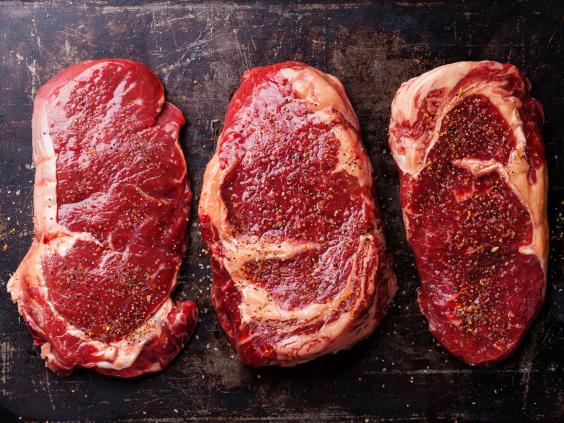
Getting enough protein is extremely important if you’re trying to lose weight. Protein has been shown to help with weight loss in several ways.

It can reduce appetite, increase feelings of fullness, decrease calorie intake, increase metabolic rate and protect muscle mass during weight los.
In a 12-day study, people ate a diet containing 30% of calories from protein. They ended up consuming an average of 575 fewer calories per day than when they ate 15% of calories from protein .
A review also found that higher-protein diets, containing 0.6–0.8 grams of protein per lb (1.2–1.6 g/kg), may benefit appetite control and body composition. To optimize weight loss, make sure each of your meals contains a high-protein food.

Bottom Line: High protein intake helps with weight loss by reducing appetite, increasing feelings of fullness and boosting metabolic rate.

8. Not eating enough fiber
cereal_RF_Getty_breakfast.jpg
 
 
A low-fiber diet may be compromising your weight loss efforts.
Studies show a type of soluble fiber known as viscous fiber helps reduce appetite by forming a gel that holds water.
This gel moves slowly through your digestive tract, making you feel full.
Research suggests all types of fiber benefit weight loss. However, a review of several studies found viscous fiber reduced appetite and calorie intake much more than other types (29, 30).
When total fiber intake is high, some of the calories from foods in mixed meals aren’t absorbed. Researchers estimate that doubling daily fiber intake could result in up to 130 fewer calories being absorbed.

Bottom Line: Eating enough fiber can help reduce appetite by filling you up so you eat less. It may also help you absorb fewer calories from other foods.

9. Eating too much fat on a low-carb diet 
avocado.jpg

Ketogenic and low-carb diets can be very effective for weight loss. Studies show they tend to reduce appetite, which often leads to a spontaneous reduction in calorie intake.
Many low-carb and ketogenic diets allow unlimited amounts of fat, assuming that the resulting appetite suppression will keep calories low enough for weight loss.
However, some people may not experience a strong enough signal to stop eating. As a result, they may be consume too many calories to achieve a calorie deficit.
If you’re adding large amounts of fat to your food or beverages and are not losing weight, you may want to cut back on the fat.

Bottom Line: Although low-carb and ketogenic diets help reduce hunger and calorie intake, adding too much fat may slow down or prevent weight loss.

10. Eating too often, even if you’re not hungry 
For many years, the conventional advice has been to eat every few hours in order to prevent hunger and a drop in metabolism. Unfortunately, this can lead to too many calories being consumed over the course of the day. You may also never truly feel full.
In one study, blood sugar levels and hunger decreased while metabolic rate and feelings of fullness increased in men who consumed 3 meals versus 14 meals within a 36-hour time frame.
The recommendation to eat breakfast every morning, regardless of appetite, also appears to be misguided. One study found when people skipped breakfast, they took in more calories at lunch than when they’d eaten a morning meal. However, they consumed an average of 408 fewer calories for the day overall.
Eating when you’re hungry and only when you’re hungry seems to be key to successful weight loss.
However, letting yourself get too hungry is also a bad idea. It is better to eat a snack than become ravenously hungry, which can cause you to make poor food decisions.

Bottom Line: Eating too often can hurt your weight loss efforts. For the best results, it’s important to eat only when you’re hungry.

11. Having unrealistic expectations
brownlees.jpg
Jonny (left) and Alistair Brownlee running in the triathlon in Rio
 
Having weight loss and other health-related goals can help keep you motivated. But having unrealistic expectations can actually work against you.
Researchers analyzed data from several weight loss center programs. They reported overweight and obese women who expected to lose the most weight were the most likely to drop out of a program after 6 to 12 months.
Adjust your expectations to a more realistic and modest goal, such as a 10% drop in weight in one year. This can help prevent you from getting discouraged and improve your chances for success.

Bottom Line: Unrealistic expectations can lead to frustration and giving up altogether. Make your goals more modest to increase your chances of successful weight loss.

12. Not tracking what you eat in any way 
web-diary-planning-calendar-RF-getty-c.jpg

Eating nutritious foods is a good weight loss strategy. However, you may still be eating more calories than you need to lose weight.
What’s more, you may not be getting the right amount of protein, fiber, carbs and fat to support your weight loss efforts.
Studies show that tracking what you eat can help you get an accurate picture of your calorie and nutrient consumption, as well as provide accountability.
In addition to food, most online tracking sites and apps allow you to enter your daily exercise as well. Here is a review of several popular calorie tracking tools.

Bottom Line: If you’re not tracking what you eat, you may be consuming more calories than you realize. You may also be getting less protein and fiber than you think.

13. Still drinking sugar
juice-istock.jpg

Many people cut soft drinks and other sweetened beverages out of their diet to lose weight, which is a good thing. However, drinking fruit juice instead isn’t smart.
Even 100% fruit juice is loaded with sugar and may lead to health and weight problems similar to those caused by sugar-sweetened beverages.
For instance, 12 ounces (320 grams) of unsweetened apple juice contain 36 grams of sugar. That’s even more than in 12 ounces of cola.
What’s more, liquid calories don’t seem to affect the appetite centers in your brain the same way calories from solid foods do.
Studies show that you end up consuming more calories overall, instead of compensating for the liquid calories by eating less later in the day.

Bottom Line: If you cut out sugar-sweetened beverages but continue drinking fruit juice, you’re still getting a lot of sugar and are likely to take in more calories overall.

14. Not reading labels
Failing to accurately read label information can cause you to consume unwanted calories and unhealthy ingredients.
Unfortunately, many foods are labeled with healthy-sounding food claims on the front of the package. These may give you a false sense of security about choosing a certain item.
To get to the most important information for weight control, you need to look at the ingredients list and nutrition facts label, which are on the back of the container.
You can find out more about how to read food labels in this article.

Bottom Line: Food labels provide information on ingredients, calories and nutrients. Make sure you understand how to accurately read labels.

15. Not eating whole, single-ingredient foods 
One of the worst things you can do for weight loss is to eat a lot of highly processed foods.
Animal and human studies suggest that processed foods may be a major factor in the current epidemic of obesity and other health problems.
Some researchers believe this could be due to their negative effects on gut health and inflammation. Whole foods tend to be self-limiting, meaning they are hard to overconsume. By contrast, it’s very easy to overeat processed foods.
When possible, choose whole, single-ingredient foods that are minimally processed.

Source:

Sunday, 18 June 2017

The 10 Rules of Weight Loss That Lasts

Before You Even Begin

Before you even begin to attack a weight-loss plan, it pays to remember this: You are not fat. You have fat. Losing weight isn't about blame or shame; it's simply another achievement to accomplish, like training for a race or finally cranking out 10 push-ups. "Dieting is like any other skill—you have to buckle down and work at it," says therapist Deborah Beck Busis, Ph.D., the diet program coordinator at the Beck Institute for Cognitive Behavior Therapy and a coauthor of The Diet Trap Solution. "As long as you act in a smart, reasonable way, you'll ultimately get where you want to be."
To help you reach your goal weight and maintain it, we examined the latest research and talked to top experts to compile the 10 tenets for weight loss that have been proved to deliver results.

1. It's Not a Diet. It's a Lifestyle

"Thinking of a diet as something you're on and suffering through only for the short term doesn't work," Beck Busis says. To shed weight and keep it off, you need to make permanent changes to the way you eat. It's OK to indulge occasionally, of course, but if you cut calories temporarily and then revert to your old way of eating, you'll gain back the weight quicker than you can say yo-yo.


Use it to lose it. Research shows that one of the best predictors of long-term weight loss is how many pounds you drop in the first month, says John Apolzan, Ph.D., an assistant professor at the Ingestive Behavior Lab at Louisiana State University's Pennington Biomedical Research Center. It makes sense: Immediate results are motivating. For that reason, nutritionists often suggest being stricter for the first two weeks of your new eating strategy to build momentum. Cut out added sugar and alcohol and avoid unrefined carbs. "After that, ease small amounts of those foods back into your diet for a plan you can live with for the long term," says Wendy Bazilian, R.D.N., a nutritionist and an exercise physiologist in San Diego and a coauthor of The SuperFoodsRx Diet. "Figure out how you can reincorporate them in a way that's healthy and maintainable," adds Brooke Alpert, R.D.N., a nutritionist and a coauthor of The Sugar Detox. "Establish specific goals, such as setting a maximum number of drinks you'll have a week or limiting pizza to one slice." Schedule one weekly indulgence to look forward to, and give yourself one spontaneous splurge to use whenever you really want it, Bazilian suggests.
Photo: Shutterstock

2. There's a Right Way to Exercise

Working out burns calories and fat and boosts your metabolism by building muscle. But those trying to lose weight are notorious for overestimating the number of calories they burn and underestimating the amount they take in. Unfortunately, your system is biologically programmed to hold on to extra pounds, says Louis Aronne, M.D., a professor of metabolic research and the director of the Comprehensive Weight Control Center at Weill Cornell Medicine. That means when you start exercising, your body senses the deficit and ramps up its hunger signals, according to a review of weight-loss studies. If you're not diligent, you'll eat everything you burn and then some.

Use it to lose it. Cardio gets all the exercise glory, but strength and interval training are the real heroes. They help you build lean muscle, which in turn increases your metabolism and calorie-burning ability, says Lance Dalleck, Ph.D., an assistant professor of exercise and sport science at Western Colorado State University. His advice: Every week, strength-train two to three days. For the best results, also do three to five cardio sessions that burn 250 to 400 calories each.

3. Don't Overreact to Mild Hunger

Some women have a hard time losing weight because of hunger anxiety. To them, being hungry is bad—something to be avoided at all costs—so they carry snacks with them and eat when they don't need to, Alpert explains. Others eat because they're stressed out or bored. While you never want to get to the point of being ravenous (that's when bingeing is likely to happen), a hunger pang, a craving, or the fact that it's 3:00 p.m. should not send you racing for the vending machine or obsessing about the energy bar in your purse. Ideally, you should put off eating until your stomach is growling and it's difficult to concentrate, Alpert says.

Use it to lose it. When you feel the urge to eat, use the HALT method, Bazilian suggests. Ask yourself, Am I really hungry? Or am I angry or anxious, lonely or bored, or tired? If you're still not certain, try the apple test. "If you're truly hungry, an apple should seem delicious; if it doesn't, something else is going on," says Robin Frutchey, a behavioral therapist at Johns Hopkins University Weight Management Center. In that case, give yourself a pep talk instead of a snack. "If hunger isn't the problem, food isn't the solution," Beck Busis says. "There are a lot of other ways to deal with boredom or anxiety—like going for a walk, hitting the gym, or texting a friend—and those things have zero negative consequences."
Photo: Shutterstock

4. Not All Calories Are Created Equal

The mechanics of weight loss are pretty simple: Take in fewer calories than you use for energy. But the kind of food you eat makes all the difference. "A calorie is not just a calorie," Dr. Aronne says. Processed food that's high in saturated fat and refined starch or sugar can cause inflammation that disrupts the hormone signals that tell your brain you're full, he explains. The result: You eat a lot more. Plus, studies show that junk food can be addictive; the more you eat it, the more you need to get the same feel-good effects. "One handful of potato chips won't cut it any longer, so you keep eating and eating," Frutchey says.

Use it to lose it. Clean up your diet. Swap in whole, unprocessed foods, including vegetables, lean protein, and healthy fats that will fill you up and give you the biggest nutritional bang for your calorie buck. In a few weeks, as your brain starts receiving regular hunger and fullness signals once again, you'll notice that you feel less hungry overall and naturally start cutting back on the amount you eat, Dr. Aronne says.
While you're at it, log each meal. Keeping a daily food diary (there are tons of apps for this) leads to significant weight loss because it makes you accountable, research shows. One study published in the American Journal of Preventive Medicine found that people who kept daily food records lost about twice as much weight as those who didn't.
Photo: Shutterstock

5. Protein, Produce, and Plant-Based Fats Are Your Weight-Loss Trinity

Here's why eating the three Ps regularly will help you drop pounds.
Protein fills you up. You need it to build lean muscle, which keeps your metabolism humming so that you can torch more fat, Dr. Aronne says. People in a weight-loss program who ate double the recommended daily allowance for protein (about 110 grams for a 150-pound woman) lost 70 percent of their weight from fat, while people who ate the RDA lost only about 40 percent, one study found.
Produce is packed with filling fiber. "It's very difficult to consume too many calories if you're eating a lot of vegetables," says Caroline Apovian, M.D., the director of the Nutrition and Weight Management Center at Boston Medical Center and the author of The Age-Defying Diet. Case in point: Three cups of broccoli is a lot of food, yet only 93 calories. (Fruit is another story. It can be easy to overeat and can contain a lot of calories from sugar, so be sure
to monitor your intake.)

Plant-based fats like olive oil and those in avocados and nuts are healthy and extra satiating. "Low-fat diets make people irritable and feel deprived because fat tastes good and keeps you full," Dr. Apovian says.

Use it to lose it. Aim to incorporate each of the three Ps into every meal and snack. People who eat protein throughout the day are able to keep weight off, according to a study in the American Journal of Clinical Nutrition. In addition to meat, poultry and seafood, good sources are beans, lentils, eggs, tofu, and yogurt. As for fat, keep portion sizes in check by measuring out salad dressing, oil, and nut butters (shoot for one to two tablespoons). Finally, eat veggies or a little fruit at every meal. People who did that consumed 308 fewer calories but didn't feel any hungrier than when they didn't eat more produce, a study in the journal Appetite noted.
Photo: Shutterstock

6. Meal Skipping, Juice Fasts, and Crash Diets Will Backfire. Always

When you lose weight on a fast or a crash diet, you don't learn to eat healthier, adjust your portion sizes, or deal with whatever is triggering your overeating in the first place, so the pounds quickly return, Frutchey says. The physical damage goes deeper. "The worse the quality of a diet or the more restrictive it is, the more you end up burning precious muscle to supply energy," Dr. Aronne says. "You're losing muscle instead of fat, so the weight loss is just an illusion of success."

Use it to lose it. Depending on how much weight you need to drop and how much you currently eat, try to cut 500 to 1,000 calories a day through both diet and exercise, Frutchey advises. Limiting yourself to about 1,500 calories a day won't leave you starving, but it will help you see motivating changes on the scale.

7. How You Eat Is As Important As What You Eat

In order for your brain to register that you're full, you need to focus on what you're eating. "Physical satiety is closely tied to psychological satisfaction," Beck Busis says. "People tell me all the time how difficult it is for them to lose weight because they love to eat, yet they never concentrate on their food—they eat while watching TV, reading, driving, and working." No wonder that, according to research, eating when you're distracted results in consuming a significant number of extra calories a day.

Use it to lose it. Sit down whenever you eat, preferably at a table. "If you ask someone to recall what she ate in a day, she'll forget most of the food she consumed standing up," Beck Busis says. Turn off the TV or computer, put down your phone, and look at your food. Smell it. Chew slowly, and don't put another bite on your fork until you swallow. When women ate lunch this attentively, they consumed 30 percent less when snacking later than those who listened to an audiobook at lunchtime, according to a study in the British Journal of Nutrition.
Photo: Shutterstock

8. Weighing Yourself Really Works

The scale provides the best evidence about whether your efforts are paying off, Beck Busis says. Seeing the numbers tick up or down or stagnate is motivation to keep going—or to rethink your approach. A 2015 study at Cornell University found that daily weigh-ins helped people lose more weight, keep it off, and maintain that loss, even after two years.

Use it to lose it. Step on the scale at the same time every day for the best results. If your weight shoots up several pounds from one weigh-in to the next, don't freak out. Eating a lot of salt the night before or having your period is the likely culprit. The number should return to normal in a day or two. It's a steady climb that you need to do something about.
Photo: Shutterstock

9. Too Much Stress and Too Little Sleep Are Your Enemies

When you're tired and frazzled, your body cranks up the production of cortisol, the stress hormone that can cause carb cravings, Frutchey says. Not getting enough sleep also boosts your levels of ghrelin, a hormone associated with hunger, while suppressing leptin, a hormone that signals fullness and satiety. People on a diet who slept only five and a half hours a night for two weeks lost 55 percent less fat and were hungrier than those who slept eight and a half hours, according to a study in the Canadian Medical Association Journal.

Use it to lose it. Prioritize sleep, aiming for seven hours or more a night, which research shows helps lower stress. And make sure you're getting quality zzz's. If a snoring spouse or a fidgety cat wakes you up frequently throughout the night, you may end up getting the equivalent of just four hours of sleep, according to a study from Tel Aviv University. Keep pets out of the bedroom, and use a white-noise app to drown out snoring.
Photo: Shutterstock

10. You Will Hit a Plateau—And You Can Bust Through It

As you slim down, your body releases much less leptin, the fullness hormone. "If you lose 10 percent of your body weight, leptin drops by about 50 percent," Dr. Aronne says. "Your brain is programmed to think you've shed more pounds than you actually have, and it tells your body it needs more food and should burn fewer calories." That's why plateaus happen and what makes maintaining weight loss so difficult. In addition, when you're lighter, you require fewer calories for energy. "You might have burned 100 calories taking a walk before, but now your body needs only 80 calories to go the same distance," Frutchey explains.

Use it to lose it. We'll reiterate: If you're not strength training, start right now. Building muscle can raise your metabolism to help you overcome a plateau, Dr. Aronne says. To keep your body challenged and burning calories, incorporate new moves and more intense intervals into your workouts or add another sweat session to your weekly routine. Alternatively, cut an extra 100 calories or so a day from your diet. Now that you've lost weight, your body simply doesn't need as much fuel. Still stuck? Try eating carbs last at every meal, after your protein and vegetables, Dr. Aronne suggests. His research shows that doing so will reduce your blood sugar by almost 40 percent. "Blood sugar influences weight," he explains, "so this strategy could help."

Source:

Weight loss diet: Five vitamins and minerals that slash fat and build muscle

IF YOU want to get ripped make sure you include these five nutrients in your diet. Eating healthy foods and exercising is the bes...