Showing posts with label Protein. Show all posts

Monday, 18 September 2017

10 Unbelievable Diet Rules Backed by Science


When describing how you really feel about the latest miracle fix in the diet and fitness world, you'd probably like to drop an F-bomb—as in, what the fad? After all, how many times have you trusted logical sounding ideas, put all your faith in a diet strategy, only to find out that the time you invested was a waste—and you still haven’t dropped the weight?
Consider this your F-bomb free zone. No fads, no faking, and no frustration. You see, when you really dig into the research, most of what you assume is correct about dieting is actually wrong. Discover the real diet rules for weight loss here and the only f-words coming out of your mouth will be “Finally. Fat loss!”

Skip Breakfast for Weight Loss If You Want
What to eat for breakfast to lose weight

One of the diet rules for weight loss that we've heard more than any other: A healthy diet begins with a great breakfast. There's just one problem: A good breakfast doesn’t guarantee an overall healthy diet. In fact, according to a survey conducted by the NPD group, nearly 90 percent of Americans now eat breakfast, and yet nearly 50 percent of Americans are either overweight or obese. There are two things you should know about breakfast:

1. Timing isn't as important as you think. You don’t need to eat immediately (or even within one hour) after you wake up. Your metabolism won’t be harmed.

2. Eating an early breakfast means you’re creating a bigger eating window (you eat for more total hours during the day), which might lead to more fat storage and more health problems, according to scientists at the Salk Institute for Biological Studies. If you eat your first meal at 7 a.m. and eat a late-night snack at 10 p.m., that’s 15 hours of eating—which might be more than your body wants.

The fad-free truth: No one meal is more important than any other. What matters most is total calorie intake, food selection (think salad versus Big Mac), and then how much time you spend eating each day. So if you don’t love breakfast, skip it. If you do, enjoy your morning meal but keep an eye on your feeding window to make sure you’re not eating more calories than you need.
It's Okay to Eat a Big Dinner
How eating at night affects weight loss
We all know that dinner is the most popular meal to eat with friends and family, but most people think eating after dark is the cardinal sin of weight loss. Nothing could be more incorrect. Italian researchers compared eating earlier in the day (10 a.m.) to eating later in the day (6 p.m.) In that study, there was no difference in weight (pounds) lost, but the late eaters lost more fat. Several follow-up studies concluded the same thing—timing doesn’t matter. This statement from University of Oregon researchers sums it up well: “Eating too many calories causes weight gain regardless of when you eat them.”

The fad-free truth: Living in a world where you can’t eat at night and can’t enjoy food with your friends and family is restrictive and doesn’t adhere to any science-backed rules of weight loss. You won’t become fat by eating at night—that will only happen if you overeat at night. If you’re aware of how much you should be eating within any given day, you can place those calories in whatever meal works best for your body.
Snacking Does Not Affect Metabolism
Snacking for weight loss results
We know that when you eat, you burn calories. So about 30 years ago, one of the newest diet rules was that if you eat more frequently, you must burn more calories overall. Thus the “grazing” method was formed and a nation of people began consuming four to six small meals per day. One small problem: French researchers found that there is “no evidence of improved weight loss” by eating more frequently. They even went one step further to show that when it comes to the number of calories you burn per day (i.e. your metabolism), it does not matter if you graze or gorge, assuming that you’re eating the total number of calories you need to lose weight.

The fad-free truth: If you’re told to eat 2,000 calories per day, it doesn’t matter if it’s separated into five 400-calorie meals or two 1000-calorie feasts. (However, the composition of those meals does matter—that's the science of dieting.) What works best for your schedule should determine the number of meals you eat. When Canadian researchers compared eating three meals per day to six meals per day, breaking the six into three main meals and three snacks, there was no significant difference in weight loss, but those who ate three meals were more satisfied and felt less hunger.
Eat Carbs to Get Lean
Can cutting carbs help you lose weight?
From Atkins to the Paleo movement, carbohydrates have been criticized more than all of the ladies on the Real Housewives shows—combined. Here’s the real reason why carbs get such a bad reputation: Up to 50 percent of the carbohydrate intake in the typical American diet is in the form of highly processed carbs and sugar. So when people say carbs are bad, they’re usually just talking about eating lots of sugar. But that’s not really fair to every other food that also is labeled a carbohydrate.
When compared to a typical American diet, a low-carb diet looks like the undisputed champ. However, when compared to a good carb-based diet that is low in sugar, refined foods, and gluten (like the “Japanese Diet”), the results are very different. Before 1991, when Japan was considered a carb-dominate society, diabetes and obesity rates were never greater than three percent of the population. If carbs in general were the enemy, with their high starch intake via rice and sweet potatoes, the Japanese would be the fattest, most diabetic and unhealthy population on the planet. However this was not the case, and their levels of obesity are a “problem” people in the United States wish they had.

The fad-free truth: Ignore the outdated "carbs are evil" diet rules. Your body needs carbohydrates. If you completely remove this essential nutrient from your diet, you could experience a down-regulation of the hormones that control fat loss, making it harder to have the lean, sexy body you want. A good general rule: Eat more carbs on the days you’re active and fewer carbs on the days you’re sedentary. And make sure most of your carbs come from whole foods such as fruits and vegetables.
There is a Weight-Loss Pill Worth Buying
A weight loss pill that actually works
Most miracle “fat-burning supplements” are about as effective as an hour of Prancercizing. But if you want to take a pill to help promote fat loss, your best bet is a vitamin that you associate with the sun. Researchers from Canada found that people with higher levels of vitamin D also have lower levels of body fat. The connection isn't a coincidence. Vitamin D helps you feel fuller because, according to Australian researchers, it releases more leptin, a hormone essential to weight loss. It also helps you store less fat by decreasing parathyroid hormone, which makes you hold on to your love handles. Best of all, vitamin D literally burns more fat by reducing production of the stress hormone cortisol.

The fad-free truth: Buying supplements to help you lose weight is not the best use of your hard-earned money. The most important things for weight loss are a healthy diet and exercise, but some supplements can help fill nutritional gaps that will help your body function more efficiently. Supplementing with 2,000 to 3,000 IU of Vitamin D3 is a smart investment for your overall health and fat-loss goals.
Exercise On an Empty Stomach
Should you exercise on an empty stomach for weight loss?
If you exercise with a high intensity, there’s nothing worse than feeling sick to your stomach because you felt forced to eat before you hit the gym or pavement. There’s a lot of science that shows eating before a workout is important, but “before a workout” is a much wider time range than you might think.
In the simplest sense, your digestive process is very complicated. When you eat, the food does not go directly to your muscles or your gut. It takes time—a lot of time, in fact. So if you eat many hours before you train, there’s still plenty of fuel to help you perform and feel great.

The fad-free truth: Research published in the International Journal of Sport Nutrition and Exercise Metabolism found that the protein you eat digests anywhere between one gram per hour and 10 grams per hour. So if you have a meal consisting of 25 grams of protein, that meal could last in your system for up to 25 hours. Hydration level and sleep patterns also play a significant role in performance, so make sure you’re well rested and have plenty to drink, and then eat when it feels best for your body, even if it means a small meal or no meal at all.
Eat Saturated Fat for a Healthy Diet
Eating Fat Is Not Against Healthy Diet Rules
Books like The China Study and movies like Forks Over Knives have pointed the finger at saturated fats—and all animal fats—as the reason for countless health problems. Yet all the research used to support this hypothesis took a very slanted bias and completely ignored populations that were incredibly healthy despite diets based on saturated fats. For example, people who live in Tokelau (a territory off of New Zealand) eat a diet that is 50 percent saturated fats, and they have cardiovascular health that is superior to any other group of people. Even Walter Willett, chairman of the Department of Nutrition at Harvard, has publicly stated (after a 20-year review of research) that fats—and more specifically saturated fats—are not the cause of the obesity crisis and are not the cause of heart disease. (Surprise! New research found that the sugar industry was behind the idea that fat causes cardiovascular problems.)

The fad-free truth: Cholesterol actually acts as an antioxidant against dangerous free radicals within the blood. When there are high levels of undesirable substances in the blood (caused by inflammation in your arteries from eating highly processed foods and large quantities of sugars), cholesterol levels rise in order to combat these substances. Cholesterol is also necessary for the production of a number of hormones, some of which help fight against heart disease. Plus, research shows diets higher in saturated fats are often lower in total calories consumed.
Consider Fasting for Weight Loss
Should you try fasting for weight loss?
Any diet that has you not eat at all is not a diet—it’s starvation. But there’s a difference between withholding what your body needs and reprogramming your body so that you can control your hunger and let your body recharge. The idea of fasting is nothing crazy. You do it every night when you sleep, which is a time that that is essential for optimal health. Yet the idea of going several hours without eating during daytime is frowned upon.
When done correctly, fasting can actually help your body burn fat, recharge, and stay healthy. You’ve probably heard of cleanse diets that supposedly rid your body of toxins, improve the functioning of your internal organs, and help you age better. Most of these don’t work as advertised. The only real cleanse occurs at the cellular level. It’s called autophagy, and it’s your body’s ability to regenerate and become better. Autophagy makes your brain function a little better, helps with fat loss, and even assists in your ability to walk and breathe. But the more time you spend eating—as in actual hours during the day eating—the less time you spend in the autophagic process, which is why fasting isn’t a bad thing.

The fad-free truth: Researchers at the University of Utah found that people who fasted just one day per month were 40 percent less likely to suffer from clogged arteries. While there are many ways to fast, the important point is that you shouldn’t feel forced to eat if you’re not hungry. Short daily fasts (for 12 to 16 hours) or a once-per-week daily fast can have health benefits, and it will teach you to separate boredom or thirst from genuine hunger.
Going Organic Won't Help with Weight Loss
Is organic food worth it for weight loss?
I love my local farmer’s market, and I always do my best to purchase products from the best sources. That said, slapping “organic” on a label does not mean it will help you lose weight, and in some instances, it won’t even guarantee that a food is healthy. Research published in the Annal of Internal Medicine reviewed 200 studies that compared the health benefits of organic foods to conventional foods and the results were surprising: There were no clearly distinguishable benefits of eating organic foods, whether measured by preventing disease or an assessment of overall health. Specific to weight loss, a random comparison of organic to non-organic foods found no significant difference in nutritional information, including calories.

The fad-free truth: More research on organic foods needs to be conducted. There’s no doubt organic foods have fewer pesticides and toxins, the real question is if the sometimes-small difference in toxins makes any scientifically significant difference on your health. More importantly, labeling a food as organic does not mean its weight-loss friendly. Organic sources of sugar are still sugar. And organic products loaded with 1,000 calories are still 1,000 calories. If you want to reduce the potential of anything bad entering your body, feel free to purchase organic products but still keep an eye on the label.
There's No Such Thing as "Too Much Protein"
Here's how much protein you should eat for weight loss
You may have heard that eating lots of protein can cause all sorts of health problems, including kidney stones and gallstones, but this is a moot point for most people. Why? Because there’s no research showing any relationship between eating a lot of protein and developing kidney problems. In fact, a study published in the Journal of Strength and Conditioning Research tested eating up to 400 grams of protein per day without any negative consequences.
If you have a pre-existing kidney problem, it’s possible that a higher protein diet could be hard on your body. But if you have a kidney problem, you should be talking to your doctor about your diet anyway.

The fad-free truth: If you’re healthy, you are clear to eat protein and not worry about any health problems—because there are none. What’s more, protein is one of the most metabolic macronutrients, meaning that the more protein you eat, the more calories you burn. Just remember the science of dieting: that calories are still calories so the rules of total intake still apply.

Thursday, 24 August 2017

Tom Kerridge tells how he lost 11 stone – but still enjoyed food


Having lost a hefty chunk of weight, the chef Tom Kerridge decided to share his secrets in a new book. He tells Ellen Manning why his diet plan is delicious – and might even make you happier

Tom Kerridge serves up sausage, sage and onion omelette“There’s three things that you never thought would have happened five years ago: Leicester City winning the league, Donald Trump becoming President of the United States and Tom Kerridge writing a diet book.”
He chuckles as he says it, but Tom Kerridge is right – nobody could have foreseen that the chef who was, quite literally, larger than life would have released a “diet” book.
You also wouldn’t have predicted that the self-confessed naughty boy would have shifted 11st and changed his diet radically, including giving up alcohol. But he has. And his fourth cookbook, Tom Kerridge’s Dopamine Diet, is one that offers a bit of help to other people trying to do the same.

Writing a “diet book” took the TV chef by surprise as much as the rest of us. It followed a decision as he approached 40 that he needed to “do something” about his weight. He did – and then realised that he might be able to help others by telling them how.

Deciding what not to do

Tom Kerridge’s bavette with tomato salad Kerridge, now 43, searched high and low for the right kind of diet to help him “shift a lot of timber”. He split them all into three main types of diet: low-fat, low-calorie and low-carb.
“Then I looked at how I cook, because as a profession that’s what I do, so I couldn’t let it alter that. You’re on TV cooking great food and you have a business where you’ve achieved two Michelin stars cooking food of a particular style, so I can’t do one thing and behave in another way.”
Using his two Michelin-starred pub the Hand and Flowers’ bestselling dish, steak and chips, as the acid test, Kerridge decided low-fat wasn’t for him. Neither was he happy to limit his portion size, meaning calorie-counting was off the list. But when he thought about swapping the chips for greens or a salad – or even an extra steak – it seemed quite appealing.
“If I got rid of the chips and swapped it for something else, I’m still able to eat half of what I love, I haven’t had to cook it any differently, and if I go out for a meal I’m not inhibited by what I’m  ordering.”


Some simple rules

One of the first rules of Kerridge’s diet is if it’s starchy or has sugars in it, don’t eat it. But he doesn’t feel he’s missing out, instead using 25 years’ experience as a chef to “overload” everything else on the plate with flavour, whether it’s using different ingredients or finding different ways to cook things to extract as much flavour as possible.

Tom's turkey burgers with kohlrabi slawAnd he says that as he started looking at the foods he was eating and enjoying, it dawned on him that many were high in the amino acid tyrosine, which helps in the production of the “happy hormone” dopamine, and all of a sudden it “made sense”. That’s where the catchy “Dopamine Diet” title comes from, and his latest book’s recipes feature some of Kerridge’s “dopamine heroes”, such as double cream and yoghurt, beef, chicken and turkey, and chocolate, as well other low-carb foods and dishes.
And while some of the recipes are noticeably “carb-free”, such as a pepperoni omelette pizza, others will have friends and family fooled, he says – as with his tiramisu made with sugar replacements. Plus, he still gets to have some of his favourite treats. “I haven’t given up butter,” he says gleefully. “You have eggs, you can eat cheese and pork scratchings, it’s brilliant. You just have to not have potatoes and booze.”

But he admits it’s still tough at times. “It’s painful, right. You do have to give things up, you do have to have willpower.” That includes resisting alcohol. But developing ways of coping in social situations, plus unwavering support from close friends including fellow chefs Sat Bains and Claude Bosi, have seen him through.


What the experts say about dopamine

Tom Kerridge's coffee, chocolate and chia seed pudding“First of all, hats off to Tom,” says Ursula Arens, spokeswoman for the British Dietetic Association (BDA). “Whatever your ‘secrets’ are, it doesn’t go without a lot of willpower, focus and determination so respect, respect, respect.”
For Arens, Kerridge’s diet is another permutation of a low-carb, high-protein diet that works for many people. But it’s the dopamine aspect she isn’t quite convinced by.
“Dopamine is a neurotransmitter and it does link to feelings of wellbeing,” she says, but adds there is little to prove a direct link between certain protein foods and feelings of happiness.
“We eat proteins all the time, they are all a mixture of amino acids, and our body is the grand shuffler of what amino acid goes where to make what. The idea that it’s as simple as, ‘eat a bit of protein and you directly affect levels of dopamine in the brain’ is not proven by a very long degree.
“But the bottom line is it works for him and it may work for others, so good luck. Exactly how and why it works is almost secondary.”


Whatever works

Ultimately, Kerridge has found something that works for him, and now he wants to spread the word. “I’m just a normal bloke – if I wasn’t a chef I’d be driving a white van delivering furniture or something,” he says. “And to be given the opportunity to write a book like this helps me to help other normal people. I’m not telling you how to do it, I’m telling you how I’ve done it, it’s a slightly different thing.”

And while he’s not a lycra-clad Adonis, he is “someone who’s shifted 11st with an understanding of willpower but also an understanding that you can still love food and love what you eat rather than feel like you’re missing out”.
But with so many “diets” emerging every day, is Kerridge worried that his “Dopamine Diet” will be dismissed as a fad?

“It has the word ‘diet’ in the title because it’s based on how I lost weight and losing weight is called being on a diet – that’s just the English language. But it’s actually a cookery book. It’s been measured for carb content because that’s important because it’s a low-carb diet, but what it is is a lifestyle choice that I chose that helped me to lose 11st. I’d love people to take it on board and be inspired by it, and I’m not worried it gets dismissed as a fad because it’s not. It’s just a cookbook. Cook from it!”

Source:

Wednesday, 23 August 2017

Blood Type Diet: Eating for Types O, A, B, & AB


The Blood Type Diet

The Promise

Could eating a diet based on your blood type -- O, A, B, or AB -- help you trim down and get healthier? That's the idea behind the Blood Type Diet, created by naturopath Peter J. D'Adamo.
D'Adamo claims that the foods you eat react chemically with your blood type. If you follow a diet designed for your blood type, your body will digest food more efficiently. You'll lose weight, have more energy, and help prevent disease.

Image result for blood group dietWhat You Can Eat

That depends on your blood type. Here's what D'Adamo recommends for each type:

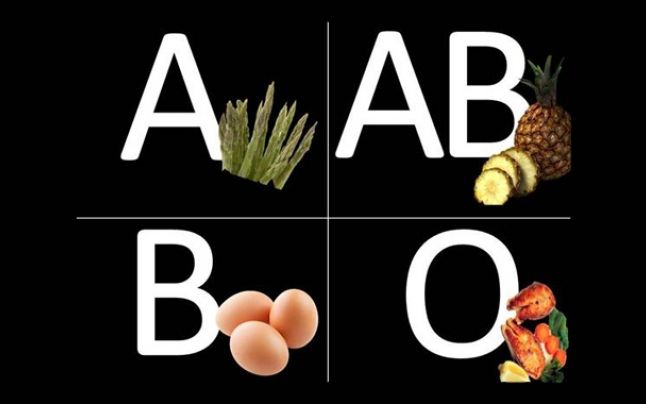
Type O blood: A high-protein diet heavy on lean meat, poultry, fish, and vegetables, and light on grains, beans, and dairy. D'Adamo also recommends various supplements to help with tummy troubles and other issues he says people with type O tend to have.

Type A blood: A meat-free diet based on fruits and vegetables, beans and legumes, and whole grains -- ideally, organic and fresh, because D'Adamo says people with type A blood have a sensitive immune system.

Type B blood: Avoid corn, wheat, buckwheat, lentils, tomatoes, peanuts, and sesame seeds. Chicken is also problematic, D'Adamo says. He encourages eating green vegetables, eggs, certain meats, and low-fat dairy.

Type AB blood: Foods to focus on include tofu, seafood, dairy, and green vegetables. He says people with type AB blood tend to have low stomach acid. Avoid caffeine, alcohol, and smoked or cured meats.

Level of Effort: High

If you don't already know your blood type, you'll need to find that out. The results will determine exactly what you need to do.
Limitations: Depending on your blood type, you may need to severely restrict the foods you eat.
Cooking and shopping: Your blood type will determine your shopping list and your choices when eating out.
Packaged foods or meals? None required.
In-person meetings? No.
Exercise: The Blood Type Diet recommends exercises based on your blood type. For instance, it suggests yoga or tai chi for type A’s, and vigorous aerobic exercises like jogging or biking for up to an hour a day for type O’s.

Does It Allow for Dietary Restrictions or Preferences?

Because the diet dictates that you eat very specific types of food based on your blood type, it doesn't allow much for personal tastes.
For example, if you're a big fan of meat and potatoes, you won't be very happy on the type A diet, which is mostly vegetarian.
There are even recommendations about the types of spices and condiments you can use.
If you're looking for a diet that's gluten-free, you should know that this diet doesn't ban gluten. You may be able to make choices that are gluten-free, if you read food labels carefully.

What Else You Should Know

Cost: D'Adamo recommends a lot of specialty and organic foods (such as soy milk and carob chip cookies), which can be pricey. Vitamin and herbal supplements are also part of the diet.
Support: You do this diet on your own.

What Dr. Melinda Ratini Says:

Does It Work?
One study found that adults eating the type A diet showed improved health markers, but this occurred in everyone, not just those with type A blood type. In 2013, a major review concluded that no evidence exists to support benefits of blood type diets.
It's likely that you would lose weight, though, because the diet can be very restrictive.

Is It Good for Certain Conditions?
The Blood Type Diet makes recommendations based solely on your blood type. So, if you have a chronic condition (say, diabetes), you may be told to eat high protein, while another person with diabetes may have to avoid dairy or chicken. This may conflict with your diabetes treatment plan.
The American Diabetes Association recommends a more practical approach to your day-to-day eating. It also cautions against focusing on specific foods. In most cases it doesn't recommend cutting out any major food groups.
The Blood Type Diet also fails to address other conditions such as heart disease, high blood pressure, or cholesterol. Any needed weight loss is sure to have a positive impact on these conditions. But no matter your blood type, you should follow the same guidelines issued by The American Heart Association (AHA) for a low-fat and low-salt diet.
Also, everyone should aim for 150 minutes of aerobic exercise per week and at least 2 days of strength training per week.

The Final Word
On The Blood Type Diet, you’ll avoid processed food and simple carbs. That may be enough to help you lose some weight. But any weight loss on this diet has not been linked to your blood type.
There’s also no research proving that this diet can aid in digestion or give you more energy.
Although you'll buy and prepare your own foods on this plan, your choices are limited depending on your blood type. So be prepared to spend some time in the kitchen.
The diet may quickly become expensive, too, since the author recommends you buy organics as well as his own line of supplements.
If the Blood Type Diet intrigues you, consider this: The science is stacked behind traditional recommendations for healthy eating for weight loss -- not restrictions based on the type of your blood.

Source:

Tuesday, 22 August 2017

15 common mistakes people make when trying to lose weight


Losing weight can seem very tough. Sometimes you feel like you’re doing everything right, yet still not getting results.

You may actually be hindering your progress by following misguided or outdated advice.
Here are 15 common mistakes people make when trying to lose weight.

1. Only focusing on the scale weight 
weight-scales.jpg

It’s very common to feel like you’re not losing weight fast enough, despite faithfully sticking to your diet. However, the number on the scale is only one measure of weight change. Weight is influenced by several things, including fluid fluctuations and how much food remains in your system.
In fact, weight can fluctuate by up to 4 lbs (1.8 kg) over the course of a day, depending on how much food and liquid you’ve consumed.

Also, increased estrogen levels and other hormonal changes in women can lead to greater water retention, which is reflected in scale weight

If the number on the scale isn’t moving, you may very well be losing fat mass but holding on to water. Fortunately, you can do several things to lose water weight.
If you’ve been working out, you may be gaining muscle and losing fat. When this happens, your clothes may start to feel looser — especially around the waist — despite a stable scale weight.
Measuring your waist with a tape measure and taking monthly pictures of yourself can reveal you’re actually losing fat, even if the scale number doesn’t change much.

Bottom Line: Many factors can affect scale weight, including fluid fluctuations, muscle mass gain and the weight of undigested food. You may be losing body fat even if the scale reading doesn’t change much.

2. Eating too many or too few calories
sugar-tax-getty.jpg

A calorie deficit is required for weight loss. This means you need to burn more calories than you consume.

For many years, it was believed that a decrease of 3,500 calories per week would result in 1 lb (.45 kg) of fat loss. However, recent research shows the calorie deficit needed varies from person to person.

You may feel as though you’re not eating very many calories. But in fact, most of us have a tendency to underestimate and under report what we eat.
In a two-week study, 10 obese people reported consuming 1,000 calories per day. Lab testing showed they were actually taking in about 2,000 calories per da.
You may be consuming too many foods that are healthy but also high in calories, such as nuts and cheese. Watching portion sizes is key.
On the other hand, decreasing your calorie intake too much can be counterproductive.
Studies on very low-calorie diets providing less than 1,000 calories per day show they can lead to muscle loss and significantly slow down metabolism.

Bottom Line: Consuming too many calories can stop you from losing weight. On the other hand, too few calories can make you ravenously hungry and reduce your metabolism and muscle mass.

3. Not exercising or exercising too much
exercise-getty.jpg

During weight loss, you inevitably lose some muscle mass as well as fat, although the amount depends on several factors (8). If you don’t exercise at all while restricting calories, you’re likely to lose more muscle mass and experience a decrease in metabolic rate.

By contrast, exercising helps minimize the amount of lean mass you lose, boost fat loss and prevent your metabolism from slowing down. The more lean mass you have, the easier it is to lose weight and maintain the weight loss.

Over-exercising can also cause problems.
Studies show excessive exercise is unsustainable in the long term for most people and may lead to stress. In addition, it may impair the production of adrenal hormones that regulate stress response.

Trying to force your body to burn more calories by exercising too much is neither effective nor healthy.

Lifting weights and doing cardio several times per week is a sustainable strategy for maintaining metabolic rate during weight loss.

Bottom Line: A lack of exercise can lead to loss of muscle mass and lower metabolism. On the other hand, too much exercise is neither healthy nor effective, and it may lead to severe stress.

4. Not lifting weights
weights_RF_Getty.jpg

Performing resistance training is incredibly important during weight loss.
Studies show lifting weights is one of the most effective exercise strategies for gaining muscle and increasing metabolic rate. It also improves overall body composition and boosts belly fat loss.

In fact, a review of 15 studies with more than 700 people found the best strategy of all for weight loss appears to be combined aerobic exercise and weightlifting.

Bottom Line: Weightlifting or resistance training can help boost metabolic rate, increase muscle mass and promote fat loss, including belly fat.

5. Choosing low-fat or “diet” foods 
Processed low-fat or “diet” foods are often considered good choices for losing weight, but they may actually have the opposite effect.
Many of these products are loaded with sugar to improve their taste.
For instance, one cup (245 grams) of low-fat, fruit-flavored yogurt can contain a whopping 47 grams of sugar (nearly 12 teaspoons.
Rather than keep you full, low-fat products are likely to make you hungrier, so you end up eating even more.
Instead of low-fat or “diet” foods, choose a combination of nutritious, minimally processed foods.

Bottom Line: Fat-free or “diet” foods are typically high in sugar and may lead to hunger and higher calorie intake.

6. Overestimating how many calories you burn during exercise
gettyimages-589922100-0.jpg
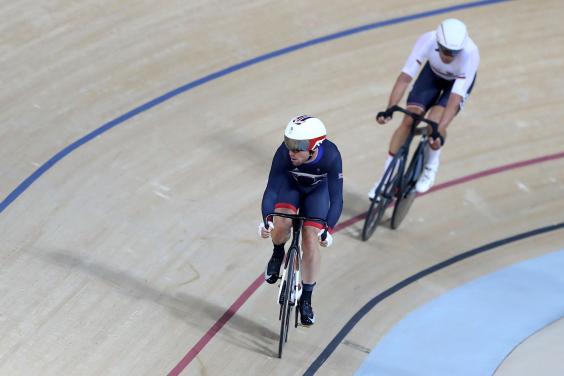
Mark Cavendish of Great Britain competes in the Cycling Track Men's Omnium Points Race (Getty)
Many people believe that exercise “supercharges” their metabolism.

Although exercise increases metabolic rate somewhat, it may actually be less than you think.
Studies show both normal and overweight people tend to overestimate the number of calories they burn during exercise, often by a significant amount.

In one study, people burned 200 and 300 calories during exercise sessions. Yet when asked, they estimated they had burned over 800 calories. As a result, they ended up eating more (21).
That being said, exercise is still crucial for overall health and can help you lose weight. It’s just not as effective at burning calories as some people think.

Bottom Line: Studies show people tend to overestimate the number of calories they burn during exercise.

7. Not eating enough protein
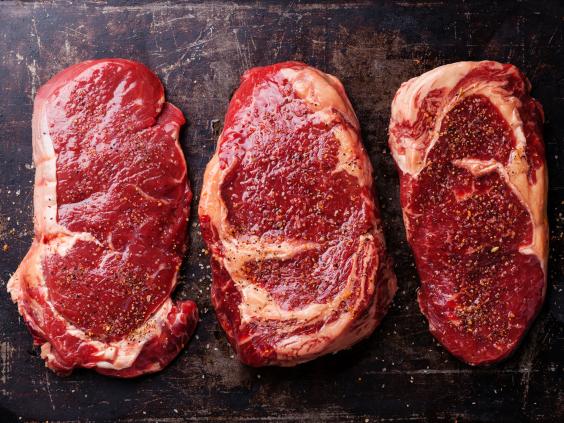
steak.jpg

Getting enough protein is extremely important if you’re trying to lose weight. Protein has been shown to help with weight loss in several ways.

It can reduce appetite, increase feelings of fullness, decrease calorie intake, increase metabolic rate and protect muscle mass during weight los.
In a 12-day study, people ate a diet containing 30% of calories from protein. They ended up consuming an average of 575 fewer calories per day than when they ate 15% of calories from protein .
A review also found that higher-protein diets, containing 0.6–0.8 grams of protein per lb (1.2–1.6 g/kg), may benefit appetite control and body composition. To optimize weight loss, make sure each of your meals contains a high-protein food.

Bottom Line: High protein intake helps with weight loss by reducing appetite, increasing feelings of fullness and boosting metabolic rate.

8. Not eating enough fiber
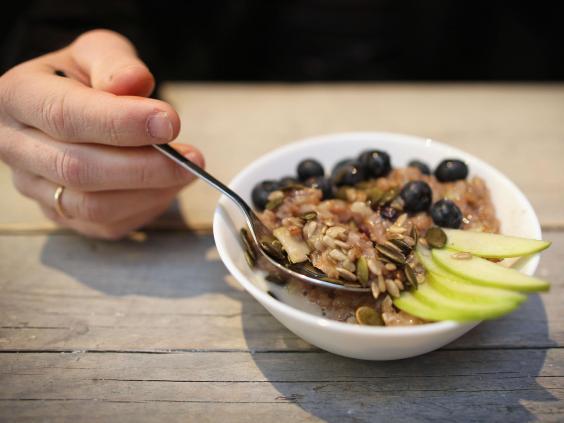
cereal_RF_Getty_breakfast.jpg
 
 
A low-fiber diet may be compromising your weight loss efforts.
Studies show a type of soluble fiber known as viscous fiber helps reduce appetite by forming a gel that holds water.
This gel moves slowly through your digestive tract, making you feel full.
Research suggests all types of fiber benefit weight loss. However, a review of several studies found viscous fiber reduced appetite and calorie intake much more than other types (29, 30).
When total fiber intake is high, some of the calories from foods in mixed meals aren’t absorbed. Researchers estimate that doubling daily fiber intake could result in up to 130 fewer calories being absorbed.

Bottom Line: Eating enough fiber can help reduce appetite by filling you up so you eat less. It may also help you absorb fewer calories from other foods.

9. Eating too much fat on a low-carb diet 
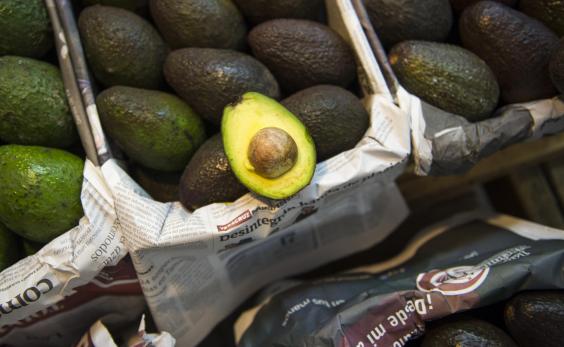
avocado.jpg

Ketogenic and low-carb diets can be very effective for weight loss. Studies show they tend to reduce appetite, which often leads to a spontaneous reduction in calorie intake.
Many low-carb and ketogenic diets allow unlimited amounts of fat, assuming that the resulting appetite suppression will keep calories low enough for weight loss.
However, some people may not experience a strong enough signal to stop eating. As a result, they may be consume too many calories to achieve a calorie deficit.
If you’re adding large amounts of fat to your food or beverages and are not losing weight, you may want to cut back on the fat.

Bottom Line: Although low-carb and ketogenic diets help reduce hunger and calorie intake, adding too much fat may slow down or prevent weight loss.

10. Eating too often, even if you’re not hungry 
For many years, the conventional advice has been to eat every few hours in order to prevent hunger and a drop in metabolism. Unfortunately, this can lead to too many calories being consumed over the course of the day. You may also never truly feel full.
In one study, blood sugar levels and hunger decreased while metabolic rate and feelings of fullness increased in men who consumed 3 meals versus 14 meals within a 36-hour time frame.
The recommendation to eat breakfast every morning, regardless of appetite, also appears to be misguided. One study found when people skipped breakfast, they took in more calories at lunch than when they’d eaten a morning meal. However, they consumed an average of 408 fewer calories for the day overall.
Eating when you’re hungry and only when you’re hungry seems to be key to successful weight loss.
However, letting yourself get too hungry is also a bad idea. It is better to eat a snack than become ravenously hungry, which can cause you to make poor food decisions.

Bottom Line: Eating too often can hurt your weight loss efforts. For the best results, it’s important to eat only when you’re hungry.

11. Having unrealistic expectations
brownlees.jpg
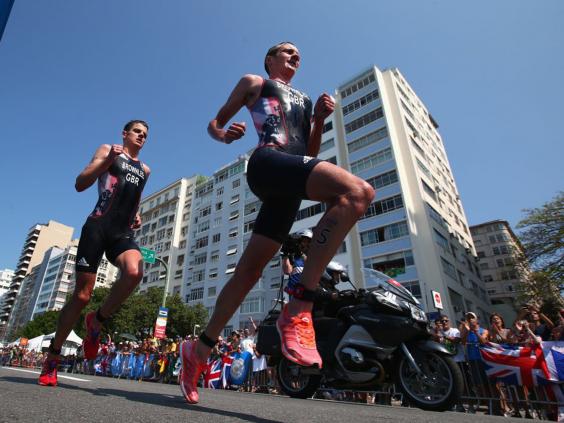
Jonny (left) and Alistair Brownlee running in the triathlon in Rio
 
Having weight loss and other health-related goals can help keep you motivated. But having unrealistic expectations can actually work against you.
Researchers analyzed data from several weight loss center programs. They reported overweight and obese women who expected to lose the most weight were the most likely to drop out of a program after 6 to 12 months.
Adjust your expectations to a more realistic and modest goal, such as a 10% drop in weight in one year. This can help prevent you from getting discouraged and improve your chances for success.

Bottom Line: Unrealistic expectations can lead to frustration and giving up altogether. Make your goals more modest to increase your chances of successful weight loss.

12. Not tracking what you eat in any way 
web-diary-planning-calendar-RF-getty-c.jpg

Eating nutritious foods is a good weight loss strategy. However, you may still be eating more calories than you need to lose weight.
What’s more, you may not be getting the right amount of protein, fiber, carbs and fat to support your weight loss efforts.
Studies show that tracking what you eat can help you get an accurate picture of your calorie and nutrient consumption, as well as provide accountability.
In addition to food, most online tracking sites and apps allow you to enter your daily exercise as well. Here is a review of several popular calorie tracking tools.

Bottom Line: If you’re not tracking what you eat, you may be consuming more calories than you realize. You may also be getting less protein and fiber than you think.

13. Still drinking sugar
juice-istock.jpg

Many people cut soft drinks and other sweetened beverages out of their diet to lose weight, which is a good thing. However, drinking fruit juice instead isn’t smart.
Even 100% fruit juice is loaded with sugar and may lead to health and weight problems similar to those caused by sugar-sweetened beverages.
For instance, 12 ounces (320 grams) of unsweetened apple juice contain 36 grams of sugar. That’s even more than in 12 ounces of cola.
What’s more, liquid calories don’t seem to affect the appetite centers in your brain the same way calories from solid foods do.
Studies show that you end up consuming more calories overall, instead of compensating for the liquid calories by eating less later in the day.

Bottom Line: If you cut out sugar-sweetened beverages but continue drinking fruit juice, you’re still getting a lot of sugar and are likely to take in more calories overall.

14. Not reading labels
Failing to accurately read label information can cause you to consume unwanted calories and unhealthy ingredients.
Unfortunately, many foods are labeled with healthy-sounding food claims on the front of the package. These may give you a false sense of security about choosing a certain item.
To get to the most important information for weight control, you need to look at the ingredients list and nutrition facts label, which are on the back of the container.
You can find out more about how to read food labels in this article.

Bottom Line: Food labels provide information on ingredients, calories and nutrients. Make sure you understand how to accurately read labels.

15. Not eating whole, single-ingredient foods 
One of the worst things you can do for weight loss is to eat a lot of highly processed foods.
Animal and human studies suggest that processed foods may be a major factor in the current epidemic of obesity and other health problems.
Some researchers believe this could be due to their negative effects on gut health and inflammation. Whole foods tend to be self-limiting, meaning they are hard to overconsume. By contrast, it’s very easy to overeat processed foods.
When possible, choose whole, single-ingredient foods that are minimally processed.

Source:

Sunday, 18 June 2017

The 10 Rules of Weight Loss That Lasts

Before You Even Begin

Before you even begin to attack a weight-loss plan, it pays to remember this: You are not fat. You have fat. Losing weight isn't about blame or shame; it's simply another achievement to accomplish, like training for a race or finally cranking out 10 push-ups. "Dieting is like any other skill—you have to buckle down and work at it," says therapist Deborah Beck Busis, Ph.D., the diet program coordinator at the Beck Institute for Cognitive Behavior Therapy and a coauthor of The Diet Trap Solution. "As long as you act in a smart, reasonable way, you'll ultimately get where you want to be."
To help you reach your goal weight and maintain it, we examined the latest research and talked to top experts to compile the 10 tenets for weight loss that have been proved to deliver results.

1. It's Not a Diet. It's a Lifestyle

"Thinking of a diet as something you're on and suffering through only for the short term doesn't work," Beck Busis says. To shed weight and keep it off, you need to make permanent changes to the way you eat. It's OK to indulge occasionally, of course, but if you cut calories temporarily and then revert to your old way of eating, you'll gain back the weight quicker than you can say yo-yo.


Use it to lose it. Research shows that one of the best predictors of long-term weight loss is how many pounds you drop in the first month, says John Apolzan, Ph.D., an assistant professor at the Ingestive Behavior Lab at Louisiana State University's Pennington Biomedical Research Center. It makes sense: Immediate results are motivating. For that reason, nutritionists often suggest being stricter for the first two weeks of your new eating strategy to build momentum. Cut out added sugar and alcohol and avoid unrefined carbs. "After that, ease small amounts of those foods back into your diet for a plan you can live with for the long term," says Wendy Bazilian, R.D.N., a nutritionist and an exercise physiologist in San Diego and a coauthor of The SuperFoodsRx Diet. "Figure out how you can reincorporate them in a way that's healthy and maintainable," adds Brooke Alpert, R.D.N., a nutritionist and a coauthor of The Sugar Detox. "Establish specific goals, such as setting a maximum number of drinks you'll have a week or limiting pizza to one slice." Schedule one weekly indulgence to look forward to, and give yourself one spontaneous splurge to use whenever you really want it, Bazilian suggests.
Photo: Shutterstock

2. There's a Right Way to Exercise

Working out burns calories and fat and boosts your metabolism by building muscle. But those trying to lose weight are notorious for overestimating the number of calories they burn and underestimating the amount they take in. Unfortunately, your system is biologically programmed to hold on to extra pounds, says Louis Aronne, M.D., a professor of metabolic research and the director of the Comprehensive Weight Control Center at Weill Cornell Medicine. That means when you start exercising, your body senses the deficit and ramps up its hunger signals, according to a review of weight-loss studies. If you're not diligent, you'll eat everything you burn and then some.

Use it to lose it. Cardio gets all the exercise glory, but strength and interval training are the real heroes. They help you build lean muscle, which in turn increases your metabolism and calorie-burning ability, says Lance Dalleck, Ph.D., an assistant professor of exercise and sport science at Western Colorado State University. His advice: Every week, strength-train two to three days. For the best results, also do three to five cardio sessions that burn 250 to 400 calories each.

3. Don't Overreact to Mild Hunger

Some women have a hard time losing weight because of hunger anxiety. To them, being hungry is bad—something to be avoided at all costs—so they carry snacks with them and eat when they don't need to, Alpert explains. Others eat because they're stressed out or bored. While you never want to get to the point of being ravenous (that's when bingeing is likely to happen), a hunger pang, a craving, or the fact that it's 3:00 p.m. should not send you racing for the vending machine or obsessing about the energy bar in your purse. Ideally, you should put off eating until your stomach is growling and it's difficult to concentrate, Alpert says.

Use it to lose it. When you feel the urge to eat, use the HALT method, Bazilian suggests. Ask yourself, Am I really hungry? Or am I angry or anxious, lonely or bored, or tired? If you're still not certain, try the apple test. "If you're truly hungry, an apple should seem delicious; if it doesn't, something else is going on," says Robin Frutchey, a behavioral therapist at Johns Hopkins University Weight Management Center. In that case, give yourself a pep talk instead of a snack. "If hunger isn't the problem, food isn't the solution," Beck Busis says. "There are a lot of other ways to deal with boredom or anxiety—like going for a walk, hitting the gym, or texting a friend—and those things have zero negative consequences."
Photo: Shutterstock

4. Not All Calories Are Created Equal

The mechanics of weight loss are pretty simple: Take in fewer calories than you use for energy. But the kind of food you eat makes all the difference. "A calorie is not just a calorie," Dr. Aronne says. Processed food that's high in saturated fat and refined starch or sugar can cause inflammation that disrupts the hormone signals that tell your brain you're full, he explains. The result: You eat a lot more. Plus, studies show that junk food can be addictive; the more you eat it, the more you need to get the same feel-good effects. "One handful of potato chips won't cut it any longer, so you keep eating and eating," Frutchey says.

Use it to lose it. Clean up your diet. Swap in whole, unprocessed foods, including vegetables, lean protein, and healthy fats that will fill you up and give you the biggest nutritional bang for your calorie buck. In a few weeks, as your brain starts receiving regular hunger and fullness signals once again, you'll notice that you feel less hungry overall and naturally start cutting back on the amount you eat, Dr. Aronne says.
While you're at it, log each meal. Keeping a daily food diary (there are tons of apps for this) leads to significant weight loss because it makes you accountable, research shows. One study published in the American Journal of Preventive Medicine found that people who kept daily food records lost about twice as much weight as those who didn't.
Photo: Shutterstock

5. Protein, Produce, and Plant-Based Fats Are Your Weight-Loss Trinity

Here's why eating the three Ps regularly will help you drop pounds.
Protein fills you up. You need it to build lean muscle, which keeps your metabolism humming so that you can torch more fat, Dr. Aronne says. People in a weight-loss program who ate double the recommended daily allowance for protein (about 110 grams for a 150-pound woman) lost 70 percent of their weight from fat, while people who ate the RDA lost only about 40 percent, one study found.
Produce is packed with filling fiber. "It's very difficult to consume too many calories if you're eating a lot of vegetables," says Caroline Apovian, M.D., the director of the Nutrition and Weight Management Center at Boston Medical Center and the author of The Age-Defying Diet. Case in point: Three cups of broccoli is a lot of food, yet only 93 calories. (Fruit is another story. It can be easy to overeat and can contain a lot of calories from sugar, so be sure
to monitor your intake.)

Plant-based fats like olive oil and those in avocados and nuts are healthy and extra satiating. "Low-fat diets make people irritable and feel deprived because fat tastes good and keeps you full," Dr. Apovian says.

Use it to lose it. Aim to incorporate each of the three Ps into every meal and snack. People who eat protein throughout the day are able to keep weight off, according to a study in the American Journal of Clinical Nutrition. In addition to meat, poultry and seafood, good sources are beans, lentils, eggs, tofu, and yogurt. As for fat, keep portion sizes in check by measuring out salad dressing, oil, and nut butters (shoot for one to two tablespoons). Finally, eat veggies or a little fruit at every meal. People who did that consumed 308 fewer calories but didn't feel any hungrier than when they didn't eat more produce, a study in the journal Appetite noted.
Photo: Shutterstock

6. Meal Skipping, Juice Fasts, and Crash Diets Will Backfire. Always

When you lose weight on a fast or a crash diet, you don't learn to eat healthier, adjust your portion sizes, or deal with whatever is triggering your overeating in the first place, so the pounds quickly return, Frutchey says. The physical damage goes deeper. "The worse the quality of a diet or the more restrictive it is, the more you end up burning precious muscle to supply energy," Dr. Aronne says. "You're losing muscle instead of fat, so the weight loss is just an illusion of success."

Use it to lose it. Depending on how much weight you need to drop and how much you currently eat, try to cut 500 to 1,000 calories a day through both diet and exercise, Frutchey advises. Limiting yourself to about 1,500 calories a day won't leave you starving, but it will help you see motivating changes on the scale.

7. How You Eat Is As Important As What You Eat

In order for your brain to register that you're full, you need to focus on what you're eating. "Physical satiety is closely tied to psychological satisfaction," Beck Busis says. "People tell me all the time how difficult it is for them to lose weight because they love to eat, yet they never concentrate on their food—they eat while watching TV, reading, driving, and working." No wonder that, according to research, eating when you're distracted results in consuming a significant number of extra calories a day.

Use it to lose it. Sit down whenever you eat, preferably at a table. "If you ask someone to recall what she ate in a day, she'll forget most of the food she consumed standing up," Beck Busis says. Turn off the TV or computer, put down your phone, and look at your food. Smell it. Chew slowly, and don't put another bite on your fork until you swallow. When women ate lunch this attentively, they consumed 30 percent less when snacking later than those who listened to an audiobook at lunchtime, according to a study in the British Journal of Nutrition.
Photo: Shutterstock

8. Weighing Yourself Really Works

The scale provides the best evidence about whether your efforts are paying off, Beck Busis says. Seeing the numbers tick up or down or stagnate is motivation to keep going—or to rethink your approach. A 2015 study at Cornell University found that daily weigh-ins helped people lose more weight, keep it off, and maintain that loss, even after two years.

Use it to lose it. Step on the scale at the same time every day for the best results. If your weight shoots up several pounds from one weigh-in to the next, don't freak out. Eating a lot of salt the night before or having your period is the likely culprit. The number should return to normal in a day or two. It's a steady climb that you need to do something about.
Photo: Shutterstock

9. Too Much Stress and Too Little Sleep Are Your Enemies

When you're tired and frazzled, your body cranks up the production of cortisol, the stress hormone that can cause carb cravings, Frutchey says. Not getting enough sleep also boosts your levels of ghrelin, a hormone associated with hunger, while suppressing leptin, a hormone that signals fullness and satiety. People on a diet who slept only five and a half hours a night for two weeks lost 55 percent less fat and were hungrier than those who slept eight and a half hours, according to a study in the Canadian Medical Association Journal.

Use it to lose it. Prioritize sleep, aiming for seven hours or more a night, which research shows helps lower stress. And make sure you're getting quality zzz's. If a snoring spouse or a fidgety cat wakes you up frequently throughout the night, you may end up getting the equivalent of just four hours of sleep, according to a study from Tel Aviv University. Keep pets out of the bedroom, and use a white-noise app to drown out snoring.
Photo: Shutterstock

10. You Will Hit a Plateau—And You Can Bust Through It

As you slim down, your body releases much less leptin, the fullness hormone. "If you lose 10 percent of your body weight, leptin drops by about 50 percent," Dr. Aronne says. "Your brain is programmed to think you've shed more pounds than you actually have, and it tells your body it needs more food and should burn fewer calories." That's why plateaus happen and what makes maintaining weight loss so difficult. In addition, when you're lighter, you require fewer calories for energy. "You might have burned 100 calories taking a walk before, but now your body needs only 80 calories to go the same distance," Frutchey explains.

Use it to lose it. We'll reiterate: If you're not strength training, start right now. Building muscle can raise your metabolism to help you overcome a plateau, Dr. Aronne says. To keep your body challenged and burning calories, incorporate new moves and more intense intervals into your workouts or add another sweat session to your weekly routine. Alternatively, cut an extra 100 calories or so a day from your diet. Now that you've lost weight, your body simply doesn't need as much fuel. Still stuck? Try eating carbs last at every meal, after your protein and vegetables, Dr. Aronne suggests. His research shows that doing so will reduce your blood sugar by almost 40 percent. "Blood sugar influences weight," he explains, "so this strategy could help."

Source:

Weight loss diet: Five vitamins and minerals that slash fat and build muscle

IF YOU want to get ripped make sure you include these five nutrients in your diet. Eating healthy foods and exercising is the bes...