Showing posts with label Losing Weight. Show all posts

Tuesday, 3 October 2017

How to motivate yourself to lose weight and find the motivation to get fit

Renee Zellweger in Bridget Jones's Diary 
Loosing weight is tough, but rewarding

Getting motivated to start a diet and exercising can often be the hardest part of the diet. But fear not because help is at hand. We spoke to Anthony Healy, a personal trainer at Vivacia, about why motivation is so important for successfully loosing weight, “Weight loss is anything but easy".

The reason Katie Hopkins was so successful in her recent weight loss TV show is because she is so incredibly motivated! Her entire identity, TV persona, and livelihood is wrapped up in its success.

Failure is simply not an option!”

So how do you muster that motivation?

Here are Anthony's top tips on how to motivate yourself to lose weight:

1. Decide why you want to lose weight

Is is to look good in a bikini, to feel better about yourself or another reason?

2. Set goals

'Lose weight' is too vague. You need a clear and achievable goal, such as 'lose 10lb in 10 weeks'. Write down how you're going to achieve this, such as 'run three times a week' or 'go to the gym every Monday, Wednesday and Friday' and STICK TO IT.

2. Create visual goals

Visual cues are a great motivator. If you want to look good on the beach in a size 10 bikini then buy that bikini (or dress for special occasion/favorite pair of jeans) and hang it outside your wardrobe.

3. Write a morning mantra

Write and then read a motivational mantra every day. Make the goal seem like something that has already having been achieved,
E.g. “I have successfully lost 10lbs, and I am about to board the plane for Spain at Heathrow airport. I can’t wait to get to the beach in my yellow bikini….”
By doing so you get the good feelings associated with the goal ahead of time.

4. Kick the bad habits

Long term transformations take time.
To get quick results and keep the weight off you need to kick bad habits.
In the beginning you need to go cold turkey. For many people the enemy is booze, processed food and/or sugar in all its forms - most obviously, chocolate and sweets.
Giving these up for at least 6-12 weeks "breaks the back" of the usual suspects, forms some good eating habits, and brings about those quick results - which will keep you motivated and “hungry” for more success.

5. Think positive

With sufficient motivation anything is achievable, and those obstacles can now be overcome.

More tips on getting your weight loss started!

Outspoken weight loss guru Steve Miller of Sky1's Fat Families shares his tips on how you can stop complaining you're fat - and actually lose weight.

Carry a mirror

In order to eat healthily, it’s really important to watch your portion sizes. To help you do this, carry a mirror everywhere you go, ensuring you remind yourself of how fat you are, which will automatically motivate you to eat less.

Be your own weight loss whip

This may sound odd, but you need to give yourself some tough love. Motivating yourself is not just about carrot, it’s also about stick – you need to whip yourself into controlling your eating. Without control, it’s too easy to get carried away bingeing on treats and then swilling them down with booze.

Ditch the fat feeding excuse

Year after year, many people say, "Oh I’ve put so much weight on over Christmas, I may as well eat what I want." This is just an excuse. Stop making them. Always remind yourself to stop eating when you feel full, and then take your mind into something non-food related.

Keep treats hidden

Or don’t buy them at all. Out of sight will mean out of mind. You won’t be able to resist if you have chocolates and biscuits lying around the house.

Ditch diets

The first and immediate step is never ditch junk food all together. Instead, create a diet plan and live each day eating healthily 80 per cent of the time and eating some junk for 20 per cent of the time.
This way you’ll ensure you don’t deny yourself, which can lead to bingeing.

Steer clear of conflict

  After the stresses of the holidays, new year can be the time of year when we rub each other up the wrong way and end up having a number of verbal brawls. Steer clear of them, otherwise you will probably end up comfort eating. Bite your tongue and walk away as soon as you sense you are about to throw a verbal bullet.

Carry a warning sign

Make yourself a credit card size warning sign that reads, "If you are fat THINK before eating." Look at it before you eat to help you control what you consume, and how much. The truth hurts, but the truth is the truth.

Try on the frock

Just before you sit down to eat at home, pop to the bedroom and try on that dress you are desperate to fit into. Let it motivate you to control your food intake.

Wednesday, 23 August 2017

Blood Type Diet: Eating for Types O, A, B, & AB


The Blood Type Diet

The Promise

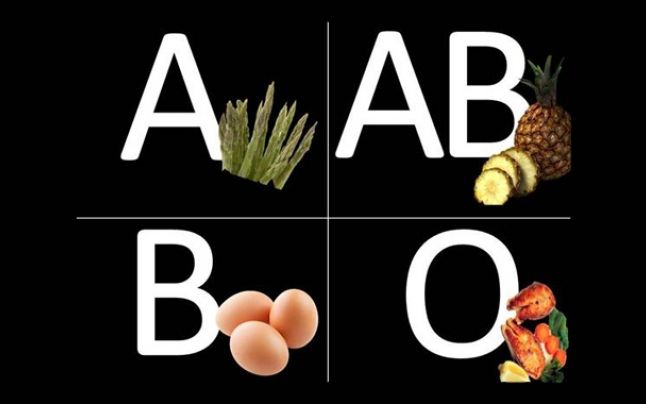
Could eating a diet based on your blood type -- O, A, B, or AB -- help you trim down and get healthier? That's the idea behind the Blood Type Diet, created by naturopath Peter J. D'Adamo.
D'Adamo claims that the foods you eat react chemically with your blood type. If you follow a diet designed for your blood type, your body will digest food more efficiently. You'll lose weight, have more energy, and help prevent disease.

Image result for blood group dietWhat You Can Eat

That depends on your blood type. Here's what D'Adamo recommends for each type:

Type O blood: A high-protein diet heavy on lean meat, poultry, fish, and vegetables, and light on grains, beans, and dairy. D'Adamo also recommends various supplements to help with tummy troubles and other issues he says people with type O tend to have.

Type A blood: A meat-free diet based on fruits and vegetables, beans and legumes, and whole grains -- ideally, organic and fresh, because D'Adamo says people with type A blood have a sensitive immune system.

Type B blood: Avoid corn, wheat, buckwheat, lentils, tomatoes, peanuts, and sesame seeds. Chicken is also problematic, D'Adamo says. He encourages eating green vegetables, eggs, certain meats, and low-fat dairy.

Type AB blood: Foods to focus on include tofu, seafood, dairy, and green vegetables. He says people with type AB blood tend to have low stomach acid. Avoid caffeine, alcohol, and smoked or cured meats.

Level of Effort: High

If you don't already know your blood type, you'll need to find that out. The results will determine exactly what you need to do.
Limitations: Depending on your blood type, you may need to severely restrict the foods you eat.
Cooking and shopping: Your blood type will determine your shopping list and your choices when eating out.
Packaged foods or meals? None required.
In-person meetings? No.
Exercise: The Blood Type Diet recommends exercises based on your blood type. For instance, it suggests yoga or tai chi for type A’s, and vigorous aerobic exercises like jogging or biking for up to an hour a day for type O’s.

Does It Allow for Dietary Restrictions or Preferences?

Because the diet dictates that you eat very specific types of food based on your blood type, it doesn't allow much for personal tastes.
For example, if you're a big fan of meat and potatoes, you won't be very happy on the type A diet, which is mostly vegetarian.
There are even recommendations about the types of spices and condiments you can use.
If you're looking for a diet that's gluten-free, you should know that this diet doesn't ban gluten. You may be able to make choices that are gluten-free, if you read food labels carefully.

What Else You Should Know

Cost: D'Adamo recommends a lot of specialty and organic foods (such as soy milk and carob chip cookies), which can be pricey. Vitamin and herbal supplements are also part of the diet.
Support: You do this diet on your own.

What Dr. Melinda Ratini Says:

Does It Work?
One study found that adults eating the type A diet showed improved health markers, but this occurred in everyone, not just those with type A blood type. In 2013, a major review concluded that no evidence exists to support benefits of blood type diets.
It's likely that you would lose weight, though, because the diet can be very restrictive.

Is It Good for Certain Conditions?
The Blood Type Diet makes recommendations based solely on your blood type. So, if you have a chronic condition (say, diabetes), you may be told to eat high protein, while another person with diabetes may have to avoid dairy or chicken. This may conflict with your diabetes treatment plan.
The American Diabetes Association recommends a more practical approach to your day-to-day eating. It also cautions against focusing on specific foods. In most cases it doesn't recommend cutting out any major food groups.
The Blood Type Diet also fails to address other conditions such as heart disease, high blood pressure, or cholesterol. Any needed weight loss is sure to have a positive impact on these conditions. But no matter your blood type, you should follow the same guidelines issued by The American Heart Association (AHA) for a low-fat and low-salt diet.
Also, everyone should aim for 150 minutes of aerobic exercise per week and at least 2 days of strength training per week.

The Final Word
On The Blood Type Diet, you’ll avoid processed food and simple carbs. That may be enough to help you lose some weight. But any weight loss on this diet has not been linked to your blood type.
There’s also no research proving that this diet can aid in digestion or give you more energy.
Although you'll buy and prepare your own foods on this plan, your choices are limited depending on your blood type. So be prepared to spend some time in the kitchen.
The diet may quickly become expensive, too, since the author recommends you buy organics as well as his own line of supplements.
If the Blood Type Diet intrigues you, consider this: The science is stacked behind traditional recommendations for healthy eating for weight loss -- not restrictions based on the type of your blood.

Source:

Tuesday, 22 August 2017

Can Eating Too Few Calories Stall Your Metabolism?

Learn why cutting out too many calories can keep you from losing weight.


If you're like most people who want to lose weight, you want to lose it fast. So you may be tempted to make drastic changes in your diet to dramatically reduce the number of calories you consume. But what you may not know is that eating too few calories can actually backfire and sabotage your weight-loss efforts.

"It would make sense to stop eating [when you are trying to lose weight], but it actually works in the opposite way," says Kimberly Lummus, MS, RD, Texas Dietetic Association media representative and public relations coordinator at the Austin Dietetic Association in Austin, Texas.

Calories and Your Health
The most effective way to lose weight is to consume fewer calories than you expend, creating a calorie deficit. But if your calorie intake dips too low, says Lummus, your body could go into starvation mode. "Your body will start to store fat because it thinks it is not going to get anything," says Lummus. "You will be at a point where your body is kind of at a standstill."
Lummus says that when your body goes into starvation mode, your metabolism slows to a crawl, burning calories as slowly as possible to conserve its energy stores. This is why people who cut their calories too much may reach a plateau and stop losing weight.
Eating too few calories can be the start of a vicious cycle that causes diet distress. When you cut your calories so low that your metabolism slows and you stop losing weight, you probably will become frustrated that your efforts are not paying off. This can lead you to overeat and ultimately gain weight.
"It is so hard to sustain cutting calories and eating too little. What typically happens is that the person will go in the opposite direction; they will just become too hungry and go into a binging mode," says Lummus. "Because you are getting frustrated by not seeing any weight loss, you just sort of throw in the towel."

Jillian Michaels: 3 Tips for Losing Those Last 10 Pounds

Why is it so hard to lose the last 10 pounds? Jillian Michaels shares her secrets for shedding that stubborn weight.
In addition to sabotaging your weight-loss efforts, eating too few calories can also harm your health. When your body goes into starvation mode, you are at increased risk for the following:
  • Abnormally low blood pressure and slow heart rate
  • Heart rhythm abnormalities
  • Electrolyte imbalances, especially potassium deficiency
  • Gallstones
  • Hair loss
  • Brittle fingernails
  • Loss of menstrual periods in women
  • Soft hair growth over entire body
  • Dizziness
  • Trouble concentrating
  • Anemia
  • Swelling in your joints
  • Brittle bones
  • Depression
Coming to Terms With Calories
Remember that calories are not your enemy. They are a vital part of a healthy and energetic life. "Your body needs a certain amount of calories just to sustain proper function," says Lummus. This is why fad diets that force you to cut out too many calories leave you feeling lethargic, shaky, and ready to give up.
Instead of opting for a fad diet, find a reasonable eating and exercise plan that allows you to lose one-half to two pounds per week. There is evidence that people who lose weight at this rate — by making better nutrition choices, eating smaller portion sizes, and exercising — also have the best chance of keeping it off. Make a plan to adopt new healthful habits that you will be able to stick to indefinitely, and always allow yourself a little wiggle room for special occasions.

Source:

Monday, 14 August 2017

Vegetarian Dieting May Lead to Greater Weight Loss


Some people have reported finding it easier to lose weight by going veggie A balanced diet is important for people with diabetes"Dieters who follow a vegetarian eating plan lose nearly twice as much weight," the Daily Mail reports following the results of a new study. 

Researchers randomly assigned two groups of people with type 2 diabetes to either a vegetarian diet or a standard weight loss diet. They found those on the vegetarian diet lost more weight and more body fat.
Both diets involved reducing daily calorie consumption by 500 calories a day. The standard weight loss diet in this study is a diet recommended for people with diabetes. The vegetarian diet consisted of leafy vegetables, nuts, fruit, and grains.

After six months, researchers found those in the vegetarian group had lost about twice as much weight as those in the other group – 6.2kg, compared with 3.2kg. 

But this isn't surprising – more people stuck to this diet compared with those on the standard weight loss diet. 

The media failed to make it clear that the study was carried out on overweight people with type 2 diabetes, and therefore the findings may not apply to other people trying to lose weight.
If you have type 2 diabetes and you're overweight, you should aim to lose weight as this will help control your symptoms. Some people may benefit from switching to a vegetarian diet, but it's not a magic bullet.

The important thing if you're trying to lose weight is to reduce your daily calorie intake and get more exercise. Learn more in the weight loss guide.

Where did the story come from?

The study was carried out by researchers from the Institute for Clinical and Experimental medicine, Charles University, and the Institute of Endocrinology, all in the Czech Republic, and the Physicians Committee for Responsible Medicine in the US.
It was funded by a project grant from the Ministry of Health in Prague.
The study was published in the peer-reviewed Journal of the American College of Nutrition on an open access basis, so it's free to read online.
The UK media's coverage of the study was generally accurate, although the Mail's claim that "vegetarian dieters find their eating plan and exercise routine easier to stick to" was unfounded. 
There may be many reasons why a few more participants in the vegetarian group stuck to their diet. And, because of the small numbers involved in the study (37 in each group), the results could be down to chance.

What kind of research was this?

This randomised controlled trial (RCT) involved participants with type 2 diabetes who either had a vegetarian diet or a conventional diabetic diet. They then had their fat measures taken.
An RCT is the best way of comparing the effect of diets on health outcomes, as it allows control over other variables that might potentially affect the results.

What did the research involve?

The researchers took a group of 74 men and women who had type 2 diabetes and assigned half of them to a vegetarian diet and the other half to a conventional diabetic diet.
All the participants had a body mass index (BMI) over 25, meaning they were overweight.
The researchers followed them at three months and six months to measure how much weight they'd lost.
Both diets were calorie restricted (reduced by 500 kcal per day). The vegetarian diet consisted of vegetables, grains, legumes, fruits, and nuts, and was around 60% carbohydrates, 15% protein and 25% fat. The conventional diabetic diet was made up of around 50% carbohydrates, 20% protein, and less than 30% fat.
Adherence to the diets was measured as part of the research. High adherence was defined as daily energy intake of no more than 100kcal in excess of what had been prescribed, while medium adherence was no more than 200kcal in excess. 
Participants were asked to not alter their existing exercise habits for the first 12 weeks, and were then prescribed tailored exercise programmes to do three times a week.
MRI scans of the participants' thigh muscles were taken at baseline, three months, and six months. Two types of fat were measured: fat just under the connective tissues (subfascial) and fat just under the skin (subcutaneous).

What were the basic results?

The vegetarian diet was almost twice as effective at reducing body weight compared with the conventional diet.
Overall, participants lost 6.2kg (95% confidence interval [CI] -6.6 to -5.3) on the vegetarian diet, versus 3.2kg (95% CI -3.7 to -2.5) on the standard weight loss diet.
The greater weight loss seen in people on the vegetarian diet was also accompanied by greater muscle loss of -5.0cm2 (95% CI -5.7 to -4.3) versus -1.7cm2 (95% CI -2.4 to -1.0).
Subfascial fat was only reduced in those who were on a vegetarian diet (-0.82 cm2, 95% CI -1.13 to -0.55).
When it came to sticking to the diet, there was:
  • high adherence in 55% of the participants on the vegetarian diet and in 32% on the conventional diet
  • medium adherence in 22.5% of participants on the vegetarian diet and in 39% on the conventional diet
  • low adherence in 22.5% of participants on the vegetarian diet and in 29% on the conventional diet

How did the researchers interpret the results?

The authors concluded that their data "indicate that a vegetarian diet is more effective in reducing subfascial fat and tends to also reduce intramuscular fat more than a conventional hypocaloric diabetic diet.
"Our data suggest the importance of both subcutaneous and subfascial fat in relationship to glucose and lipid metabolism."
They say that, "Further research is needed to determine how dietary interventions with different diet composition can influence thigh fat distribution in relationship to glucose and lipid metabolism." 

Conclusion

This research appears to show that there's some association between following a vegetarian diet and a greater reduction in body mass and subfascial fat.
But this study has a number of limitations, and the conclusions drawn by the researchers should be interpreted cautiously.
  • There was lower adherence to the diet in the conventional diet group than the vegetarian one. This means the finding of a greater reduction in body mass in the vegetarian group is unsurprising.
  • The thigh was the only part of the body where fat measurements were taken. It could be the case that reduction in abdominal fat – a big risk factor for type 2 diabetes – didn't differ between the groups.
  • The proportion of fat recommended in the vegetarian diet was lower than in the conventional diet, so it would be expected that fat reductions would be greater in the vegetarian group.
  • The vegetarian diet was actually almost vegan, as the only animal product allowed was a small amount of yoghurt. Following a vegetarian diet without these extra restrictions might not bring about the same results.
  • The vegetarian group also lost more muscle mass than the conventional group, particularly when doing their usual exercise routine. This might be an unwanted outcome and a disadvantage when compared with the usual diet.
  • The study involved a relatively small sample of overweight people with type 2 diabetes. The findings may not be applicable to the general population.
Based on the findings of this study, we can't say that a vegetarian diet is more beneficial than a conventional diet for people with type 2 diabetes.
What we can say is that the vegetarian diet resulted in greater weight loss, and a reduction in some types of bodily fat, for the people who took part in this small study.
The additional loss of muscle mass might mean it's not preferable to the conventional diet currently recommended for people with diabetes.
If you have type 2 diabetes and are concerned about your weight, talk to your GP or diabetes care team. Achieving a healthy weight should help you control your symptoms and reduce the risk of complications.

Sunday, 13 August 2017

8 Things You Always Wanted to Know about Dieting


Common Diet Questions Answered

Your best friend has the "secret" to guaranteed weight loss. So does the star of your favorite TV show. Your doctor advised you to just "eat less and exercise more." Your neighbor thinks all you have to do is give up bread. No wonder you're feeling confused! Here we tackle eight common diet questions and sort out the truth once and for all.

1.  How many calories should I eat so I don't go into "starvation mode?"
The amount of calories you need to eat to prevent your metabolism from slowing down (what people refer to as "starvation mode") will differ from person to person, depending on how much weight you need to lose and your genetics.  Most women shouldn't eat less than 1,200 calories a day (1,500 for men) simply because it's becomes really difficult to get adequate nutrition (fats, carbs, proteins, vitamins and minerals) to maintain health at such lower calorie levels. In general, to lose weight at a healthy rate that won't harm your body (or sap your energy levels), you should aim for no more than 1-2 pounds of weight-loss per week. (A pound of fat is roughly equal to 3,500 calories, so you'll need to cut or burn 500-1000 calories per day.) SparkPeople.com makes all of this simple by giving you a personalized daily calorie range (plus food and fitness trackers, meal plans and more) to reach your goal weight.

2.  Is there one food that I should absolutely avoid to lose weight?
The simple answer is no. "Remember that no single food causes weight gain," explains Registered Dietitian Becky Hand. "Weight management is based on total calorie intake—not the total restriction of certain foods, ingredients or food groups. All foods can fit into a healthy eating plan." Avoiding particular foods completely may cause you to crave them more, which could lead to binge eating for some people. For example, instead of banning chocolate from your life, you'll need to find a way to enjoy it in moderation, especially since you are likely to encounter the temptation of this food even if you don't keep it at home. The easiest way to do this is to find small portions that are individually packaged to prevent you from "reaching into the economy-sized bag" for more. Or, just get into the habit of putting anything you're going to eat on a plate and putting the rest of the package away to reduce the temptation to have "seconds." However, the biggest concern with cutting out whole food groups (think grains or dairy) is that you run the risk of eliminating essential nutrients from your diet that could actually make it more difficult for you to lose weight. While eliminating "non-essential" foods like soda, sugar, sweets and the like can help you lose weight and enhance your health, people lose and maintain weight loss and improve their health simply by cutting back on these foods rather than eliminating them entirely.

3. Should I do all my cardio in the "fat-burning zone" to lose more weight?
While it's true that exercising at a low intensity (in the "fat-burning zone") will burn a higher percentage of calories from stored fat than  glucose in your blood, exercising at a moderate or high intensity level will burn more overall calories including more total stored fat. When it comes to weight loss, calories burned (not the actual source of those calories) matters most, so work harder for better results (if your fitness level allows it). Interval training is another great option for maximizing calorie burn.

4. Can I still lose weight if I allow myself a "cheat-day" once a week
Maybe. There is no scientific evidence one way or the other that "cheat days" help or hurt weight-loss efforts. You have to decide for yourself the best way to incorporate your favorite foods into a healthy eating plan. If it motivates you to save a certain number of calories from your recommended range during the week to splurge on the weekend, you probably won't hurt your progress. The other option is to incorporate small portions of high-calorie foods into your eating plan on a regular basis. Learning to eat everything in moderation and not to "fear" or ban certain foods will help you maintain healthy habits over the long term.

5. Do I have to be hungry all the time to lose weight?
Absolutely not! If you feel hungry all the time, you will be less likely to stick to a healthy eating plan for very long. When you start reducing your calories, you could feel hungrier for a little while (7-10 days) until you get used to your new diet plan. To combat this, the trick is to choose foods that will make you feel full longer, which also tend to be the healthiest foods to eat in general (double bonus!). Filling foods include fruits and vegetables, lean proteins, beans and lentils, and whole grains, as a few examples. Also make sure you stay well hydrated by drinking at least 8 cups of plain water a day. It's easy to mistake the symptoms of thirst for hunger. Finally, if hunger is derailing your eating plan, you might want to experiment with eating several small meals a day.

6. I haven't lost weight in a few weeks even though I'm following my plan. What am I doing wrong?
Maybe nothing. Weight-loss stalls or plateaus are a totally normal part of any weight-reduction plan and should be expected from time to time. It's possible that you're building muscle, which makes it look like you're not losing weight even though you're losing inches. It might be time to change things up because your body has gotten used your current exercise plan. Or you may be off-track with your eating plan.   The first solution is to double check that you're actually sticking to your eating plan. Are you tracking everything you eat and drink (weighing or measuring food versus just eyeballing and estimating it)? Step two is to make sure you're giving your body enough time to recover from hard workouts. Rest is an important part of any fitness plan and working too hard can actually damage your muscles and cause you to get weaker instead of stronger. And the third step, is to add variety to your workouts. It's easy to do the same things over and over again, but your body will quickly adapt unless you present it with new challenges on a regular basis.

7. Are there supplements I can take to help me increase fat burning?
Probably not. There are plenty of supplements that claim to boost fat-loss but most of them have not been thoroughly studied or proven effective (let alone safe). And the few that have been tested, like ephedra, have been shown to be dangerous (causing high blood pressure, stroke and heart problems). There is one FDA-approved fat blocker that's marketed in its over-the counter form as Alli. This drug (orlistat) is generally considered to be safe but also can come with some unwelcome side effects.

8. Can I lose weight without exercising?
Technically, any weight loss plan that creates a calorie deficit (through diet alone, through exercise alone, or via a combination of the two) will lead to weight loss. But there are many reasons to add exercise to the mix as well. If your new eating plan is really about getting healthy, staying healthy and aging gracefully, then exercise will be an important component of your new lifestyle. Aerobic exercise, like running and walking, has been shown to decrease cholesterol and blood pressure, help prevent or manage the symptoms of depression and improve sleep to name a few. While strength training has been shown to strengthen bones, preserve metabolism-boosting muscle mass that can be lost when dieting and protect joints from injury. In addition, exercising allows you to eat a little more—and still lose weight—and may also speed up your rate of weight loss thanks to the added calorie burn. If you feel overwhelmed by trying to make too many lifestyle changes at once, it's fine to start by focusing on what you're eating. As you get used to your eating plan and it becomes second nature, you can start adding exercise into your daily routine, until that, too, is just a part of your new life.

Source:


Weight loss diet: Five vitamins and minerals that slash fat and build muscle

IF YOU want to get ripped make sure you include these five nutrients in your diet. Eating healthy foods and exercising is the bes...