Showing posts with label Dieting. Show all posts

Tuesday, 17 October 2017

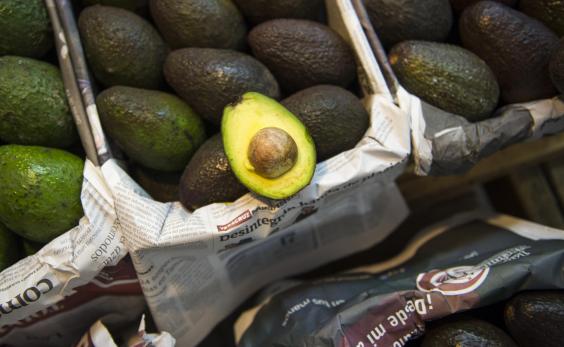
12 Proven Health Benefits of Avocado

The avocado is a rather unique type of fruit.
Most fruit consists primarily of carbohydrate, while avocado is high in healthy fats.
Numerous studies show that it has powerful beneficial effects on health.
Here are 12 health benefits of avocado, that are supported by scientific research.

1. Avocado is Incredibly Nutritious

What we refer to as "avocado" is the fruit of the avocado tree, called Persea americana.
This fruit is prized for its high nutrient value and is added to all sorts of dishes due to its good flavor and rich texture. It is the main ingredient in guacamole.
These days, the avocado has become an incredibly popular food among health conscious individuals. It is often referred to as a superfood... which is not surprising given its health properties.
There are many kinds of avocados, and the shape (from pear-shaped to round) and color (from green to black) can vary between them. They can also weigh anywhere from 8 ounces (220 grams) to 3 pounds (1.4 kg).
The most popular type is called Hass avocado.
It is often called "alligator pear," which is very descriptive because it tends to be shaped like a pear and have green, bumpy skin... like an alligator.
The yellow-green flesh inside the fruit is eaten, but the skin and seed are discarded.
Avocados are very nutritious and contain a wide variety of nutrients, including 20 different vitamins and minerals.
Here are some of the most abundant nutrients, in a single 3.5 ounce (100 gram) serving:
  • Vitamin K: 26% of the RDA.
  • Folate: 20% of the RDA.
  • Vitamin C: 17% of the RDA.
  • Potassium: 14% of the RDA.
  • Vitamin B5: 14% of the RDA.
  • Vitamin B6: 13% of the RDA.
  • Vitamin E: 10% of the RDA.
  • Then it contains small amounts of Magnesium, Manganese, Copper, Iron, Zinc, Phosphorous, Vitamin A, B1 (Thiamine), B2 (Riboflavin) and B3 (Niacin).
This is coming with 160 calories, 2 grams of protein and 15 grams of healthy fats. Although it contains 9 grams of carbs, 7 of those are fiber so there are only 2 "net" carbs, making this a low-carb friendly plant food.
Avocados do not contain any cholesterol or sodium, and are low in saturated fat. I personally don't think that matters, but this is one of the reasons they are favored by many "old school" experts who still believe these things are inherently harmful.
Bottom Line: Avocado is a green, pear-shaped fruit often called an “alligator pear.” It is loaded with healthy fats, fiber and various important nutrients.

2. They Contain More Potassium Than Bananas

Potassium is a nutrient that most people aren't getting enough of .
This nutrient helps maintain electrical gradients in the body's cells and serves various important functions.
Avocados are actually very high in potassium... with a 100 gram (3.5 ounce) serving containing 14% of the RDA, compared to 10% in bananas, which are a typical high potassium food.
Several studies show that having a high potassium intake is linked to reduced blood pressure, a major risk factor for heart attacks, strokes and kidney failure.
Bottom Line: Potassium is an important mineral that most people don't get enough of. Avocados are very high in potassium, which should support healthy blood pressure levels.

3. Avocado is Loaded With Heart-Healthy Monounsaturated Fatty Acids

Again, avocado is a high fat food.
In fact, 77% of the calories in it are from fat, making it one of the fattiest plant foods in existence.
But they don't just contain any fat... the majority of the fat in avocado is oleic acid.
This is a monounsaturated fatty acid that is also the major component in olive oil and believed to be responsible for some of its beneficial effects.
Oleic acid has been linked to reduced inflammation and been shown to have beneficial effects on genes linked to cancer.
The fats in avocado are also pretty resistant to heat-induced oxidation, making avocado oil a healthy and safe choice for cooking.
Bottom Line: Avocados and avocado oil are high in monounsaturated oleic acid, a "heart healthy" fatty acid that is believed to be one of the main reasons for the health benefits of olive oil.

4. Avocados Are Loaded With Fiber

Fiber is another nutrient found in relatively large amounts in avocado.
Fiber is indigestible plant matter that can contribute to weight loss, reduce blood sugar spikes and is strongly linked to a lower risk of many diseases.
A distinction is often made between soluble and insoluble fiber.
Soluble fiber is known to be able to feed the friendly gut bacteria in the intestine, which are very important for the optimal function of our bodies.
A 100 gram (3.5 ounce) serving of avocado contains 7 grams of fiber, which is 27% of the recommended daily amount.
About 25% of the fiber in avocado is soluble, while 75% is insoluble.
Bottom Line: Avocados tend to be high in fiber, about 7% by weight, which is very high compared to most other foods. Fiber can have various important benefits for weight loss and metabolic health.

5. Eating Avocados Can Lower Cholesterol and Triglyceride Levels

Heart disease is the most common cause of death in the world.
It is known that several blood markers are linked to an increased risk.
This includes cholesterol, triglycerides, inflammatory markers, blood pressure and various others.
The effects of avocado on some of these risk factors has been studied in 8 human controlled trials.
These are studies where people are split into groups... one group is instructed to eat avocados, while the other is not. Then researchers see what happens to their blood markers over time.
These studies have shown that avocados can:
  • Reduce total cholesterol levels significantly.
  • Reduce blood triglycerides by up to 20%.
  • Lower LDL cholesterol by up to 22%.
  • Increase HDL (the "good") cholesterol by up to 11%.
One of the studies showed that including avocado in a low-fat vegetarian diet led to improvements in the cholesterol profile.
Unfortunately, all of the human studies were small (13-37 subjects) and short-term (1-4 weeks), but the results were impressive nonetheless.
Bottom Line: Numerous studies have shown that eating avocado can improve heart disease risk factors like Total, LDL and HDL cholesterol, as well as blood triglycerides.

6. People Who Eat Avocados Tend to be Healthier

One study looked at the dietary habits and health of people who eat avocados.
They analyzed data from 17,567 participants in the NHANES survey in the U.S.
Avocado consumers were found to be much healthier than people who didn't eat avocados.
They had a much higher nutrient intake and were half as likely to have metabolic syndrome, a cluster of symptoms that are a major risk factor for heart disease and diabetes.
People who ate avocados regularly also weighed less, had a lower BMI and significantly less belly fat. They also had more HDL (the "good") cholesterol.
However... correlation does not imply causation and there is no guarantee that the avocados caused these people to be in better health.
Therefore I don't think this particular study carries much weight.
Bottom Line: One dietary survey found that people who ate avocados had a much higher nutrient intake and had a lower risk of metabolic syndrome.

7. The Fat in Them Can Help You Absorb Nutrients From Plant Foods

When it comes to nutrients, the total amount of them is not the only thing that matters.
We also need to be able to absorb them... move them from the digestive tract and into the body, where they can be used.
Some nutrients are "fat soluble," meaning that they need to be combined with fat in order to be utilized.
This includes vitamins A, D, E and K... along with antioxidants like carotenoids.
One study showed that adding avocado or avocado oil to either salad or salsa can increase antioxidant absorption by 2.6 to 15-fold.
So... not only is avocado highly nutritious, it can dramatically increase the nutrient value of other plant foods that you are eating.
This is an excellent reason to always include a healthy fat source when you eat veggies. Without it, a lot of the beneficial plant nutrients will go to waste.
Bottom Line: Studies have shown that eating avocado or avocado oil with veggies can dramatically increase the amount of antioxidants you take in.

8. Avocados Are Loaded With Powerful Antioxidants That Can Protect The Eyes

Not only do avocados increase antioxidant absorption from other foods, they are also high in antioxidants themselves.
This includes nutrients called Lutein and Zeaxanthin, which are incredibly important for eye health.
Studies show that these nutrients are linked to a drastically reduced risk of cataracts and macular degeneration, which are common in the elderly.
Therefore, eating avocados should have benefits for eye health over the long term.
Bottom Line: Avocados are high in antioxidants, including Lutein and Zeaxanthin. These nutrients are very important for eye health and lower the risk of macular degeneration and cataracts.

9. Avocado May Help Prevent Cancer

There is limited evidence that avocado may be beneficial in preventing cancer.
One study showed that it may help reduce side effects of chemotherapy in human lymphocytes.
Avocado extract has also been shown to inhibit the growth of prostate cancer cells.
However, keep in mind that these studies were done in isolated cells and don't really prove anything about what happens in a living, breathing human.
Bottom Line: Some studies in isolated cells have shown that nutrients in avocados may have benefits in preventing prostate cancer, and lowering side effects of chemotherapy in some cells.

10. Avocado Extract May Help Relieve Symptoms of Arthritis

Arthritis is a common problem in Western countries. There are many types of arthritis, and these are often chronic problems that people have for the rest of their lives.
Multiple studies have shown that extracts from avocado and soybean oil, called Avocado and Soybean unsaponifiables, can reduce symptoms of arthritis of the bones, called osteoarthritis.
Whether avocados themselves can have this effect, and not just the extract, remains to be seen.
Bottom Line: Studies have shown that an extract from avocado and soybean oils can significantly reduce symptoms of osteoarthritis.

11. Eating Avocado May Help You Lose Weight

There is some evidence that avocados are a weight loss friendly food.
In one study, people were split into groups. One group was instructed to eat a meal that contained avocado, the other a similar meal without avocado.
Then they were asked a series of questions related to hunger and satiety.
The people eating the avocado felt 23% more satisfied and had a 28% lower desire to eat over the next 5 hours.
If this holds true in the long-term, then including avocados in your diet could help you naturally eat fewer calories and have an easier time sticking to a healthy diet.
Avocados are also high in fiber, and very low in carbs, two attributes that should also help promote weight loss, at least in the context of a healthy, real food based diet.

12. Avocado is Delicious and Easy to Incorporate in The Diet

Not only are avocados healthy, they're also incredibly delicious and go with all sorts of foods.
You can add them to salads and various sorts of recipes, or you can simply scoop them out with a spoon and eat them plain.
They have a creamy, rich, fatty texture and blend well with various other ingredients.
A notable mention is guacamole, which is arguably the most famous use of avocados. It includes avocado along with ingredients like salt, garlic, lime and a few others depending on the recipe.
An avocado often takes some time to ripen and it should feel slightly soft when ripe. The nutrients in avocado can oxidize soon after fleshing it, but if you add lemon juice then that shouldn't happen as quickly.


At the end of the day, avocados are an awesome food. They're loaded with nutrients, many of which are lacking in the modern diet.

They are weight loss friendly, heart healthy and... last but not least, taste incredible.
What more could you ask for in a food?

Tuesday, 10 October 2017

Eat Whatever You Want - But Only Between 9am and 5pm

New eight-hour diet promises weight loss of 10lbs in just one week


As millions of America's resolve to trim down for 2017, a new book has claimed that people can lose weight by eating anything they want, but only during a set eight-hour period.

The 8-Hour Diet: Watch the Pounds Disappear Without Watching What You Eat! authors David Zinczenko and Peter Moore argue that staying up late, and eating around the clock in our 24-hour culture is responsible for the country's high rates of diabetes and obesity. 

According to an excerpt from the book 'Our bodies can’t process the food we eat [after hours], and those calories end up where they shouldn’t - around our bellies and butts.'
Freedom to eat: As millions of America's resolve to trim down for 2013, a new book, The 8-Hour Diet, claims that people can lose weight by eating anything they want, but only during a set eight-hour period


The book claims we can lose ten pounds in a week and up to 20lbs in six weeks, and asks that we choose any eight-hour window for eating, such as 9am to 5pm, or 11am to 7pm.
It explains: 'The advent of artificial light has also led to an artificial extension of our feeding times. Our circadian rhythms have a natural stop sign built into them, and we run into that sign almost every day.


'Our extended eating interval throws our digestive system off-kilter and messes with the many hormones and enzymes that manage it.'
Dr Satchidananda Panda, from the Salk Institute for Biological Studies in La Jolla, California, says in the book: 'My hypothesis is that staying up and eating late may be the cause [of diabetes]. 

'For the past 50 years or so we’ve been staying awake late into the night. That’s when we see the rise of weight problems.'
 
To prove his theory, Dr Panda’s laboratory tested his ideas on mice.
The mice were divided into two groups and put on the same high-calorie, high-fat diet: One group was given the freedom to eat anything at any time of day.
The other mice could eat as much as they wanted but only within an 8-hour time frame. The study went on for 100 days, and it was only the all-day eaters that plumped up.

Dr Panda explains: 'Simply limiting food intake to 8 hours gives you all the benefits - without having to worry about food intake
 
The book explains: 'In the simplest terms, the 8-Hour Diet is a way of extending the period between your last snack and your “breakfast,” giving your body the chance to burn away your fat stores for the energy it needs. And burn them it does.'
This idea isn't new however. A 2007 American Journal of Clinical Nutrition study had researchers divide study participants into two groups, where each group ate the same number of calories.
 
While one group ate all their calories in three meals spread throughout the day, the other practiced intermittent fasting, eating the same number of calories but in a restricted time frame. 

Results showed that participants who ate in a smaller window of time had a 'significant modification of body composition, including reductions in fat mass.'
According to Dr Panda’s research, restricting the time period during which you eat makes your body burn more calories throughout the day - so the longer you eat, the lazier your metabolism becomes. 

However, if you fit you food intake into an eight-hour window, your body burns more calories day and night, as well as preventing disease such as diabetes, as well as heart and kidney disease.
 
In a study at the University of Copenhagen, researchers found that when men fasted every other day for two weeks, the insulin in their bodies grew more efficient at managing blood sugar.

Tuesday, 22 August 2017

15 common mistakes people make when trying to lose weight


Losing weight can seem very tough. Sometimes you feel like you’re doing everything right, yet still not getting results.

You may actually be hindering your progress by following misguided or outdated advice.
Here are 15 common mistakes people make when trying to lose weight.

1. Only focusing on the scale weight 
weight-scales.jpg

It’s very common to feel like you’re not losing weight fast enough, despite faithfully sticking to your diet. However, the number on the scale is only one measure of weight change. Weight is influenced by several things, including fluid fluctuations and how much food remains in your system.
In fact, weight can fluctuate by up to 4 lbs (1.8 kg) over the course of a day, depending on how much food and liquid you’ve consumed.

Also, increased estrogen levels and other hormonal changes in women can lead to greater water retention, which is reflected in scale weight

If the number on the scale isn’t moving, you may very well be losing fat mass but holding on to water. Fortunately, you can do several things to lose water weight.
If you’ve been working out, you may be gaining muscle and losing fat. When this happens, your clothes may start to feel looser — especially around the waist — despite a stable scale weight.
Measuring your waist with a tape measure and taking monthly pictures of yourself can reveal you’re actually losing fat, even if the scale number doesn’t change much.

Bottom Line: Many factors can affect scale weight, including fluid fluctuations, muscle mass gain and the weight of undigested food. You may be losing body fat even if the scale reading doesn’t change much.

2. Eating too many or too few calories
sugar-tax-getty.jpg

A calorie deficit is required for weight loss. This means you need to burn more calories than you consume.

For many years, it was believed that a decrease of 3,500 calories per week would result in 1 lb (.45 kg) of fat loss. However, recent research shows the calorie deficit needed varies from person to person.

You may feel as though you’re not eating very many calories. But in fact, most of us have a tendency to underestimate and under report what we eat.
In a two-week study, 10 obese people reported consuming 1,000 calories per day. Lab testing showed they were actually taking in about 2,000 calories per da.
You may be consuming too many foods that are healthy but also high in calories, such as nuts and cheese. Watching portion sizes is key.
On the other hand, decreasing your calorie intake too much can be counterproductive.
Studies on very low-calorie diets providing less than 1,000 calories per day show they can lead to muscle loss and significantly slow down metabolism.

Bottom Line: Consuming too many calories can stop you from losing weight. On the other hand, too few calories can make you ravenously hungry and reduce your metabolism and muscle mass.

3. Not exercising or exercising too much
exercise-getty.jpg

During weight loss, you inevitably lose some muscle mass as well as fat, although the amount depends on several factors (8). If you don’t exercise at all while restricting calories, you’re likely to lose more muscle mass and experience a decrease in metabolic rate.

By contrast, exercising helps minimize the amount of lean mass you lose, boost fat loss and prevent your metabolism from slowing down. The more lean mass you have, the easier it is to lose weight and maintain the weight loss.

Over-exercising can also cause problems.
Studies show excessive exercise is unsustainable in the long term for most people and may lead to stress. In addition, it may impair the production of adrenal hormones that regulate stress response.

Trying to force your body to burn more calories by exercising too much is neither effective nor healthy.

Lifting weights and doing cardio several times per week is a sustainable strategy for maintaining metabolic rate during weight loss.

Bottom Line: A lack of exercise can lead to loss of muscle mass and lower metabolism. On the other hand, too much exercise is neither healthy nor effective, and it may lead to severe stress.

4. Not lifting weights
weights_RF_Getty.jpg

Performing resistance training is incredibly important during weight loss.
Studies show lifting weights is one of the most effective exercise strategies for gaining muscle and increasing metabolic rate. It also improves overall body composition and boosts belly fat loss.

In fact, a review of 15 studies with more than 700 people found the best strategy of all for weight loss appears to be combined aerobic exercise and weightlifting.

Bottom Line: Weightlifting or resistance training can help boost metabolic rate, increase muscle mass and promote fat loss, including belly fat.

5. Choosing low-fat or “diet” foods 
Processed low-fat or “diet” foods are often considered good choices for losing weight, but they may actually have the opposite effect.
Many of these products are loaded with sugar to improve their taste.
For instance, one cup (245 grams) of low-fat, fruit-flavored yogurt can contain a whopping 47 grams of sugar (nearly 12 teaspoons.
Rather than keep you full, low-fat products are likely to make you hungrier, so you end up eating even more.
Instead of low-fat or “diet” foods, choose a combination of nutritious, minimally processed foods.

Bottom Line: Fat-free or “diet” foods are typically high in sugar and may lead to hunger and higher calorie intake.

6. Overestimating how many calories you burn during exercise
gettyimages-589922100-0.jpg
Mark Cavendish of Great Britain competes in the Cycling Track Men's Omnium Points Race (Getty)
Many people believe that exercise “supercharges” their metabolism.

Although exercise increases metabolic rate somewhat, it may actually be less than you think.
Studies show both normal and overweight people tend to overestimate the number of calories they burn during exercise, often by a significant amount.

In one study, people burned 200 and 300 calories during exercise sessions. Yet when asked, they estimated they had burned over 800 calories. As a result, they ended up eating more (21).
That being said, exercise is still crucial for overall health and can help you lose weight. It’s just not as effective at burning calories as some people think.

Bottom Line: Studies show people tend to overestimate the number of calories they burn during exercise.

7. Not eating enough protein
steak.jpg

Getting enough protein is extremely important if you’re trying to lose weight. Protein has been shown to help with weight loss in several ways.

It can reduce appetite, increase feelings of fullness, decrease calorie intake, increase metabolic rate and protect muscle mass during weight los.
In a 12-day study, people ate a diet containing 30% of calories from protein. They ended up consuming an average of 575 fewer calories per day than when they ate 15% of calories from protein .
A review also found that higher-protein diets, containing 0.6–0.8 grams of protein per lb (1.2–1.6 g/kg), may benefit appetite control and body composition. To optimize weight loss, make sure each of your meals contains a high-protein food.

Bottom Line: High protein intake helps with weight loss by reducing appetite, increasing feelings of fullness and boosting metabolic rate.

8. Not eating enough fiber
cereal_RF_Getty_breakfast.jpg
 
 
A low-fiber diet may be compromising your weight loss efforts.
Studies show a type of soluble fiber known as viscous fiber helps reduce appetite by forming a gel that holds water.
This gel moves slowly through your digestive tract, making you feel full.
Research suggests all types of fiber benefit weight loss. However, a review of several studies found viscous fiber reduced appetite and calorie intake much more than other types (29, 30).
When total fiber intake is high, some of the calories from foods in mixed meals aren’t absorbed. Researchers estimate that doubling daily fiber intake could result in up to 130 fewer calories being absorbed.

Bottom Line: Eating enough fiber can help reduce appetite by filling you up so you eat less. It may also help you absorb fewer calories from other foods.

9. Eating too much fat on a low-carb diet 
avocado.jpg

Ketogenic and low-carb diets can be very effective for weight loss. Studies show they tend to reduce appetite, which often leads to a spontaneous reduction in calorie intake.
Many low-carb and ketogenic diets allow unlimited amounts of fat, assuming that the resulting appetite suppression will keep calories low enough for weight loss.
However, some people may not experience a strong enough signal to stop eating. As a result, they may be consume too many calories to achieve a calorie deficit.
If you’re adding large amounts of fat to your food or beverages and are not losing weight, you may want to cut back on the fat.

Bottom Line: Although low-carb and ketogenic diets help reduce hunger and calorie intake, adding too much fat may slow down or prevent weight loss.

10. Eating too often, even if you’re not hungry 
For many years, the conventional advice has been to eat every few hours in order to prevent hunger and a drop in metabolism. Unfortunately, this can lead to too many calories being consumed over the course of the day. You may also never truly feel full.
In one study, blood sugar levels and hunger decreased while metabolic rate and feelings of fullness increased in men who consumed 3 meals versus 14 meals within a 36-hour time frame.
The recommendation to eat breakfast every morning, regardless of appetite, also appears to be misguided. One study found when people skipped breakfast, they took in more calories at lunch than when they’d eaten a morning meal. However, they consumed an average of 408 fewer calories for the day overall.
Eating when you’re hungry and only when you’re hungry seems to be key to successful weight loss.
However, letting yourself get too hungry is also a bad idea. It is better to eat a snack than become ravenously hungry, which can cause you to make poor food decisions.

Bottom Line: Eating too often can hurt your weight loss efforts. For the best results, it’s important to eat only when you’re hungry.

11. Having unrealistic expectations
brownlees.jpg
Jonny (left) and Alistair Brownlee running in the triathlon in Rio
 
Having weight loss and other health-related goals can help keep you motivated. But having unrealistic expectations can actually work against you.
Researchers analyzed data from several weight loss center programs. They reported overweight and obese women who expected to lose the most weight were the most likely to drop out of a program after 6 to 12 months.
Adjust your expectations to a more realistic and modest goal, such as a 10% drop in weight in one year. This can help prevent you from getting discouraged and improve your chances for success.

Bottom Line: Unrealistic expectations can lead to frustration and giving up altogether. Make your goals more modest to increase your chances of successful weight loss.

12. Not tracking what you eat in any way 
web-diary-planning-calendar-RF-getty-c.jpg

Eating nutritious foods is a good weight loss strategy. However, you may still be eating more calories than you need to lose weight.
What’s more, you may not be getting the right amount of protein, fiber, carbs and fat to support your weight loss efforts.
Studies show that tracking what you eat can help you get an accurate picture of your calorie and nutrient consumption, as well as provide accountability.
In addition to food, most online tracking sites and apps allow you to enter your daily exercise as well. Here is a review of several popular calorie tracking tools.

Bottom Line: If you’re not tracking what you eat, you may be consuming more calories than you realize. You may also be getting less protein and fiber than you think.

13. Still drinking sugar
juice-istock.jpg

Many people cut soft drinks and other sweetened beverages out of their diet to lose weight, which is a good thing. However, drinking fruit juice instead isn’t smart.
Even 100% fruit juice is loaded with sugar and may lead to health and weight problems similar to those caused by sugar-sweetened beverages.
For instance, 12 ounces (320 grams) of unsweetened apple juice contain 36 grams of sugar. That’s even more than in 12 ounces of cola.
What’s more, liquid calories don’t seem to affect the appetite centers in your brain the same way calories from solid foods do.
Studies show that you end up consuming more calories overall, instead of compensating for the liquid calories by eating less later in the day.

Bottom Line: If you cut out sugar-sweetened beverages but continue drinking fruit juice, you’re still getting a lot of sugar and are likely to take in more calories overall.

14. Not reading labels
Failing to accurately read label information can cause you to consume unwanted calories and unhealthy ingredients.
Unfortunately, many foods are labeled with healthy-sounding food claims on the front of the package. These may give you a false sense of security about choosing a certain item.
To get to the most important information for weight control, you need to look at the ingredients list and nutrition facts label, which are on the back of the container.
You can find out more about how to read food labels in this article.

Bottom Line: Food labels provide information on ingredients, calories and nutrients. Make sure you understand how to accurately read labels.

15. Not eating whole, single-ingredient foods 
One of the worst things you can do for weight loss is to eat a lot of highly processed foods.
Animal and human studies suggest that processed foods may be a major factor in the current epidemic of obesity and other health problems.
Some researchers believe this could be due to their negative effects on gut health and inflammation. Whole foods tend to be self-limiting, meaning they are hard to overconsume. By contrast, it’s very easy to overeat processed foods.
When possible, choose whole, single-ingredient foods that are minimally processed.

Source:

Monday, 21 August 2017

Top 5 Ways to Trick Your Brain into Feeling Full


A busy lifestyle and hectic schedule can have you eating in a rush, and oftentimes inhaling your food instead of savoring it. This prevents you from embracing all of the senses that promote satisfaction, such as sight, smell, touch, and taste. Without these, your body can still feel deprived and dissatisfied, even after chowing down a complete, wholesome meal! This sends hunger signals to your brain that aren’t entirely accurate, resulting in overeating or needless snacking. A regular pattern of this can trigger weight gain, and wreak havoc on your healthy lifestyle goals!

If you can’t escape the constant demands of your daily agenda and have no choice but to eat on the go, you might find yourself feeling hungry, even when you’re not! Luckily, you can manipulate yourself into feeling full with just a few simple tips and tricks. Here at SkinnyMs., we’re clueing you in to some foolproof hacks that’ll trick your mind into feeling full, and prevent you from going overboard. Make these strategies a regular habit, and take control of your hunger!

1. Make an apple your appetizer.


 …An apple-tizer, if you will. Enjoying a crisp, juicy apple before a meal will have you consuming fewer calories overall, according to experts. Thanks to its high water and fiber content, this nutritious, low-calorie fruit will suppress your appetite and have you feeling full faster. No wonder apples make a powerful weight loss weapon!

2. Hydrate Hydrate Hydrate!


 Consume plenty of water or clean, low-calorie fluids like herbal teas throughout the day. More often than not, your body’s hunger signals are actually just a sign of dehydration, so staying hydrated definitely helps control your appetite. Fluids also take up a bunch of storage space in your stomach, helping you reduce your overall calorie intake since they fill you up quicker. Increasing your water intake will replenish your system and boost your metabolism as well, so drink up!
Did you know simply drinking more water can help you achieve a slimmer figure?

3. Go for a quick walk or jog.


Getting your heart rate up and blood pumping can work wonders, especially on your brain! It’s easy to allow hunger to consume your mind as you sit in front of a screen. Close your computer monitor, put your phone down, and get outside for a quick walk or jog- anything to promote some blood flow! Research shows that blood circulation around your muscles can suppress your appetite and keep hunger at bay.

4. Prioritize protein at meals.


Research shows that the energy your system derives from protein has a more powerful satiating effect than carbohydrates of fats. That said; tackle the chicken, fish, or tofu portion of your meal first before going after everything else. This will trick your brain into feeling full, and prevent you from overeating. Also, make sure you’re consuming enough protein throughout the day! A diet deficient in protein will certainly cue those tummy grumbles, and might lead to overeating or unnecessary snacking.
Squeeze protein into your morning meal, and begin your day with a breakfast that’ll keep you satisfied for hours on end.

5. Spice up your dishes!


Spices can do more than add bold, savory flavor to your meals. In fact, spices can have a dramatic effect on your appetite, and serve as a secret weapon when it comes to weight loss. Hot spices like cayenne pepper and chilies contain capsaicin, a compound that boosts the metabolism, burns fat, and wards off hunger. Meanwhile, beloved superfoods like cinnamon and garlic send fullness signals to the brain, while also lowering bad cholesterol and burning fat deposits.

Source:

5 Strategies to Keep Weight Off FOR GOOD


It’s a well-known fact that people who lose weight very often gain it back. While losing weight is a common struggle, trying to keep weight off presents its own set of challenges. Maintaining a healthy body shape can seem impossible under these circumstances, but it isn’t, and shouldn’t be.

Once they achieve their goals, many people slip into the old, harmful habits that made them feel they needed to lose weight in the first place. While you can certainly relax more when you’re at a target weight, keeping weight off for good comes down to adjusting your lifestyle so you can thoughtlessly maintain the weight that you desire. However, while you’re in the stage between successfully losing weight and successfully keeping it off, check out this list of simple tips to work into your daily routine to help keep that weight off—for good!

1. Write down what you eat.
It can become very easy to cheat and sneak in incredibly unhealthy foods at the end of a diet regime; after all, you worked so hard, you deserve it, right? While the occasional reward is fine, eating well is an important part of maintaining a healthy lifestyle. Maintaining a food log is just as useful for keeping weight off as it is for losing weight. It can help you monitor what you eat and how much before it gets out of hand. Showing your food log to others helps, as you want to show that you’ve been successful, not that you’ve slipped back to eating chips on the couch all day.

2. Eat small, balanced meals.
Fad diets and weight loss pills cannot help in any long-term capacity; everything comes back to food. Eating balanced meals is essential in ensuring that your body has all of the energy and nutrients it requires to function, and not much more than that. If you lost weight without learning to eat balanced meals in proper portions, the time to learn is now. Balancing your diet will prove essential in staying healthy and well!

3. Exercise daily.
If you are able, you should exercise every day for about an hour. Build it into your day, breaking it up if you must, and turn it into a habit as straightforward as brushing your teeth. As you are likely no longer depriving yourself calories as much, your body will need to do some work to balance out the input-output for the day. There is no need for going all-out on treadmills or lifting weights if those don’t appeal to you. Things as simple as walking will do, so long as you are making your body work.

4. Weigh yourself frequently.
The best way to be rid of a problem is to nip it in the bud before it blossoms into a big deal. It may be tempting to live freely and chuck your scale into the trash, but keep it around. Weigh yourself every couple of weeks to make sure your weight is staying about where you want it to. If you find you’re straying too far from your goal number in either direction, you’ll be able to adjust your behaviors and return to your goal weight without it becoming an ordeal.

5. Don’t give up.
You have achieved something many strive for, and that’s something to be proud of. Maintaining your goal weight will not be an easy task at first. It may get tough. That’s okay. Forgive yourself for the occasional helping of rice, the secret candy bar, the rare day away from exercise. It is okay to indulge within reason. What is more important is that you come back the next day, the next meal, and stay motivated. Keep working for the body and life that you want, and soon having it will be as easy as breathing.

Source:

Sunday, 20 August 2017

10 Easy Ways to Cut Down on Sugar

We all know that we should eat less sugar, but it seems like an impossible task. Sugar is in everything from soda to juice to granola bars to yogurt. And who would ever want to give up dessert?! It turns out that you don’t have to give up dessert or deprive yourself of the foods you love in order to reduce your sugar intake. It’s actually easier than you might think, and your body will thank you for it. Even if you don’t detox from sugar completely, reducing the amount you consume every day will do wonders for your skin, immune system, mood, sleep cycle, and waistline. Here are 10 easy ways to cut down on sugar. Try them out, and feel better than ever.

1. Reduce your sugar intake in stages. Chances are, you consume more sugar than you realize, so going cold turkey is not the way to go. Take small steps—first, cut out soda for a week, then sweetener in your coffee, and then packaged granola bars. It will become a more manageable task, and you’ll be more likely to succeed.

2. Read nutrition labels. Foods that are labeled “healthy,” “fat-free,” or “gluten-free” aren’t necessarily sugar-free. Sugar hides in ingredient labels under lots of different names, including corn syrup, cane crystals, malt syrup, and liquid fructose.

3. Cut out soda. Cut out soda (including diet!) to drastically reduce your sugar intake. If you’re craving caffeine, opt for green or black tea. If you crave soda for the fizzy sweetness, invest in a soda stream.

4. Choose wine or beer over mixed drinks. You don’t have to give up alcohol, but if you want to cut down on sugar, stick to beer and wine. Mixed drinks are often made with fruit juices, grenadine, and sweet syrups.

5. Have fresh fruit instead of fruit juice. Fruit juice is loaded with added sugar. Have a piece of fresh fruit to get the same taste with added nutritional benefits. Juice that you squeeze yourself is great too, as long as you don’t add sugar!

Skinny Mini Desserts - Strawberry Cheesecake

6. Swap out desserts for ones with natural sweeteners. Use natural, as opposed to refined, sugar when you cook and bake. Honey, molasses, maple syrup, dates, coconut sugar, and agave are all great substitutes. Be careful—it’s not any better to overindulge on natural sweeteners than on refined ones.

7. Drink plenty of water. Your body can confuse thirst for hunger. When a serious sweets craving comes along, drink a whole glass of water, wait 15 minutes, and see if you’re actually hungry. Quite often, you’re not. Water also helps your metabolism running smoothly and naturally detoxes your body.

8. Snack. Make sure you’re eating enough during the day. If you’re trying to lose weight and cutting too many calories, you’ll start to crave sugar for the quick energy boost it gives you. Eat regularly throughout the day, and choose snacks that are high in protein and fiber.

9. Eat enough protein. If you don’t eat enough protein, you’ll crave sugar for a quick energy boost. Add lean protein to all of your meals to keep your blood sugar stable and sugar cravings at bay.

10. Get enough sleep. Exhaustion can lead to junk food cravings, so get a good night’s sleep to keep your body rested, energized, and happy. Getting to bed early will also curb late-night snacking, which usually involves sweet treats.


Source:

5 Superfoods that De-Bloat and Ease Digestion


We’ve all felt it- the uncomfortable, awkward sensation that your tummy has transformed into a balloon. Bloating can send you into a state of frustration and panic; you feel like you’ve put pounds as you struggle to squeeze into your favorite pants. Not to mention, that puffy feeling can strike whenever it likes, making it difficult to get excited about warmer weather and bikini season.
Luckily, bloating and weight gain are two completely separate things. Unlike fat accumulation, (which packs on the pounds,) bloating is caused from your body retaining too much air and water in the stomach, bowel, or colon. Numerous culprits can contribute to a blown-up middle, from indigestion and dehydration to your menstrual cycle.

Lucky for you, certain superfoods out there contain powerful properties that’ll banish bloat and keep you from feeling like an inflatable! These awesome foods pack in enzymes that improve digestion and relieve you from gassy discomfort. Meanwhile, they carry a boatload of beneficial nutrients your tummy will thank you for, so you really can’t go wrong by topping your grocery list with these 5 tasty noms!

1. Lemons


When it comes to flat belly foods, lemons definitely top the charts. Oftentimes, your body holds onto fluids when it is dehydrated, and this build-up of liquids triggers that balloon-like feeling in your stomach. Lemons act as a natural diuretic, meaning they’ll help push these fluids through your system, so drinking lemon water serves as a wonderful way to cleanse your body and banish bloat.
Not a fan of lemon in  your water?


There are more reasons than one why we love those pucker-face inducing fruits.

2. Ginger


If you’ve got this herb handy on those anguishing bloat days, you’re sure in luck! Praised for thousands of years for its powerful health benefits, ginger can help reduce bloat by alleviating intestinal activity and relieving built-up gas from your digestive tract. As a bonus, the gingerols in ginger act as natural pain relievers and can banish the pain in your tummy that accompanies uncomfortable bloating.

3. Cayenne Pepper


Don’t let a swelled-up stomach sabotage your day! For quick and effective bloating relief, spice it up with some cayenne! This zesty superfood stimulates digestion and relieves gas, while reducing abdominal pain and pressure. The capsaicin in this de-bloating spice acts as a digestive aid, while it can ward off symptoms of indigestion. As a bonus, the hot pepper boasts powerful fat-burning properties as it heats up your system, boost the metabolism, and reduces blood cholesterol levels.
Cayenne, and numerous other hot peppers for that matter, offers a powerful punch of body-loving benefits you probably never knew about.

4. Garlic


Stinky breath is a small price to pay for the powerful benefits that come with this aromatic superfood. Garlic can help beat bloat by revving up the gastric system and helping to relieve gas. The potent herb wards off unwanted yeasts in the gut, and helps improve the digestion system. Although some might find raw garlic a bit aggressive on their system, (and taste buds!) garlic supplements are said to have effectiveness.

5. Watermelon


One of the juiciest fruits on the market, this refreshing summertime treat is 92% water, making it uber-hydrating. As a natural diuretic, this melon beats bloat by reducing your body’s retained fluids. Meanwhile, sodium triggers bloating by dehydrating your system and encouraging your body to hold onto more liquid. This magical belly-deflating fruit is a great source of potassium, a nutrient that reduces the swelling effects of sodium.

Source:

Saturday, 19 August 2017

What Is A Portion Size?


What Is A Portion Size_

SkinnyMs. knows that everyone is passionate about the food they eat. People have strong beliefs about what is healthy, what is not healthy, and definitely about what constitutes a normal portion size. If you’re looking to eat healthily and stay fit, you may want to revisit your outlook on portion sizes.

PORTION SIZES
If you eat out frequently, you may have oversized views on what constitutes a normal portion size! If you’re serving yourself a restaurant-sized portion of food at every meal, you’ll never be able to maintain a healthy body. It’s simply too much food!

As a general rule of thumb, portion sizes are approximately as follows:
Whole grains, whole grain pastas and single servings of fruit – one cupped hand
Veggies – two cupped hands held together
Meat/proteins – the size of your flat palm

While some nutritionists may recommend “tennis ball-sized” portions, in our experience, that tennis ball in our minds tends to change size according to the level of our hunger. Looking at your hand will allow you to make accurate judgments about the size of what you’re putting on your plate.
The truth is, we can and should consider a 1/2 cup of many foods more than adequate, especially when paired with other foods on our plate to create a balanced meal.

PORTION SIZES
Do you want to shed excess pounds and feel energetic and clear-headed all day, everyday? The key is to eat five to six balanced, small meals per day. Distributing your eating throughout the day, in this way, will keep your metabolism revved up and your energy steady.

But in addition to focusing on portion size and meal frequency, you’ll also want to make sure that you’re eating clean, wholesome foods, and balancing the types of foods on your plate. If most of your calories are coming from carbs like pasta or bread, your body will not work as efficiently as it could.
To maintain a healthy balance, you also need protein to help balance your blood sugar levels and to slow down the digestion of those carbs, even if they are whole grain. You’ll also need healthy fats in moderation to keep your system moving smoothly. Plus, plenty of veggies will add fiber and vital nutrients. And of course,  you’ll need fruits for more fiber and that little bit of sweetness that we all need in our daily lives.

IN CONCLUSION
Moderation can be tough, especially in a society that offers gargantuan restaurant entrees! It can take a little time to get used to a 1/2 cup portion size of pasta. But balancing your meals will make it easier, especially when your plate also includes two cups of broccoli and four ounces of grilled chicken breast. The best way to maintain steady energy, shed pounds, boost metabolism, and feel great, is to eat small, varied, and balanced meals.

Source:

Friday, 18 August 2017

Tips for Navigating the Chinese Take-Out Menu


Tips for Navigating the Chinese Take-Out Menu


For the most part, you do the right things. You get your heart pumping regularly. You check nutritional labels when you grocery shop, and you plan ahead by carrying healthy snacks in your purse.  Nevertheless, there are times when life shakes things up on you, and you just have to stop for take-out on your way home. Eating out doesn’t have to mean throwing all of your hard work out the window. Here are some tips to help you navigate your local Chinese take-out menu and choose the most nutritious options.

Tip # 1: Learn to Share
Chinese menus usually offer large portions. You don’t have to eat your meal all alone. Why not split a dish with a family member, or freeze half for one of those days when you just don’t have time to make dinner.

Tip # 2: Substitute Fried Options
Fried entrees might taste good, but they are high in unhealthy fats. Try substituting body damaging fried choices for dishes that are boiled, broiled, or steamed.

Tip # 3: Think Green (or Orange, or Red, or Yellow)
Chinese restaurants usually offer delicious veggie options. Skip unhealthy  fried meat choices and give a strictly vegetable dish a try. Why order won tons or egg rolls when steamed vegetable dumplings taste just as good and are far better for your waistline?

11 Tips for Staying on Track over the Weekend


Weekend Workouts


Everybody’s working for the weekend! Whether that’s simply a statement of fact or makes you think of the old Loverboy tune, it is the truth. Even when the weekend is packed with activities, it’s often remains the only time when we can kick back, relax, and take a deep breath. The challenge is that it might also be a time when you find yourself stumbling when it comes to good-for-you eating habits. Here are 10 tips for staying on track over the weekend.

Taking charge of your weight and health isn’t about going on diets. Rather, it’s about making lasting lifestyle changes that produce lasting success. Using these weekend eating tips will help you stay on track so that you don’t undo all of that awesome work you’ve done during the week.

As you incorporate these tips for weekend eating into your routine, remember to be kind to yourself. Lasting change takes time, and there are bound to be hiccups along the way. Keep your eye on long-term success by taking one step at a time. 

1. Get yourself into a mindset of consistency.
It’s easy to slip into the state of mind that tells you the weekend is time to indulge. Stay on track by committing to eating the same healthy foods and portion sizes as during the week.

2. Sneak in a longer workout.

Boost calorie burn by adding 10 or 15 minutes to the weekend exercise routine. 

3. Pack healthy snacks for outings.
One of the best weekend eating tips to prevent the snack attacks that lead to overeating or to fast food temptation is to pack your own nutritious, clean eating munchies, like one of these

4. Plan the menu for the following week.
Taking time to plan healthy recipes for the upcoming week will make you more aware of what you are (or aren’t) putting into your body over the weekend. 

5. Stick to homemade instead of takeout.
Another of the top tips for weekend eating is to stick with healthy homemade recipes. 

6. Order smart when you do eat out.
Eat lean cuts of meat, and ask for dressings or sauces on the side so you get some control over excess fat and calories. 

7. Eat before events.
Enjoy a filling snack to curb appetizer grazing at parties. Give yourself lasting energy by choosing high-protein snacks that include foods such as water-packed tuna or low-fat dairy.

8. Drink more water.
Avoid soda (regular and diet) entirely, and if you’re drinking alcohol consume one full glass of water between each serving of beer or wine. Stay away from mixed drinks, which are high in added sugar. 

9. Dip happy.
One of the top tips for weekend eating is to avoid high-fat dips prepared with sour cream or excess cheese and instead reach for yogurt or hummus dips. 

10. Watch portion sizes.
Having a little extra time over the weekend means we have more time to linger…and pile on another helping. Get into the habit of sticking to proper portion sizes for every meal and snack. 

11. Don’t overdo breakfast. Researchers found that people tend to consume more over the weekend, particularly at breakfast, likely because we have more time to enjoy a morning meal than during the work week . One of the top weekend eating tips is to eat proper portions of Healthy Breakfast Ideas.

Wednesday, 16 August 2017

The seven foods you should eat for a healthy heart

Including avocado, pumpkin seeds and even CHOCOLATE

  • Health experts say you should eat dark chocolate to prevent heart disease
  • They also recommend pumpkin seeds and whole grains
  • Replace processed snacks with a handful of nuts to reduce risk of a heart attack

You can eat your way to a longer life with just a few everyday foods that will keep your heart healthy, experts say.
Though exercise is important too, eating these seven foods is said to help prevent heart disease, as well as boost general health.
From pumpkin seeds to green tea, these are the foods and drinks we should try and eat every day.

1. Whole grains 

Heart disease is responsible for 73,000 deaths a year in the UK and every seven minutes, someone will have a heart attack - so it's important to eat the right foods to prevent illnessHeart disease is responsible for 73,000 deaths a year in the UK and every seven minutes, someone will have a heart attack - so it's important to eat the right foods to prevent illnessHeart disease is responsible for 73,000 deaths a year in the UK and every seven minutes, someone will have a heart attack - so it's important to eat the right foods to prevent illness
Image result for wholegrainsHeart disease is responsible for 73,000 deaths a year in the UK and every seven minutes, someone will have a heart attack - so it's important to eat the right foods to prevent illness
Replacing white bread with bread containing whole grains could greatly reduce the risk of coronary disease and stroke, according to AXA PPP healthcare experts, who put together this list of foods to eat to improve heart health. 
Refining flour eliminates many of the health benefits otherwise found in whole grains, they say. 

2. Nuts 

Image result for nutsNuts may be high in fat, but the monounsaturated fats they contain improve heart health. 
Studies have shown that a daily consumption of one portion of nuts reduces the risk of coronary disease. This effect is even more pronounced if the nuts are replacing 'processed' snacks rich in sugar, saturated fats, or trans fats.  


3. Chocolate 
Seven million people are living with heart disease in the UK - eating dark chocolate could help improve the health of your heart
Image result for chocolateSeven million people are living with heart disease in the UK - eating dark chocolate could help improve the health of your heart
Studies have shown that people who regularly consume 20g or two squares of 70 per cent dark chocolate show a marked improvement in blood flow.
But no improvement is observed in those who eat 'processed' chocolate, which contains very little cocoa paste. 
The health benefits of dark chocolate is linked to a property in its polyphenols which releases a chemical messenger - nitric oxide. That increases arterial dilatation, while at the same time improving blood flow and reducing platelet aggregation - boosting heart health.

4. Avocado 
Image result for avocadoThese are rich in vitamins B, especially B5, which is important for adrenal health. 
Its creamy texture may help reduce cravings as well, and, being rich in monounsaturated fat and protein, it may help to quell your appetite too.
5. Omega-3s
Omega-3 oils can come from marine, animal and plant sources, but no matter where they come from, they greatly improve heart health.
You should try to include omega-3 oils from all of these sources as part of a balanced diet. 

6. Pumpkin seeds

Image result for pumpkin seedsHeart disease costs the UK's economy £15 billion a year, and the cost of caring for people with heart disease is £11 billion a year (pictured: pumpkin seeds which could boost heart health)
These seeds are packed with stress-relieving magnesium which is good for heart health as stress levels can have a severe impact on the heart. 
The seeds also contain plenty of protein and healthy fats to keep those hunger cravings at bay and help with weight loss.

7. Green tea

Image result for green tea
A recent study has shown that drinking green tea rapidly improves the function of the endothelia cells lining the circulatory system.
Endothelial dysfunction is what triggers the thickening of artery walls, which could then lead to heart disease.


Weight loss diet: Five vitamins and minerals that slash fat and build muscle

IF YOU want to get ripped make sure you include these five nutrients in your diet. Eating healthy foods and exercising is the bes...