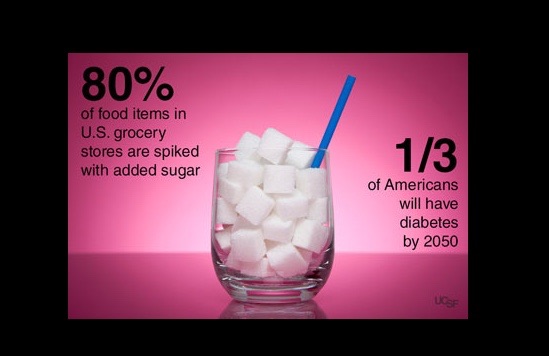
Losing weight can seem very tough. Sometimes you feel like you’re doing everything right, yet still not getting results.
You may actually be hindering your progress by following misguided or outdated advice.
Here are 15 common mistakes people make when trying to lose weight.
1. Only focusing on the scale weight
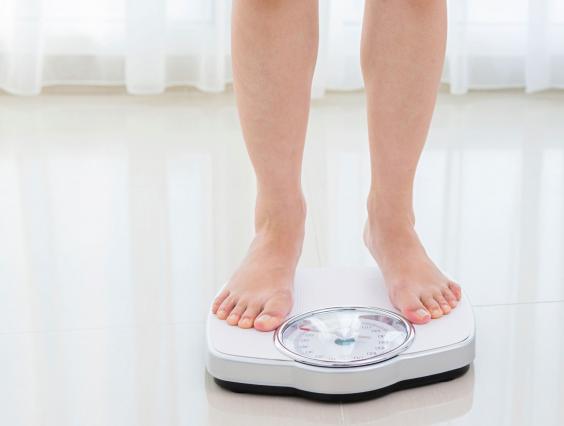
In fact, weight can fluctuate by up to 4 lbs (1.8 kg) over the course of a day, depending on how much food and liquid you’ve consumed.
Also, increased estrogen levels and other hormonal changes in women can lead to greater water retention, which is reflected in scale weight
If the number on the scale isn’t moving, you may very well be losing fat mass but holding on to water. Fortunately, you can do several things to lose water weight.
If you’ve been working out, you may be gaining muscle and losing fat. When this happens, your clothes may start to feel looser — especially around the waist — despite a stable scale weight.
Measuring your waist with a tape measure and taking monthly pictures of yourself can reveal you’re actually losing fat, even if the scale number doesn’t change much.
Bottom Line: Many factors can affect scale weight, including fluid fluctuations, muscle mass gain and the weight of undigested food. You may be losing body fat even if the scale reading doesn’t change much.
2. Eating too many or too few calories
For many years, it was believed that a decrease of 3,500 calories per week would result in 1 lb (.45 kg) of fat loss. However, recent research shows the calorie deficit needed varies from person to person.
You may feel as though you’re not eating very many calories. But in fact, most of us have a tendency to underestimate and under report what we eat.
In a two-week study, 10 obese people reported consuming 1,000 calories per day. Lab testing showed they were actually taking in about 2,000 calories per da.
You may be consuming too many foods that are healthy but also high in calories, such as nuts and cheese. Watching portion sizes is key.
On the other hand, decreasing your calorie intake too much can be counterproductive.
Studies on very low-calorie diets providing less than 1,000 calories per day show they can lead to muscle loss and significantly slow down metabolism.
Bottom Line: Consuming too many calories can stop you from losing weight. On the other hand, too few calories can make you ravenously hungry and reduce your metabolism and muscle mass.
3. Not exercising or exercising too much

By contrast, exercising helps minimize the amount of lean mass you lose, boost fat loss and prevent your metabolism from slowing down. The more lean mass you have, the easier it is to lose weight and maintain the weight loss.
Over-exercising can also cause problems.
Studies show excessive exercise is unsustainable in the long term for most people and may lead to stress. In addition, it may impair the production of adrenal hormones that regulate stress response.
Trying to force your body to burn more calories by exercising too much is neither effective nor healthy.
Lifting weights and doing cardio several times per week is a sustainable strategy for maintaining metabolic rate during weight loss.
Bottom Line: A lack of exercise can lead to loss of muscle mass and lower metabolism. On the other hand, too much exercise is neither healthy nor effective, and it may lead to severe stress.
4. Not lifting weights

Studies show lifting weights is one of the most effective exercise strategies for gaining muscle and increasing metabolic rate. It also improves overall body composition and boosts belly fat loss.
In fact, a review of 15 studies with more than 700 people found the best strategy of all for weight loss appears to be combined aerobic exercise and weightlifting.
Bottom Line: Weightlifting or resistance training can help boost metabolic rate, increase muscle mass and promote fat loss, including belly fat.
5. Choosing low-fat or “diet” foods
Processed low-fat or “diet” foods are often considered good choices for losing weight, but they may actually have the opposite effect.
Many of these products are loaded with sugar to improve their taste.
For instance, one cup (245 grams) of low-fat, fruit-flavored yogurt can contain a whopping 47 grams of sugar (nearly 12 teaspoons.
Rather than keep you full, low-fat products are likely to make you hungrier, so you end up eating even more.
Instead of low-fat or “diet” foods, choose a combination of nutritious, minimally processed foods.
Bottom Line: Fat-free or “diet” foods are typically high in sugar and may lead to hunger and higher calorie intake.
6. Overestimating how many calories you burn during exercise

Mark Cavendish of Great Britain competes in the Cycling Track Men's Omnium Points Race (Getty)
Although exercise increases metabolic rate somewhat, it may actually be less than you think.
Studies show both normal and overweight people tend to overestimate the number of calories they burn during exercise, often by a significant amount.
In one study, people burned 200 and 300 calories during exercise sessions. Yet when asked, they estimated they had burned over 800 calories. As a result, they ended up eating more (21).
That being said, exercise is still crucial for overall health and can help you lose weight. It’s just not as effective at burning calories as some people think.
Bottom Line: Studies show people tend to overestimate the number of calories they burn during exercise.
7. Not eating enough protein
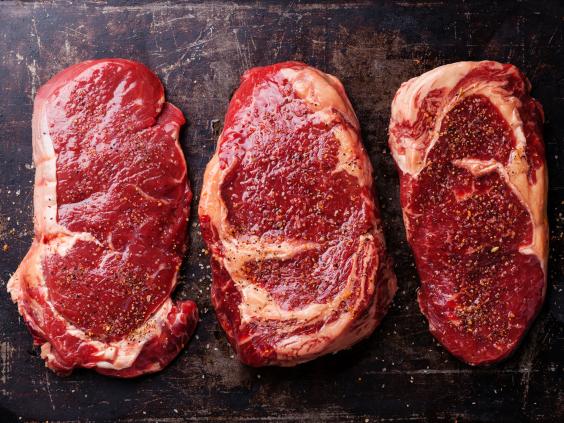
It can reduce appetite, increase feelings of fullness, decrease calorie intake, increase metabolic rate and protect muscle mass during weight los.
In a 12-day study, people ate a diet containing 30% of calories from protein. They ended up consuming an average of 575 fewer calories per day than when they ate 15% of calories from protein .
A review also found that higher-protein diets, containing 0.6–0.8 grams of protein per lb (1.2–1.6 g/kg), may benefit appetite control and body composition. To optimize weight loss, make sure each of your meals contains a high-protein food.
Bottom Line: High protein intake helps with weight loss by reducing appetite, increasing feelings of fullness and boosting metabolic rate.
8. Not eating enough fiber
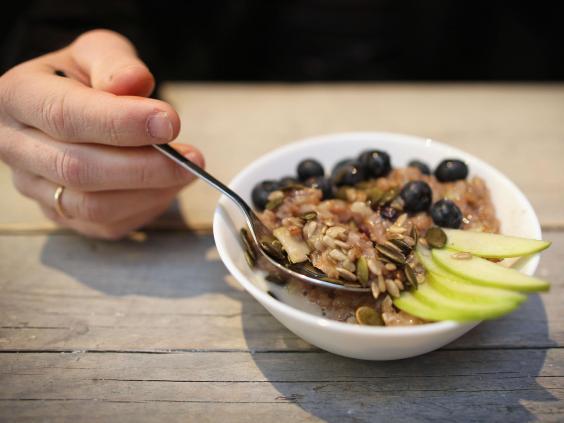
Studies show a type of soluble fiber known as viscous fiber helps reduce appetite by forming a gel that holds water.
This gel moves slowly through your digestive tract, making you feel full.
Research suggests all types of fiber benefit weight loss. However, a review of several studies found viscous fiber reduced appetite and calorie intake much more than other types (29, 30).
When total fiber intake is high, some of the calories from foods in mixed meals aren’t absorbed. Researchers estimate that doubling daily fiber intake could result in up to 130 fewer calories being absorbed.
Bottom Line: Eating enough fiber can help reduce appetite by filling you up so you eat less. It may also help you absorb fewer calories from other foods.
9. Eating too much fat on a low-carb diet
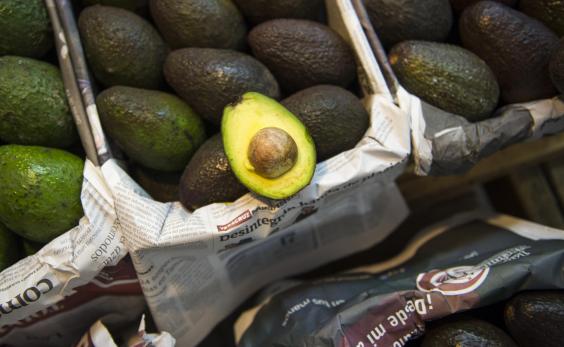
Many low-carb and ketogenic diets allow unlimited amounts of fat, assuming that the resulting appetite suppression will keep calories low enough for weight loss.
However, some people may not experience a strong enough signal to stop eating. As a result, they may be consume too many calories to achieve a calorie deficit.
If you’re adding large amounts of fat to your food or beverages and are not losing weight, you may want to cut back on the fat.
Bottom Line: Although low-carb and ketogenic diets help reduce hunger and calorie intake, adding too much fat may slow down or prevent weight loss.
10. Eating too often, even if you’re not hungry
For many years, the conventional advice has been to eat every few hours in order to prevent hunger and a drop in metabolism. Unfortunately, this can lead to too many calories being consumed over the course of the day. You may also never truly feel full.
In one study, blood sugar levels and hunger decreased while metabolic rate and feelings of fullness increased in men who consumed 3 meals versus 14 meals within a 36-hour time frame.
The recommendation to eat breakfast every morning, regardless of appetite, also appears to be misguided. One study found when people skipped breakfast, they took in more calories at lunch than when they’d eaten a morning meal. However, they consumed an average of 408 fewer calories for the day overall.
Eating when you’re hungry and only when you’re hungry seems to be key to successful weight loss.
However, letting yourself get too hungry is also a bad idea. It is better to eat a snack than become ravenously hungry, which can cause you to make poor food decisions.
Bottom Line: Eating too often can hurt your weight loss efforts. For the best results, it’s important to eat only when you’re hungry.
11. Having unrealistic expectations

Jonny (left) and Alistair Brownlee running in the triathlon in Rio
Researchers analyzed data from several weight loss center programs. They reported overweight and obese women who expected to lose the most weight were the most likely to drop out of a program after 6 to 12 months.
Adjust your expectations to a more realistic and modest goal, such as a 10% drop in weight in one year. This can help prevent you from getting discouraged and improve your chances for success.
Bottom Line: Unrealistic expectations can lead to frustration and giving up altogether. Make your goals more modest to increase your chances of successful weight loss.
12. Not tracking what you eat in any way

What’s more, you may not be getting the right amount of protein, fiber, carbs and fat to support your weight loss efforts.
Studies show that tracking what you eat can help you get an accurate picture of your calorie and nutrient consumption, as well as provide accountability.
In addition to food, most online tracking sites and apps allow you to enter your daily exercise as well. Here is a review of several popular calorie tracking tools.
Bottom Line: If you’re not tracking what you eat, you may be consuming more calories than you realize. You may also be getting less protein and fiber than you think.
13. Still drinking sugar

Even 100% fruit juice is loaded with sugar and may lead to health and weight problems similar to those caused by sugar-sweetened beverages.
For instance, 12 ounces (320 grams) of unsweetened apple juice contain 36 grams of sugar. That’s even more than in 12 ounces of cola.
What’s more, liquid calories don’t seem to affect the appetite centers in your brain the same way calories from solid foods do.
Studies show that you end up consuming more calories overall, instead of compensating for the liquid calories by eating less later in the day.
Bottom Line: If you cut out sugar-sweetened beverages but continue drinking fruit juice, you’re still getting a lot of sugar and are likely to take in more calories overall.
14. Not reading labels
Failing to accurately read label information can cause you to consume unwanted calories and unhealthy ingredients.
Unfortunately, many foods are labeled with healthy-sounding food claims on the front of the package. These may give you a false sense of security about choosing a certain item.
To get to the most important information for weight control, you need to look at the ingredients list and nutrition facts label, which are on the back of the container.
You can find out more about how to read food labels in this article.
Bottom Line: Food labels provide information on ingredients, calories and nutrients. Make sure you understand how to accurately read labels.
15. Not eating whole, single-ingredient foods
One of the worst things you can do for weight loss is to eat a lot of highly processed foods.
Animal and human studies suggest that processed foods may be a major factor in the current epidemic of obesity and other health problems.
Some researchers believe this could be due to their negative effects on gut health and inflammation. Whole foods tend to be self-limiting, meaning they are hard to overconsume. By contrast, it’s very easy to overeat processed foods.
When possible, choose whole, single-ingredient foods that are minimally processed.
Source: