Showing posts with label Diet. Show all posts

Sunday, 15 October 2017

Want to lose weight and lower your cholesterol?

Eat WALNUTS: Handful a day is 'as effective as a low fat diet'

  • Women who ate just over a handful every day for six months lost an average of nearly eight per cent of their initial weight
  • Unlike other diet groups, those who ate nuts improved cholesterol reading

Forget salads and green tea - it seems walnuts may be the key to losing weight.
Scientists have found that eating a diet rich in walnuts and olive oil can lead to the same amount of weight loss as a lower fat, higher carbohydrate diet.
Even better, walnuts, which are rich in polyunsaturated fats, are beneficial to heart health and lower cholesterol, they say. 

In light of the findings, the study recommends eating a handful of them a day.
A diet rich in walnuts and olive oil can lead to the same amount of weight loss as a lower fat, higher carbohydrate diet, new research has revealed 

 Study author Dr Cheryl Rock, of the San Diego School of Medicine at the University of California, said she was surprised by the results.
'One of the surprising findings of this study was even though walnuts are higher in fat and calories, the walnut-rich diet was associated with the same degree of weight loss as a lower fat diet.
'Considering the results of this study, as well as previous walnut research on heart health and weight, there's something to be said for eating a handful of walnuts a day.' 
To come to this conclusion, the team studied 245 overweight and obese women aged between 22 and 72, who were enrolled in a one-year weight loss programme.
They were randomly assigned to three different diets: a lower fat and higher carbohydrate diet; a lower carbohydrate and higher fat diet, or a walnut-rich, higher fat and lower carbohydrate diet. 

Those prescribed a walnut-rich diet consumed around 43g (1.5 ounces) of the nuts a day - about a handful and a half. After six months, women across all groups lost an average of nearly eight per cent of their initial weight.
Those eating a walnut-rich diet lost similar amounts of weight to the other groups - but also showed more improvements in their cholesterol levels when compared to the other two groups. 

Those eating a walnut-rich diet lost similar amounts of weight to the other groups - but also showed more improvements in their cholesterol levels when compared to the other two groups

Specifically, the level of 'bad' LDL cholesterol fell, while 'good' HDL cholesterol increased. This was especially noticeable in the women who were insulin-resistant, a precursor of diabetes. 

The key to these findings, the researchers believe, is that the low-carb high-fat diet group were  encouraged to consume foods higher in monounsaturated fats, found in a variety of foods and oils.
Studies show eating foods rich in monounsaturated fatty acids improves blood cholesterol levels, which can decrease the risk of heart disease.
However, the walnut-rich diet provided more polyunsaturated fats. 

HOW NUTS CAN STAVE OFF DEATH 

Snacking on just half a handful of nuts a day can cut the risk of dying from a string of major diseases. Researchers at Maastricht University found eating at least 10g of nuts or peanuts per day led to a lower risk of dying from respiratory disease, such as asthma  and emphysema, and neurodegenerative diseases such as dementia.
It also reduced the risk of diabetes, cancer and cardiovascular diseases, which include heart attacks and strokes. 

However, researchers found no protective effect from eating peanut butter.
They explained this may be because the salt and vegetable oils it contains 'cancel out' the beneficial effects of the nuts.
Walnuts are the only nut in which the fat is primarily polyunsaturated, including a significant amount of alpha-linolenic acid (ALA). ALA is the plant-derived form of omega-3 fatty acid, which is essential to the body's healthy functioning.
The body cannot make omega-3 itself, therefore it must be wholly obtained from the diet, meaning many of us are deficient. 

However, Dr Rock conceded there were some limitations to the study, such as it only included women, so the results may not be generalizable to men.
In addition, it did not measure adherence to the diets, although it seems the women stuck to them considering their weight loss. 'In addition to these findings, we hope to explore the effect of walnuts on satiety, as we believe satiety is a critical factor for maintaining weight loss,' Dr Rock conluded. The study, published in the Journal of the American Heart Association, comes after research from Harvard also showed the health benefits of consuming polyunsaturated fats.

The study suggested that people who replace saturated fats with polyunsaturated fats may live longer and have a lower risk of heart disease.

Wednesday, 4 October 2017

6 Benefits Of Taking A Shot Of Olive Oil In The Morning


Welcome to the 21st century, where the low-fat diet is slowly but definitely on its way out to make room for a higher fat, lower carbohydrate diet. For decades we have been following the faulty advice to reduce our fat intake to a bare minimum while increasing the amount of sugar in everything. Even a well-known brand of packaged macaroni and cheese contains added sugar, leaving us wondering why noodles and cheese might possibly need to be sweetened.

Why fat is important

Fat is a macronutrient with many benefits, one of which is the absorption of fat-soluble vitamins A, D, E and K. It is also a building block of every cell membrane in the body. It provides energy, slows the absorption of other nutrients (so you feel full longer after a meal) and is required for healthy liver function. Plus, let’s face it, fat makes food taste better.
Also, did you know that the human brain is more than 50 percent fat? The brain requires fats — and especially essential fatty acids — for perfect health. The body doesn’t synthesize essential fatty acids so it needs to obtain them from a healthy diet.

Olive oil is key to the Mediterranean diet

Olive oil is a key part of the Mediterranean diet.
Olive oil is a key part of the Mediterranean diet for health and longevity.
It is no secret that Southern Europeans who eat a more Mediterranean Diet, consisting of vegetables, fruits, lots of fish and plenty of olive oil, have a higher life expectancy with fewer diseases. An average, Italians and Spaniards consume about 13 liters of olive oil per person per year. While the entire diet does play a big role in how healthy people are, it seems the use of extra virgin olive oil is the major contributing factor to longevity and health.
In a study published in 2013, researchers followed two groups of people for five years. One group ate a higher fat Mediterranean diet while the other group followed a low-fat diet. The higher fat group had a much lower incidence of heart disease, diabetes and better success with weight loss.

Olive oil to reduce inflammation

The high-grade extra virgin olive oil contains around 30 polyphenols that act as antioxidants and reduce inflammation in the body. The monounsaturated fatty acids in extra virgin olive oil help increase HDL (“good”) cholesterol while decreasing LDL (“bad”) cholesterol. Plus, the additional antioxidants have been shown to reduce the risk of heart disease.

Olive oil for better skin

Our European neighbors have known for many centuries of the many benefits of olive oil — they use it inside the body and out! On the skin, they use it as an exfoliant mixed into a sugar scrub or as a moisturizer. But you don’t have to smear olive oil all over you; drinking it will provide known anti-aging compounds, like antioxidants and vitamin E.

Olive oil for weight loss

Olive oil can help with weight loss by keeping you fuller for longer.
In the Mediterranean, many people start their day with a quarter cup of olive oil. The oleic acid in olive oil has a satiating effect. As mentioned above, it also slows the absorption of other nutrients, so you’ll feel full longer and won’t need to reach for that mid-morning sugary snack. While the calories in olive oil may be high, the overall consumption of calories throughout the day will drop when you’re just not that hungry.

Olive oil for a healthy gallbladder

Drinking olive oil can help increase the production of pancreatic juices and bile (which, incidentally, gives poop its brown color). With oil, the risk of gallstones decreases and bile is important for the breakdown of fats so they can be absorbed into the intestinal wall.

Olive oil for colon health

The polyphenols in extra virgin olive oil act as antioxidants to rid the body of free radicals that would otherwise damage cells, or even lead to cancer. A study found that drinking olive oil inhibited colon cancer at various stages of the disease. So why not use it to fend off cancer to begin with? This is not to say that you should skip those recommended colonoscopies after age 50, but go ahead and add olive oil to your daily regimen as a preventative measure.

Olive oil to manage blood sugar levels

A shot of olive oil can help balance blood sugar levels naturally.
Olive oil has the ability to keep blood sugar levels low. In one study, blood sugar levels stayed lower on those who ate their meal with olive oil, compared to a group of people eating a meal made with corn oil. This makes sense since corn is a starch and has the ability to raise blood sugar levels much more than olives.

How to start your day with olive oil

With all this talk of the great benefits of olive oil, let’s talk about how to take it. We know, of course, that it may be a bit difficult to start your day with an entire shot of olive oil on an empty stomach first thing in the morning. In fact, if oil is consumed in large amounts, it may actually upset the stomach that is not used to it. Here are a couple more ways to go about it.
First, start with a tablespoon and increase the amount over time. Another option is to mix olive oil in a blender with a cup of warm water and the juice of a lemon. It makes it much more palatable and the lemon juice will help with the easier digestion of the oil. Plus, lemon juice has been linked to improved liver function. A healthy liver produces more bile, which in turn is needed for the proper breakdown of fats (and oils) in the small intestine.
benefits-of-morning-shot-of-olive-oil

Cooking with olive oil

Cold pressed extra virgin olive oil has many benefits when used properly. You may not want to cook with it at high temperatures, though. While it appears to be more stable than other vegetable oils, all oils break down and lose their nutrients and flavor when cooked on high heat. Plus, the oxidation that happens during cooking may actually create compounds that attack healthy tissues in the body. For cooking at extremely high temperatures, it may be advisable to use a more stable fat that’s a shorter chain fatty acid, like coconut oil or avocado oil.  
So, instead of cooking olive oil and losing the health benefits, pour yourself a little shot to get your day started. Bottoms up!

Friday, 15 September 2017

10 Tips for a Healthier Weekend

For many people the weekends can often mean a break from your usual diet and fitness routine. It’s definitely much easier during a busy work week to stay on schedule, exercise, and eat healthy; then when the weekend comes to let it all go. But, don’t let one weekend ruin your goals and your whole week of great habits! Be aware of where you will be tempted to indulge, and plan around it.

10 Tips for a Healthier Weekend

A few key things to remember:
Go into the weekend with a healthy mindset: Go into the weekend thinking you are going to stay on track, you’re more likely to actually stick with your plan that way!

Plan ahead: Go over your weekend plans and think about them in advance. Don’t go STARVING to that party! If you’re going away, do a little food prepping of healthy snacks to bring with you. And if you know you have dinner reservations, check out the menu online and decide on your healthy options that you know you’ll be satisfied with!

Treat yourself occasionally throughout the week: If you never let yourself having anything you want, you may end up eating it ALL when you let yourself (for many, that’s the weekend). So, have that treat, that glass of wine, or that piece of dark chocolate mid-week, and don’t feel guilty about it! It’ll pay off in the end.

Be realistic: It’s the weekend! Enjoy yourself. Have that glass of wine and the meal out with friends that you’ve been craving, but be smart, watch your portions and limit your drinks (you definitely don’t need to reach for that bread basket)! Moderation is key.

Splurge in a healthy way: “What a long week, I totally deserve a splurge!” Indeed. You may feel like you need a bit of a splurge, and by all means, go for it! But make your splurge healthy. How about treating yourself to a massage rather than that box of cookies? Or some air-popped pop corn over a bag of chips.

Don’t let one set back keep you from moving forward: So, you indulge a little too much one weekend, does that mean your whole plan goes out the window come Monday? No! Pick up where you left off. Detox your body with tons of water, and get past it!

Sunday, 3 September 2017

Beginner’s Fat Loss Plan: Healthy Eating


 1. Drink more water.
This is certainly one of the easiest steps you can take for fat loss. Water not only hydrates the body, it also fills your stomach, so you’re less likely to munch on processed snacks, like chips, crackers, or sweets. Aim to drink eight 8-ounce glasses each day.

2. Clean up your kitchen and pantry.
Slimmer bodies begin in the kitchen. Clear your fridge and pantry of processed snack foods, which tend to be high in calories and fat. Even packaged diet foods can contain artificial sweeteners that have a negative impact on the metabolism. Instead eat two healthy snacks every day.

3. Reduce or eliminate processed meals.
It seems easy to rely on boxed, bagged, or prepared meal mixes when you’re busy, but these foods are a prime reason so many Americans are overweight. Support fat loss by adding more whole or minimally processed foods to your menu. For example, a fresh apple is better for your hips than a container of processed applesauce. SkinnyMs. offers hundreds of clean eating recipes.

Beginner’s Fat Loss Plan: Regular Exercise


1. Schedule workouts into your calendar—every week.
Think of regular workouts as an investment in yourself. And, because you’re investing in yourself, it’s essential to commit to those exercise times. Incorporate 2.5 to 3 hours of moderate to high intensity exercise into your schedule each week for maximum fat loss.

2. Find workouts that appeal to you.
Let’s face it—it’s hard for anyone, at any fitness level, to stick to a workout routine they don’t enjoy. Boost your likelihood of fat loss success by finding workouts you like to do. For some women, that may be running; others may prefer weight training at a gym; still other women might like working out at home better.
You may need to try a few different kinds of workouts to get a feel for what you like. Get started with these beginner workouts:


3. Set doable goals.
If you’re working to lose a large amount of weight, it can be tough to see the finish line. Instead of focusing on a goal that seems far away, set smaller, reachable goals that let you see progress and celebrate your fat loss victories. For example, set a goal to shed one to two pounds per week.

4. Stay focused on what’s motivating your transformation.
When you’re in the center of life’s whirlwind, it can be easy to forget why you’re making the effort to exercise or eat healthy. Remind yourself of your motivation in a way that works for you. For example, you might create a vision board filled with all the activities you want to do when you weigh less, whether that’s chasing your kids without losing your breath or hiking a mountain with a partner or good friend.

Source:

Monday, 28 August 2017

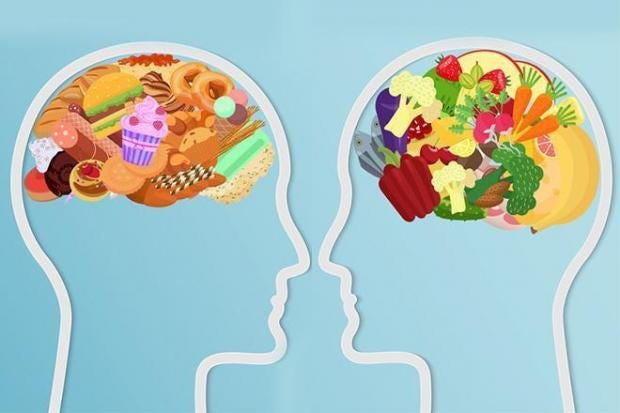
The diet paradox: why your subconscious makes you crave naughty foods


Diets which require the dieter to follow rigid rules or forbid them from certain foods increase the risk of overeating.
 
Understanding how your brain responds to food could be the key to losing weight

The UK’s diet industry is thriving to say the least. More than half of British adults try to lose weight by controlling their calorie intake each year. Unfortunately, losing weight is not as easy as turning down a biscuit, or opting for salad. And even those who have been successful in their dieting endeavours find it difficult to do.
So why is it that even when we have the best of intentions, dieting is so difficult? Why can’t we control those cravings?

We’ve all done it: walked past a tasty-looking supermarket stand, or smelled something delicious and immediately started drooling over whatever treat is on display, regardless of calorie content or nutrition. Sensory food cues like these can be difficult to ignore and aren’t just triggered by taste or smell – advertising or brand logos can tempt us in, too.
When we are hungry, the hormone gherlin stimulates the brain, which means that we notice food cues more. Researchers have also found that our brains pay more attention to cues for unhealthy foods – those which are high in sugar and fat – than healthy foods, when we are hungry. In studies where pictures of high-calorie foods were shown to participants, it was found that the cues elicited anticipatory appetite responses, such as salivation, cravings and a reported desire to eat.
All of this together means that the attention-grabbing properties of high-calorie foods are likely to present a significant challenge for individuals who are attempting to lose weight – particularly if their diet makes them feel hungry.
On a positive note, it may be possible to train ourselves to ignore tempting cues. One study has shown that participants who were taught to ignore high-calorie food cues on a computer-based task consumed fewer snack foods than those who were trained to pay attention to them.

Forbidden foods are more tempting
Dieting often involves “giving up” more pleasurable foods in an attempt to reduce calorie intake. But if we are asked to avoid eating a food we enjoy, researchers have found that we will crave it – and even have a greater desire to consume the forbidden item than if we have not been deprived.
245724524574.jpg
 
The more we deprive ourselves of tempting foods, the more we want to eat them
In another study, frequent consumers of chocolate were asked not to eat any for a week. In this case, the participants found images of chocolate and other high-calorie food items more salient – the deprivation had made them want the high-calorie foods more – than the chocolate eaters who had not been deprived. In addition, when asked to taste a forbidden food, it has been found that research participants who have been deprived of it will typically consume more calories.
All of this means that even when dieters attempt to avoid foods that are pleasurable, the behavioural and cognitive response to deprivation may inadvertently be creating more temptation.

The “what-the-hell” effect
When trying to lose weight, choices about what to eat and when it should be eaten are usually constrained by the rules of a chosen diet plan. But rigid dieting rules are problematic, as any eating behaviour that does not rely on the physiological signals of hunger increases the risk of overeating.
Another problem with dieting rules is that only a small violation – a sneaky slice of cake, for example – is enough to derail the whole diet. Researchers call this the “what-the-hell effect” – and it has been demonstrated in a number of laboratory experiments. Studies consistently show that dieters who believe they have consumed a high-calorie snack – and so have broken the rules of their diet – will consume more calories during a later meal than those who do not think they have violated the rules.
Although in real terms eating a few extra calories is unlikely to have a major impact on a diet, such lapses can have a bigger psychological impact. Dieting “failure” is likely to trigger negative emotions such as guilt or stress, both of which are known to cause overeating.

So what can be learned from all of this? Diets which require the dieter to follow rigid rules or forbid them from consuming foods they enjoy appear to be problematic, as they paradoxically increase the risk of overeating. Instead, it may be useful for dieters to acknowledge that humans are inherently drawn to high-calorie foods and that these cues present the most temptation if we are hungry.
Rising rates of obesity mean that many more of us are turning to diets to lose weight. However, while there is no perfect diet to help us achieve our health goals, understanding how the brain works, and recognising the psychological effects of dieting may help us regain control in the face of temptation.

Source:

11 Reasons Why You're Not Losing Belly Fat

Belly fat won't budge? Genetics, hormones, or easy-to-fix mistakes could be to blame. 

Belly fat blues

Getting rid of your belly bulge is important for more than just vanity's sake. Excess abdominal fat—particularly visceral fat, the kind that surrounds your organs and puffs your stomach into a "beer gut"—is a predictor of heart disease, type 2 diabetes, insulin resistance, and some cancers. If diet and exercise haven't done much to reduce your pooch, then your hormones, your age, and other genetic factors may be the reason why. Read on for 11 possible reasons why your belly fat won't budge.


belly-fat-older

You're getting older

As you get older, your body changes how it gains and loses weight. Both men and women experience a declining metabolic rate, or the number of calories the body needs to function normally. On top of that, women have to deal with menopause. "If women gain weight after menopause, it's more likely to be in their bellies," says Michael Jensen, MD, professor of medicine in the Mayo Clinic's endocrinology division. In menopause, production of the hormones estrogen and progesterone slows down. Meanwhile, testosterone levels also start to drop, but at a slower rate. This shift in hormones causes women to hold onto weight in their bellies. The good news: you can fight this process. Read on.


belly-fat-spinclass

You're doing the wrong workout

A daily run or Spin class is great for your heart, but cardio workouts alone won't do much for your waist. "You need to do a combination of weights and cardiovascular training," says Sangeeta Kashyap, MD, an endocrinologist at Cleveland Clinic. Strength training increases muscle mass, which sets your body up to burn more fat. "Muscle burns more calories than fat, and therefore you naturally burn more calories throughout the day by having more muscle," says Kate Patton, a registered dietitian at Cleveland Clinic. Patton recommends 250 minutes of moderate-intensity exercise or 125 minutes of high-intensity exercise a week.

processed-foods

You're eating too many processed foods

"Refined grains like white bread, crackers, and chips, as well as refined sugars in sweetened drinks and desserts increase inflammation in our bodies," says Patton. "Belly fat is associated with inflammation, so eating too many processed foods will hinder your ability to lose belly fat." Natural foods like fruits, vegetables, and whole grains are full of antioxidants, which have anti-inflammatory properties and may therefore actually prevent belly fat, Patton says.

meat-fat

You're eating the wrong fats

The body doesn't react to all fats in the same way. Research correlates high intake of saturated fat (the kind in meat and dairy) to increased visceral fat, says Patton. On the other hand, monounsaturated fats (the kind in olive oil and avocados) and specific types of polyunsaturated fats (mainly omega-3s, found in walnuts, sunflower seeds, and fatty fish like salmon) have anti-inflammatory effects in the body, and if eaten in proper portions may do your body good. But Patton warns that eating too much fat of any kind increases your calorie intake and could lead to weight gain, so enjoy healthy fats in moderation.

belly-fat-crossfit

Your workout isn't challenging enough

To banish stubborn belly fat, you have to ramp up your workouts. In a study published in the journal Medicine and Science in Sports and Exercise, people who completed a high-intensity workout regimen lost more belly fat than those who followed a low-intensity plan. (In fact, the low-intensity exercises experienced no significant changes at all.) "You need to exercise at full intensity because the end goal is to burn more calories, and high intensity exercise does just that," says Natalie Jill, a San Diego, Calif.-based certified personal trainer. High intensity workouts mean you're going all out for as long as you can. If this sounds intimidating, think of it this way: you'll burn more calories in less time.


belly-fat-planking

You're doing the wrong exercises

Doing crunches until the cows come home? Stop it! When you're down to your final inches of belly fat, the dreaded crunch won't be the exercise that finally reveals your six-pack. "You can't spot reduce," Jill says. Instead, she suggests doing functional exercises that use the muscles in your core—abdominals, back, pelvic, obliques—as well as other body parts. "These exercises use more muscles, so there is a higher rate of calorie burn while you are doing them," she says. Planks are her favorite functional exercise—they activate not just your core muscles but also your arm, leg, and butt muscles.


belly-fat-stress

You're stressed

Tight deadlines, bills, your kids—whatever your source of stress, having too much of it may make it harder for you to drop unwanted pounds, especially from your middle. And it's not just because you tend to reach for high-fat, high-calorie fare when you're stressed, though that's part of it. It's also due to the stress hormone cortisol, which may increase the amount of fat your body clings to and enlarge your fat cells. Higher levels of cortisol have been linked to more visceral fat.


fat-not-enough-sleep

You're skimping on sleep

If you're among the 30% of Americans who sleep less than six hours a night, here's one simple way to whittle your waistline: catch more Zs. A 16-year study of almost 70,000 women found that those who slept five hours or less a night were 30% more likely to gain 30 or more pounds than those who slept 7 hours. The National Institutes of Health suggest adults sleep seven to eight hours a night.

belly-fat-size

You're apple shaped

If you tend to pack the pounds around your middle rather than your hips and thighs, then you're apple shaped. This genetic predisposition means ridding yourself of belly fat will be harder, Dr. Kashyap says, but not impossible.


belly-fat-sick

You're sick

If your testosterone levels are high—something that can occur with polycystic ovary syndrome (PCOS)—you might have difficulty losing weight. "If you're an apple shape and overweight, it's a good idea to see your doctor," Dr. Kashyap says, since there may also be a chance that you are prediabetic or diabetic.

go-for-run

You're unmotivated

Are you committed to the work needed to lose belly fat? "Reducing belly fat takes a combination approach of a low-calorie diet that is high in fiber and low in carbohydrates and sugar along with cardiovascular and weight training," Dr. Kashyap says. "If you are willing to do the work, you can move past genetics and lose it."

Source:

Wednesday, 16 August 2017

The Whole Truth About Whole Grains

11 reasons to make the switch now.....

 Want to statistically reduce your risk of death from all causes (in other words, your total mortality rate) by 15% just by making one dietary change? Choose whole grains whenever you can.

We all know we're supposed to eat more whole grains. We know they're "good" for us (full of fiber, phytochemicals, and vitamins and minerals). Yet most Americans eat less than one serving of whole grains a day. So what's stopping us?

Maybe it's our fear of "brown" food. But you might be surprised how easy it can be to embrace the brown if you set your mind to it. Some of you will have no problems switching to whole-grain bread but will draw the line at whole-wheat pasta. For others, it might be the other way around.
The bottom line is that switching to whole grains is one of the most important things you can do for your health. So make the switch everywhere you can -- and draw the line wherever that may be for you.
related content

For me, about the only refined-grain products I eat are the occasional sourdough and French bread, pizza crust (when I buy it out), and sometimes pasta (which I always cook al dente because it has a lower glycemic index this way). I used to think I could never accept whole-wheat noodles as "pasta." But never say never! In developing the recipes for my next book, I used a whole-wheat pasta blend and I really started to like it.
And don't think that you can keep eating white, refined-grain products and just supplement them with some extra fiber. Research suggests that the various nutritional components of whole grains work together to affect our health.

A Bite of Whole-Grain History

When the industrialization wave hit America in the later 1800s, a new way of milling and mass refining took hold in the grain business and never let go. Removing the bran and germ seemed like a good idea at the time, since it meant that grain products could sit on store shelves much longer without spoiling.
But the worldwide epidemic of B-vitamin deficiencies (pellagra and beriberi) that followed was only the beginning. Frankly, we are only just realizing the nutritional fallout from almost eliminating whole grains from our diet over the past hundred years.

11 Ways Grains Are Great

Here's a quick list of all the ways that whole grains benefit your body. After reading it, you may ask yourself, "What don't they do?"

1. They're digested slowly.

Whole grains are digested more slowly than refined grains, which has beneficial effects on blood sugar and insulin (keeping levels of both down). A recent study found that the more whole grains men and women ate, the lower their fasting insulin levels were. And this is a good thing.

2. They reduce mortality rates.

After analyzing data from more than 15,000 people aged 45-65, researchers from the University of Minnesota School of Public Health found that as whole-grain intake went up, total mortality (the rate of death from all causes) went down.

3. They help reduce the risk of type 2 diabetes.

The Nurses' Health Study found that women who ate more than 5 grams of fiber from whole-grain cereals daily had about 30% less risk of developing type 2 diabetes than those who ate less than 2.5 grams of whole-grain fiber a day.

Other research found that women who ate a diet low in cereal fiber and high on the sugar (glycemic) index doubled their risk of type 2 diabetes.

4. They help control weight.

One study found that women who ate three or more servings of whole-grain foods a day had significantly lower body mass indexes (BMIs) than those eating less than one serving a day. (This was found in men, too, but the link was more significant in women.)
Another study found that women whose diets included the most whole grains were half as likely to gain a lot of weight over a 12-year period as those who ate the least whole grains. This slimming effect was seen even in teens.

5. They may protect against metabolic syndrome.

Research has found that metabolic syndrome -- a condition that raises the risk of diabetes, heart disease, and stroke -- was found much less often in people who ate the most cereal fiber and whole grains compared with those who ate the least.

6. They reduce risk of heart disease.

At least 25 studies have found that people who regularly eat whole grains have a lower risk of heart disease.
"The evidence is quite consistent and convincing that people who eat at least one serving of whole grains a day have a lower risk of heart disease and stroke," reports Mark Pereira, PhD, a nutritional epidemiologist at Harvard Medical School.
In studying the dietary habits of male health professionals, researchers found that for every 10 gram increase in cereal fiber eaten each day, the risk of heart attack was reduced by nearly 30%. A more recent study found this beneficial effect is even stronger in women.

8. They cut cholesterol levels.

Researchers at Northwestern University Medical School in Chicago found that adding oats to an already low-fat diet helped women cut their blood cholesterol by an additional 8 or 9 mg/dL after only three weeks. (That came on top of the 12 mg/dL reduction seen with the low-fat diet alone!)


Antioxidants found in oats cut cholesterol by suppressing the molecules that make blood cells stick to artery walls. When these cells stick to artery walls and cause inflammation, plaque deposits build up and narrow the passageways where blood flows, leading to "hardening of the arteries."

9. They reduce blood pressure.

Eating foods containing barley decreases blood pressure and improves several other risk factors for heart disease, according to a recent study. (Other studies of high-fiber, whole-grain foods have also reported significant reductions in blood pressure.)
The researchers also noticed a decrease in total cholesterol (an average of 21% reduction in those eating lots of soluble fiber, such as that found in barley and oats), and "bad" cholesterol. Levels of "good cholesterol" either increased or did not change.

10. They can decrease your risk of stroke.

A recent Harvard study found that a diet with large amounts of whole-grain foods was associated with a decreased risk of stroke in women.

11. They reduce cancer risks.

More than 40 studies looking at 20 types of cancer have suggested that regularly eating whole grains reduces cancer risk.
It's thought that whole grains may accomplish this by blocking DNA damage, suppressing the growth of cancer cells, providing antioxidant protection, and preventing the formation of carcinogens. The particular components of whole grains that may be protective include fiber; antioxidants including vitamins (like vitamin E) and minerals (like selenium); and various phytochemicals.
Among the types of cancer that whole grains help protect against are gastrointestinal cancers such as stomach and colon cancers, along with cancers of the oral cavity, pharynx, esophagus, and larynx.

Your Whole Grain Line-Up

If you're ready to go brown, whole-wheat bread is a great place to start. But don't stop there.
Here are nine common whole-grain foods that you'll probably find at your supermarket:
  • Brown rice
  • Oats
  • Whole-wheat flour
  • Rye flour
  • Barley
  • Buckwheat
  • Bulgur (steamed and dried cracked wheat)
  • Millet
  • Quinoa
And don't think that cooking them has to be difficult and time-consuming. Here are a couple of easy (and yummy) ways to prepare some whole-grain favorites.

 Source:

Saturday, 12 August 2017

Natural Compound in Fruit and Veg Could Help Prevent Weight Gain


Eating foods high in flavonoids, such as apples, berries and peppers, may prevent long-term weight gain, research suggests.

Fruit and vegetables including blueberries, apples and onions contain high levels of a naturally occurring compound that could help prevent weight gain, a large study has found.
Fruits and vegetables inside fridgeResearchers studied 124,086 US men and women, who were followed for up to 24 years, and found that eating more fruit and vegetables containing flavonoids was associated with a small but potentially significant reduction in weight gain.
Flavonoids are plant compounds found in various foods and drinks, including tea, chocolate and wine. Because they are rich in antioxidants they are thought to help prevent cell damage.


The researchers, from Harvard and the University of East Anglia (UEA), suggest in a paper published in the BMJ on Wednesday that they may also be able to help prevent obesity and associated problems. However, as it is purely an observational study, no causal effect can be established.

Prof Aedin Cassidy, of UEA’s Norwich Medical School, said: “There’s a lot of interest in flavonoids with cardiovascular health and diabetes. We think the different subclasses [of flavonoids] have different effects.

“A lot of people, when they go on a diet, have to do something radical. This is basically saying that something which is good for you already may also be good for weight maintenance, particularly in middle age when weight gain is associated with increased chance of getting heart disease and strokes.”

Participants were drawn from three different US studies. One featured men with an average age of 47, while the two others were women-only with average ages of 36 and 48 respectively.
The participants self-reported their weight, lifestyle habits and any recently diagnosed diseases via questionnaires every two years between 1986 and 2011. In addition, they self-reported their diet every four years and on that basis the association between their dietary intake of seven flavonoid subclasses and weight change was analysed. Results, which were adjusted for a range of dietary and lifestyle factors, were consistent across men and women, and different ages.

The greatest association was found for anthocyanins, flavonoid polymers and flavonols. Blueberries and strawberries were the main source of anthocyanins, tea and apples were the main source of flavonoid polymers and tea and onions the main source of flavonols. Men gained on average a kilo over a four-year period and women gained a couple of kilos, but those with higher consumption of certain flavonoids did not put on weight.

Each small increase (standard deviation) of daily intake, for example 10mg of anthocyanins, was associated with 0.16-0.23lbs (0.07-0.10kg) less weight gained over four-year intervals. But a single serving per day of many fruits could potentially have a greater impact. For example, half a cup of blueberries provides about 121mg – or about 12 standard deviations – of anthocyanins.

The authors suggest that eating fruit and vegetables with high levels of flavonoids, such as apples, pears, berries and peppers, may therefore be a valuable tool in preventing obesity.

Previous research has suggested flavonoid subclasses may decrease energy intake, decrease fat absorption or increase glucose uptake in muscle.

Naveed Sattar, professor of metabolic medicine at the University of Glasgow, said caution should be employed in interpreting the results. In truth, individuals who eat more high-flavonoid foods have other habits which lead them to put on less weight – or other effects of high-flavonoid foods may be responsible, such as fibre content in fruits and vegetables. Hence, one must be very careful about recommending high-flavonoid foods as beneficial to health.

“Our lab conducted a recent randomised-placebo controlled trial of polyphenol/flavonoid-rich drinks and saw no effect over the short term (one month) on markers linked to heart disease or diabetes, and longer-term trials are needed to prove effects on weight.”

Source:

Friday, 7 July 2017

8 Ways To Add Years To Your Life

Eat, drink and dance your way to a healthier you...
Live longer


Living longer and better doesn’t have to be hard – you just need to tweak some of the foods you eat and add in some simple lifestyle changes.
Whether it’s cutting down on take-aways or adding a little more colour to your plate, here’s what you can eat more of (and do less of!) to make sure you stay fit and healthy…


1. Take turmeric to reduce inflammation

Turmeric powder

Turmeric powder helps to reduce inflammation in the body
You might have seen this ingredient in the spice aisle, but it also has uses outside of the kitchen. This root contains curcumin – a strong antioxidant with powerful anti-inflammatory effects. Inflammation in the body has been proven to play a big role in lots of chronic illnesses like heart disease and Alzheimer’s, so pick up some turmeric capsules from a health food shop or, if you can bear it, add a teaspoon of turmeric powder to hot water and honey.


2. Eat more purple vegetables to help your blood pressure

Purple Sprouting broccoli.

Try some purple broccoli

Purple sprouting broccoli, and the purple versions of carrots, sweet potatoes and asparagus (which you can buy in most big supermarkets) contain high levels of antioxidants, which help keep your heart healthy, and can reduce blood pressure. By eating more of these veggies you can also ensure your skin stays young – the natural purple pigment contains resveratrol, which has been linked to preventing the premature ageing of your skin cells.

3. Drink lemon water to lose weight

Water with lemon

Have a glass in the morning
There’s a reason this hot citrus drink is loved by health fanatics. Lemon peel has pectin in it – a fibre that digests slowly, making you feel fuller for longer. After a coffee it’s common to get a caffeine crash (often leading to unhealthy snacking), but by drinking lemon, you’re less likely to want to snack – and you’ll help ward off weight-related complications like high blood pressure.

4. Eat more fermented foods for a healthy gut

Pickles in jars

Things like yoghurt, sauerkraut, and pickles are all types of fermented food, and they have amazing effects on your gut. Most digestive problems are due to an imbalance of good and bad bacteria, so by eating more of these foods you’re helping to get a better balance and ease stomach problems. Studies have also shown them to be good for people with weak immune systems.


5. Eat fewer take-aways to reduce the risk of diabetes


Ditch the weekly Chinese
Did you know that one in four adults prefers to order take-aways rather than cook at home, even though around six out of ten people know that making it at home would cost a lot less and taste just as good?* The order-out culture in the UK is on the rise, and that means so is type 2 diabetes and heart disease – which are directly related to unhealthy diets.


6. Go Mediterranean to keep the fat away

Mediterranean diet

Dieting doesn’t have to be over-complicated – just go Mediterranean. 'The principles of
it include eating lots of fruits, vegetables, cutting out processed foods and salt and limiting red meat intake,’ says weight-loss specialist Dr Sally Norton. ‘In essence, eating REAL food in sensible portions.’A manageable, colourful diet will help you stay in good shape and keep the weight off in the long-term.

7. Dance away dementia

Cheerful mature couple dancing on beach

Join a class or get dancing in the kitchen at home

'Keeping active and controlling your blood pressure is good for the heart - but research also suggest that it's great for the head, too, ' says Dr Mike Knapton from the British Heart Foundation. You don't have to put in hours of work in a gym to be active, so find something that raises your heart rate a little, but that you enjoy at the same time - like dancing! It's a great way to get moving and meet some new friends.

8. Sleep your way to a healthy heart

Mature woman sleeping in bed
Get a good night's sleep
By sleeping less than 5 hours a night, you’re putting yourself in danger of health complications like increased blood pressure – which is linked to strokes and heart attacks – and, if you suffer from insomnia, then you’re likely to develop more worrying side effects than a few yawns the next day. Aim for 7-8 hours of restful sleep a night to live longer.
Source:

Tuesday, 4 July 2017

Healthy Gut, Healthy Mind: 5 Foods to Improve Mental Health

You’ve heard of eating well to improve heart health and reduce the risk of diabetes, high blood pressure and certain cancers, but what about taking care of your mind? A few simple dietary changes may boost cognitive function and reduce symptoms of depression, anxiety and other mental health disorders.

When most people think of boosting their brain power, they think of learning something new or engaging in thought-provoking debate. As it turns out, one of the best ways to improve your mental health is through your gut. Like your brain, the gut has its own nervous system, which sends information to the brain via the vagus nerve. This helps explain why you might feel queasy when you’re nervous or stressed. Just as the brain impacts the gut, what we put in our gut can impact the functioning of the brain. Here are five foods that keep the mind working at its best:

#1 Fatty Fish
The Standard American Diet is sorely deficient in omega-3 fatty acids, such as docosahexaenoic acid (DHA) and eicosapentanoic acid (EPA), and high in trans fats and saturated fats which have been shown to negatively affect the brain. Since our brains are made up largely of fat and our bodies cannot manufacture essential fatty acids, we have to rely on a diet rich in omega-3s to meet our daily needs.

In studies, foods high in omega-3 fatty acids, such as wild cold water fish (e.g., salmon, herring, sardines and mackerel), seaweed, chicken fed on flaxseed and walnuts, have been shown to reduce symptoms of schizophrenia, depression, attention deficit hyperactivity disorder and other mental disorders. This is likely because of the effect omega-3s have on the production of neurotransmitters (brain chemicals responsible for our moods), including dopamine and serotonin. By supporting the synapses in the brain, omega-3s also boost learning and memory.

#2 Whole Grains
The primary source of energy for the brain is glucose, which comes from carbohydrates. Simple carbohydrates exacerbate low mood by creating spikes in blood sugar and have been shown to have effects on the brain similar to drugs of abuse. By contrast, complex carbs release glucose slowly, helping us feel full longer and providing a steady source of fuel for the brain and body. Healthy sources of complex carbohydrates include whole-wheat products, bulgur, oats, wild rice, barley, beans and soy.

#3 Lean Protein
The foods we eat are broken down into substances that are used to make neurotransmitters and other chemicals that allow different parts of the nervous system to communicate effectively with each other and the rest of the body. Next to carbohydrates, protein is the most abundant substance in the body. The amino acid tryptophan, a building block of protein, influences mood by producing the neurotransmitter serotonin.

Sometimes called nature’s Prozac, serotonin is associated with depression. Lean protein sources, including fish, turkey, chicken, eggs and beans, help keep serotonin levels balanced. Even more important are complex carbohydrates, which actually facilitate the entry of tryptophan into the brain, reducing the symptoms of depression and anxiety and improving overall cognitive functioning.

#4 Leafy Greens
Popeye was on to something with a diet high in spinach. Leafy greens such as spinach, romaine, turnip and mustard greens, and broccoli are high in folic acid, as are beets and lentils. Deficiencies in folate as well as other B vitamins have been linked with higher rates of depression, fatigue and insomnia.

Broccoli also contains selenium, a trace mineral that plays an important role in our immune system functioning, reproduction and thyroid hormone metabolism. Some studies suggest that low levels of selenium contribute to depression, anxiety and fatigue. Other sources of selenium include chicken, onions, seafood, walnuts and brazil nuts, and whole-grain products.

#5 Yogurt with Active Cultures
Fermented foods, such as yogurt with active cultures, kefir, kimchi, tempeh and certain pickled vegetables, contain probiotics (healthy bacteria) which have been shown in studies to reduce anxiety and stress hormones and effect the neurotransmitter GABA. By contrast, eating too many processed foods may compromise the delicate balance of healthy and unhealthy bacteria in the gut.

Today’s Choices Affect Tomorrow’s Welfare
Our modern diet is significantly different from that of our ancestors. We can blame busy lifestyles, food manufacturing and the affordability of processed foods, but most of us can make changes to counteract these influences; for example, increasing our intake of fruits and vegetables, limiting processed foods that come from bags and boxes, and cooking meals from scratch.

Sadly, the genetic and environmental influences passed down by our ancestors, though far from perfect, were likely better than the ones we’re passing on to future generations. An emerging body of research is showing that the way we eat today not only affects our own health but also that of our children and grandchildren.

Nutrition is a key contributor to good mental health, but it’s just one piece of the puzzle. Dietary changes won’t be sufficient for everyone and are not a substitute for other forms of treatment. If you’re struggling with symptoms of a mental health disorder, talk to a therapist or your family physician.

Source:

Sunday, 2 July 2017

10 Things You Don’t Know About Sugar...The Silent Killer!!!!


Image result


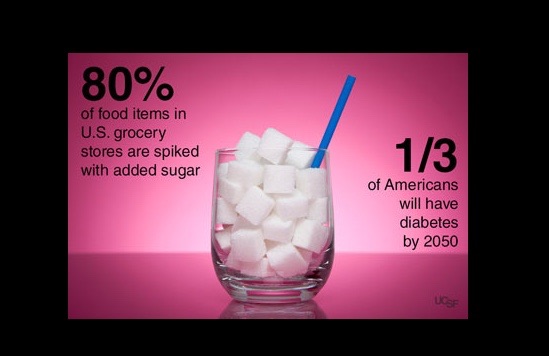
Excessive sugar in the diet is not the best idea when it comes to healthy living. Nonetheless, few of us are consuming sugar in recommended moderate amounts and most of us are eating tons of it. In fact, worldwide we are consuming about 500 extra calories a day from sugar. That’s just about what you would need to consume if you wanted to gain a pound a week.

Most people know that sugar is not good for them, but for some reason, they think the risk of excess sugar consumption is less than that of having too much saturated and trans fat, sodium or calories. Perhaps it’s sugar’s lack of sodium or fat that make it the “lesser of several evils,” or perhaps people are simply of the mind frame that what they don’t know won’t hurt them. If you really knew what it was doing to your body, though, you might just put it at the top of your “foods to avoid” list. Here are ten things that may surprise you about sugar.

1. Sugar can damage your heart
While it’s been widely noted that excess sugar can increase the overall risk for heart disease, a 2013 study in the Journal of the American Heart Association displayed strong evidence that sugar can actually affect the pumping mechanism of your heart and could increase the risk for heart failure. The findings specifically pinpointed a molecule from sugar (as well as from starch) called glucose metabolite glucose 6-phosphate (G6P) that was responsible for the changes in the muscle protein of the heart. These changes could eventually lead to heart failure. Approximately half of the people that are diagnosed with heart failure die within five years.


2. Sugar specifically promotes belly fat
Adolescent obesity rates have tripled in the past 30 years and childhood obesity rates have doubled. Many of us are aware of the data that demonstrates just how literally big our future is looking, but beyond the studies and all the initiatives to curb childhood obesity, one needs only to visit an amusement park, school or mall to truly see what is happening. One factor that seems to inflict obese children is fat accumulation in the trunk area of the body. Why? One cause may be the increase in fructose-laden beverages. A 2010 study in children found that excess fructose intake (but not glucose intake) actually caused visceral fat cells to mature — setting the stage for a big belly and even bigger future risk for heart disease and diabetes.

 Image result for dangers of sugar

3. Sugar is the true silent killer
Move over salt and hypertension, you’ve got competition. Sugar, as it turns out, is just as much of a silent killer. A 2008 study found that excess fructose consumption was linked to an increase in a condition called leptin resistance. Leptin is a hormone that tells you when you’ve had enough food. The problem is, we often ignore the signal our brain sends to us. For some people though, leptin simply does not want to work, leaving the person with no signal whatsoever that the body has enough food to function. This in turn can lead to over consumption of food and consequently, obesity. Why the silent killer? Because it all happens without symptoms or warning bells. If you’ve gained weight in the past year and can’t quite figure out why, perhaps you should look at how much fructose you’re feeding your body.


4. Sugar may be linked to cancer production and may effect cancer survival
In the world of nutrition, it’s hard to talk about sugar without talking about insulin. That’s because insulin is sugar’s little chaperone to the cells, and when too much of it is consumed, or our insulin does not work (probably because we’re eating too much sugar) and the body revolts. One connection that has been well documented in the literature is the link between insulin resistance and cancer . A 2013 study found that sugars in the intestine triggered the formation of a hormone called GIP (controlled by a protein called β-catenin that is completely dependant on sugar levels), that in turn, increases insulin released by the pancreas. Researchers found that β-catenin may in fact affect the cells susceptibility to cancer formation. Further studies have found negative associations between high sugar and starch intake and survival rates in both breast cancer patients and colon cancer patients.
Related image


5. Your sugar “addiction” may be genetic
If you’ve ever said, “I’m completely addicted to sugar,” you may actually be correct. A recent study of 579 individuals showed that those who had genetic changes in a hormone called ghrelin consumed more sugar (and alcohol) than those that had no gene variation. Ghrelin is a hormone that tells the brain you’re hungry. Researchers think that the genetic components that effect your ghrelin release may have a lot to do with whether or not you seek to enhance a neurological reward system through your sweet tooth. Findings with this study were similar to study conducted in 2012 as well.


6. Sugar and alcohol have similar toxic liver effects on the body
A 2012 paper in the journal Nature, brought forth the idea that limitations and warnings should be placed on sugar similar to warnings we see on alcohol. The authors showed evidence that fructose and glucose in excess can have a toxic effect on the liver as the metabolism of ethanol — the alcohol contained in alcoholic beverages had similarities to the metabolic pathways that fructose took. Further, sugar increased the risk for several of the same chronic conditions that alcohol was responsible for. Finally, if you think that your slim stature keeps you immune from fructose causing liver damage, think again. A 2013 study found that liver damage could occur even without excess calories or weight gain.


7. Sugar may sap your brain power
When I think back on my childhood, I remember consuming more sugar than I probably should have. I should have enjoyed my youth back then, because unfortunately, all the sugar may have accelerated the aging process. A 2009 study found a positive relationship between glucose consumption and the aging of our cells. Aging of the cells consequently can be the cause of something as simple as wrinkles to something as dire as chronic disease. But there is other alarming evidence that sugar may affect the aging of your brain as well. A 2012 study found that excess sugar consumption was linked to deficiencies in memory and overall cognitive health. A 2009 study in rats showed similar findings.


8. Sugar hides in many everyday “non-sugar” foods
While many of my patients strive to avoid the “normal” sugary culprits (candy, cookies, cake, etc.), they often are duped when they discover some of their favorite foods also contain lots of sugar. Examples include tomato sauce, fat free dressing, tonic water, marinates, crackers and even bread.


9. An overload of sugar (specifically in beverages) may shorten your life
A 2013 study estimated that 180,000 deaths worldwide may be attributed to sweetened beverage consumption. The United States alone accounted for 25,000 deaths in 2010. The authors summarize that deaths occurred due to the association with sugar-sweetened beverages and chronic disease risk such as diabetes, heart disease and cancer.


10. Sugar is making us fat
I figured I’d leave the most obvious fact for last. While you may be aware that too many calories from any source will be stored as fat if not burned, what you may not connect is that the lack of other nutrients in sugar actually makes it much easier to eat gobs of it with no physical effects to warn us of the danger that lurks. Foods rich in fiber, fat and protein all have been associated with increased fullness. Sugar will give you the calories, but not the feeling that you’ve had enough. That’s why you can have an entire king-size bag of licorice (with it’s sky high glycemic index at the movies and come out afterwards ready to go for dinner.

On a final note, it’s important to point out that simple sugars from milk (in the form of lactose) don’t display the same negative health effects that we see in the literature when reviewing sugar’s effects on the body. Simple sugars coming from fruit are also less concerning given their high amounts of disease-fighting compounds and fiber.

Source:

Weight loss diet: Five vitamins and minerals that slash fat and build muscle

IF YOU want to get ripped make sure you include these five nutrients in your diet. Eating healthy foods and exercising is the bes...