Showing posts with label Healthy Fats. Show all posts

Thursday, 17 August 2017

The Best New Science for Weight Loss in 2017


The latest and greatest in weight loss research is in, and scientists agree that these five simple and tasty habits can help you look and feel your best this year.

Each year, hundreds of studies are published examining the most effective ways to lose weight, keep it off, and feel healthier and more energetic. We scoured this research from the last year to find the most reliable and most realistic ways for you to reach your healthiest weight in 2017. Luckily, these five strategies are not only easy, but also delicious, as you’ll see from the recipes below. Try one or all of them, and you’ll be on your way to your healthiest year yet.

1. Eat plant protein

 Plant protein has been gaining popularity in recent years, and now there’s even more reason to enjoy it. In a study published last fall in Food Nutrition Research, researchers fed 43 men three different breakfasts: a high-protein patty made of legumes, a high-protein patty made of veal and pork, or a low-protein patty made of legumes. The men who ate the first patty reported feeling fuller, and they ate 95 to 105 fewer calories at lunch. Researchers say the combination of fiber and protein in the legumes helped provide those feelings of satiety. This isn’t to say that plants are necessarily “better” than meat, but rest assured, you won’t starve if you eat plant-based meals.

Try this recipe featuring chickpeas that a friend of mine shared with me a decade ago. You can modify it how you like, adding raw onion instead scallions, various of your favorite spices, apple cider vinegar instead of umeboshi (pickled Japanese plums) vinegar—make it your own!

Chickpea Tuna

Ingredients
1 can (15.5 ounces) chickpeas, drained and rinsed
1/4 cup vegan mayonnaise
1 1/2 teaspoons celery seeds
1/4-1/3 cup small diced celery stalk
1-2 teaspoons whole-grain mustard
1 tablespoon umeboshi vinegar (this makes it taste more like fish)
Spices to taste, optional (black pepper, cayenne, thyme; Himalayan sea salt)
Directions
1. Place chickpeas in a food processor and pulse two or three times to roughly chop. The texture will resemble tuna if you keep the chickpeas in bigger pieces.
2. Add remaining ingredients and pulse two or three times more to incorporate.
3. Serve on bread with lettuce like a tuna sandwich or as a dip with crackers.
Yield
3-4 servings

2. Add probiotics to your diet.

Although a lot has been said about the connection between probiotics and gut health, we’re now learning how they may play a role in weight management, too. A study published in the journal Cell Host and Microbe at the beginning of this year reported that our gut bacteria may help or hamper our diet efforts. Scientists found that people consuming the standard American diet have less diverse gut microbiome. This means that when you switch to a lower-calorie, plant-heavy diet, it may take longer to reap the rewards. So don’t give up if you don’t see the benefits of a better diet right away.
In an unrelated, meta-analysis of 25 studies, Chinese researchers discovered a connection between taking probiotics and reduced BMI and body weight. The best results seem to happen when you take more than one strain of probiotic for more than two months.
The research on probiotics, such as fermented foods and supplement pills, and weight loss is just beginning, but I am an enormous fan of probiotics. Even if you don’t lose weight, what you often will lose is inches. The number on the scale may be the exact same, but suddenly your pants will zip up easier because probiotics improve digestion and reduce gas and bloating. Each person has to experiment with probiotics, as certain strains are good for certain people at certain times. Our needs change, and so should the probiotics we use.
 

3. Embrace healthy fat.

As much as we all keep saying fat doesn’t make you fat, some people still fear this macronutrient. However, in a study published in The Lancet, researchers put more than 7,000 men and women on one of three diets: a Mediterranean diet supplemented with extra-virgin olive oil, a Mediterranean diet supplemented with nuts, or a low-fat diet. Everyone lost weight, but those in the olive oil group lost about a pound more than the low-fat dieters. They also gained less belly fat. The researchers say these results show it’s best not to restrict the intake of healthy fats if you are looking to maintain your weight.
Healthy fats are known to balance blood sugar and slow down digestions, which keeps you more satisfied. That can help you eat less overall and lose weight. Include some healthy fat in every meal. Try my go-to vinaigrette. This is another recipe you can customize. You can add Dijon or whole-grain mustard. For those who like sweet dressings, you can add a teaspoon of honey, and you can use lemon in place of vinegar (you’ll need the juice of 1/2 to 1 lemon).

Mason Jar Vinaigrette

Ingredients
1 cup cold-pressed, extra-virgin olive oil
1/4 cup balsamic, apple cider vinegar, or red wine vinegar
Seasonings to taste (granulated garlic, fresh thyme, fresh oregano)
Himalayan sea salt to taste
Black pepper to taste
Directions
Place all ingredients in a mason jar. Shake well. Keep in the refrigerator.
Yield
6-8 servings

4. Keep your metabolism going strong.

The jaw-dropping weight loss results seen on NBC’s hit show “The Biggest Loser” can make it seem like ultra-low-calorie diets and hours of intense exercise is the only way to drop pounds, especially if you want to slim down fast. Don’t believe everything you see on TV: Scientists followed up with 14 “Biggest Loser” contestants and found that, after six years, they had regained 68 to 90 pounds and their metabolic rate (how many calories they burned at rest) had slowed.
It’s proven that the long-lasting, less-stressful way to lose weight is slow and steady. No matter what diet you choose to follow, if you follow it consistently and exercise regularly, rather than doing anything extreme, your metabolism will balance itself out and stay there. So be inspired by “The Biggest Loser”, but don’t try this at home.

5. Don’t worry about your genes.

If you have the fat gene, also known as FTO, it doesn’t mean you are destined to carry excess bodyweight for life, according to a study published in British Medical Journal in September. Newcastle University researchers analyzed eight studies that looked at how effective different weight-loss methods (diet, exercise, drugs) are for people with the FTO gene. They found that the gene didn’t affect how much weight someone lost, no matter what method they used to slim down.
I’m not surprised by this study. Truth is, we can down-regulate many of our genes. That means if you have a healthy lifestyle, you can reduce the production of certain genes. This gives you some power and control over your weight fate—to a degree. No matter what’s in your family medical records, focus on creating good-for-you habits and being the author of your own health history.

Source:

Tuesday, 4 July 2017

New Diet Sensation....What is the dopamine diet?

Famed as the Tom Kerridge diet, the 'happy' weight loss plan is making headlines. But does the dopamine diet work? Our dietitian investigates…
What is the dopamine diet?

What is the dopamine diet?

Billed as the weight loss regime that boosts mood too, this diet is all about increasing levels of the ‘happy hormone’ dopamine in the brain at the same time as shedding pounds. Certain celebrities such as TV chef Tom Kerridge have boosted this diet’s popularity in recent years. There are several different versions of the diet, but all are based around foods that are thought to boost dopamine. These can include:
  • Dairy foods such as milk, cheese and yogurt
  • Unprocessed meats such as beef, chicken and turkey
  • Omega-3 rich fish such as salmon and mackerel
  • Eggs
  • Fruit and vegetables, in particular bananas
  • Nuts such as almonds and walnuts
  • Dark chocolate
For inspiration using these dopamine-boosting ingredients, try our dopamine diet recipe collection.
Most versions of the diet recommend avoiding alcohol, caffeine and processed sugar, while some also recommend cutting out or severely restricting starchy carbohydrates. So what is the science behind the dopamine diet? Dietitian Emer Delaney explains…

What is dopamine and how does food affect it?

Dopamine is a neurotransmitter - a chemical that is responsible for transmitting signals between nerve cells in the brain. Dopamine directly affects the reward and pleasure centres in the brain, which in turn affects mood. Its activation occurs for a number of reasons, including the sudden availability of food.

There is emerging evidence to show that people who are overweight may have impairments in dopamine pathways which could have been blunted through constant exposure to highly palatable (sugary and fatty) foods. This blunted response could potentially lead to increased reward seeking behaviour, including over-eating - however, this is an area that needs more research. Currently, we do know that all eating increases dopamine, especially the intake of high fat and sugar foods, both off which can lead to an increase in appetite, overeating and weight gain in the long term.

So how can you boost your dopamine without resorting to high fat and sugar foods?
Protein foods are made from the building blocks of amino acids (including tyrosine), which are essential to the production of dopamine. It has therefore been suggested that upping protein intake may also boost dopamine production without increasing appetite. A recent study looked at this theory and concluded that eating a high protein breakfast including eggs, lean meats and dairy was best at reducing mid-morning cravings whilst increasing dopamine levels.

Dietitian Emer Delaney’s top tips…

- Eat regular meals. This will prevent a sudden swing in hormones and help to regulate your appetite. It also reduces the chance of overeating in the evening.
- Try eating more lean protein at breakfast such as eggs, smoked salmon, mackerel, or a high-protein yogurt with added nuts, seeds or fruit. Try our high-protein recipe collection for breakfast, lunch and dinner recipes.
- Some versions of this diet ask you to completely restrict starchy carbohydrates, which I wouldn’t recommend. Carbohydrates are important components of the diet, so ensure you include some at every meal. Aim for low-GI carbohydrates such as rye bread or porridge. Both will encourage blood glucose levels to remain steady, which will have a positive effect on appetite.
- Choose healthy fats such as monounsaturated and polyunsaturated fats found in olive, safflower, sesame or rapeseed oils in addition to avocado, walnuts, flaxseeds and oily fish such as herring, fresh tuna and trout.
- Include lean protein foods at lunch and dinner by eating chicken, lentils, pulses, fish, or lean beef.
- Increase activities such as yoga as we know this can also increase dopamine levels.
- Keep things simple and look at the quality of foods you eat, reduce processed salty foods, keep sugary treats to a minimum and make sure you’re eating your five-a-day. 

Monday, 3 July 2017

Would YOU try the keto diet?

Expert says controversial eating plan leads to 'superior' weight loss and there is 'no evidence it is damaging to the body'

  • The dieting world can be a tricky one with people not knowing what works
  • Australian nutritionist Susie Burrell said that a low carb diet may work for some
  • Known as a 'ketogenic diet' it involves limiting your carbohydrate intake
  • If done properly all diets work, you just have to find what works for you, she said 

Many people struggle with weight loss, often trying out a variety of diets to see which will have the best results for them. Now Australian nutritionist and dietitian Susie Burrell has said that the controversial ketogenic diet has helped people with epilepsy and seizures and can result in rapid weight loss. 'There is no evidence to show that keto diets are damaging to the body,' Susie Burrell wrote for news.com.

'In fact, with their superior weight loss and associated reductions in inflammation in the body, there are a number of benefits, particularly for individuals with high blood glucose levels, fatty liver and significant amounts of weight to lose.'

The ketogenic diet has helped people with epilepsy and seizures over the years and has resulted in rapid weight loss
A keto diet is rich with foods that contain a high amount of healthy fats such as nuts, avocado, oils and fish and the focus is on these good fats rather than bad, like milk, butter and cream. 
Ketogenic diets are ones that are low in carbohydrates and are made up of 5-20 per cent of carbohydrates, whereas a standard diet has 30-50 per cent.

If your diet is low in carbohydrates your body is shifted into 'ketosis', which is when fat stores in the body are broken down into ketones, which fuel the muscles and the brain. This then results in enhanced fat burning and relatively quick weight loss.

'The primary issue with keto diets is that the total amount of carbohydrate consumed needs to be kept very low, or the body will quickly come out of ketosis,' Ms Burrell said.

A keto diet is rich with foods that contain a high amount of healthy fats such as nuts, avocado, oils and fish
A keto diet is rich with foods that contain a high amount of healthy fats such as nuts, avocado, oils and fish.

If you have been following the diet religiously but then finish the day with a food that has a high amount of carbohydrates it will mean that you may not see the potential benefits from the diet.
While Ms Burrell believes that a keto diet can work for some people, she does warn that if you go back to a high carb diet afterwards you will gain weight back quickly. 

'Any diet — including a keto approach — will work if people stick to it. but in the case of keto diets, unless you are prepared to eat no grains, bread, cereals, fruit, starchy vegetables or sugars for long periods of time, it probably is not for you.'

She also stated that the next time you try the diet you are most likely not going to see the same results, due to a reduction in metabolism which has resulted due to muscle mass loss from the initial weight loss.  

If you have been following the diet religiously but then finish the day with a food that has a high amount of carbohydrates it will mean that you may not see the potential benefits from the diet

Ms Burrell warned that the diet can be low in fibre as most grains, cereals and fruit are eliminated, which could result in constipation and gut discomfort
Ms Burrell warned that the diet can be low in fibre as most grains, cereals and fruit are eliminated, which could result in constipation and gut discomfort.

Ms Burrell warned that the diet can be low in fibre as most grains, cereals and fruit are eliminated, which could result in constipation and gut discomfort.

This means that the gut would not be receiving the probiotics that benefit gut health and immune function, but to avoid this those doing the diet need to pay close attention to what they're eating.
People who have done the diet have come out saying that through eating less carbs they have noticed an improvement in their physical and mental performance.

However, Ms Burrell said that research published by the Australian Institute of Sport has not found this to be true as athletes who have followed the diet have not seen any improvements.
At the end of the day Ms Burrell stated that any diet will work as long as it is followed properly and for an extended period of time.

'If you do have significant amounts of weight to lose, or are struggling with high blood sugars or a fatty liver, it may be worth a try but do it with supervision from a dietitian to make sure you are doing it the right way to get the best results without damaging your metabolism or gut health long term.' 

Friday, 16 June 2017

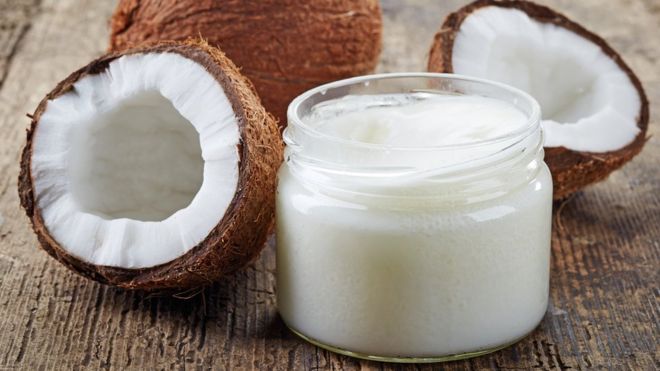
News Alert - Coconut Oil As Unhealthy As Beef Fat And Butter'

Coconut oilCoconut oil is as unhealthy as beef dripping and butter, say US heart experts.
It is packed with saturated fat which can raise "bad" cholesterol, says the American Heart Association in updated advice.
Coconut oil is commonly sold as a health food and some claim the fat in it may be better for us than other saturated fats.
The AHA, however, says there are no good studies to support this.

Healthy myth?

The advice around which fats to eat can be very confusing.
Animal fats, such as lard, are generally seen as bad, while plant oils, such as olive and sunflower, are seen as healthier options.
That theory is based on how much of one particular type of fat - saturated fat or "sat fat" - these products contain.

Sat fat

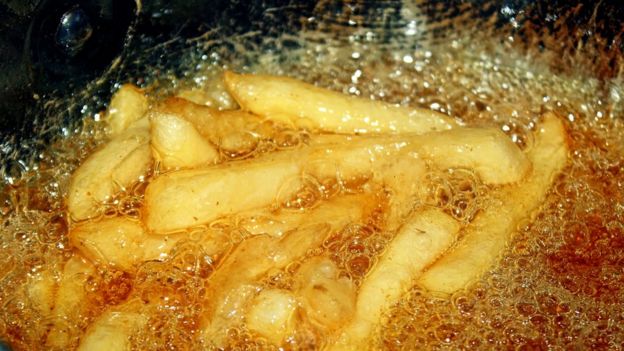
chip pan oilSaturated fat is said to be bad for our health, although not everyone agrees.
Eating a diet high in saturated fat can raise the level of "bad" (LDL) cholesterol in the blood, which, in turn, may clog the arteries and increase the risk of heart disease and stroke.
According to the AHA, 82% of the fat in coconut oil is saturated. That's more than in butter (63%), beef fat (50%) and pork lard (39%). And, like other saturated fats, studies show it can increase "bad" cholesterol.
Some claim that the mixture of fats in coconut oil still make it a healthy option, but the AHA says there is no good-quality evidence for this.
It says people should limit how much saturated fat they eat, replacing some of it with unsaturated vegetable oils - olive oil and sunflower oil, and their spreads.

Healthy swaps

According to the AHA, studies show swaps such as this can lower cholesterol by the same magnitude as cholesterol-lowering drugs.
Dr Frank Sacks, lead author of the AHA advice, said: "We want to set the record straight on why well-conducted scientific research overwhelmingly supports limiting saturated fat in the diet to prevent diseases of the heart and blood vessels."
In the UK, Public Health England advises people to cut down on saturated fat:
  • the average man should eat no more than 30g of saturated fat a day
  • the average woman should eat no more than 20g of saturated fat a day
Nutritional labels on food display how much saturated fat is in products.
But experts stress that fat is still an essential part of a healthy, balanced diet. We shouldn't cut out too much. Fat is a source of essential fatty acids and helps the body absorb vitamins, such as A, D and E.
Victoria Taylor from the British Heart Foundation said: "To eat well for your heart health it is not just about reducing fat but reducing specific types of fat and taking care over what these are replaced with - unsaturated fats and wholegrains, rather than sugars and refined carbohydrates. 

"Any change should be viewed in the context of a whole diet approach. The traditional Mediterranean diet has benefits for a range of risk factors for heart disease, not just cholesterol levels.

"We recommend replacing the saturated fats in the diet with unsaturated fats - using oils instead of butter and choosing foods like avocado, oily fish, nuts and seeds instead of foods high in saturated fats like cakes, biscuits, chocolate and fatty meat."

Low fat tips

  • Grill, bake, poach or steam food rather than deep frying or roasting
  • Trim visible fat and take skin off meat before cooking
  • Spoon off fats and oils from roasts, casseroles, stews and curries
  • When making sandwiches, try leaving out the butter or spread: you might not need it if you're using a moist filling

Good fat vs bad fat

  • Cholesterol is a fatty substance that can be found in some foods
  • Low-density lipoprotein (LDL) cholesterol is said to be 'bad' because it can be deposited in the walls of arteries and cause hard plaques to build up that can cause blockages, resulting in heart attacks and stroke
  • High-density lipoprotein (HDL) cholesterol is 'good' because it carries LDL cholesterol to your liver where it is disposed of. A high ratio of good to bad cholesterol is healthiest
Source:

Weight loss diet: Five vitamins and minerals that slash fat and build muscle

IF YOU want to get ripped make sure you include these five nutrients in your diet. Eating healthy foods and exercising is the bes...